


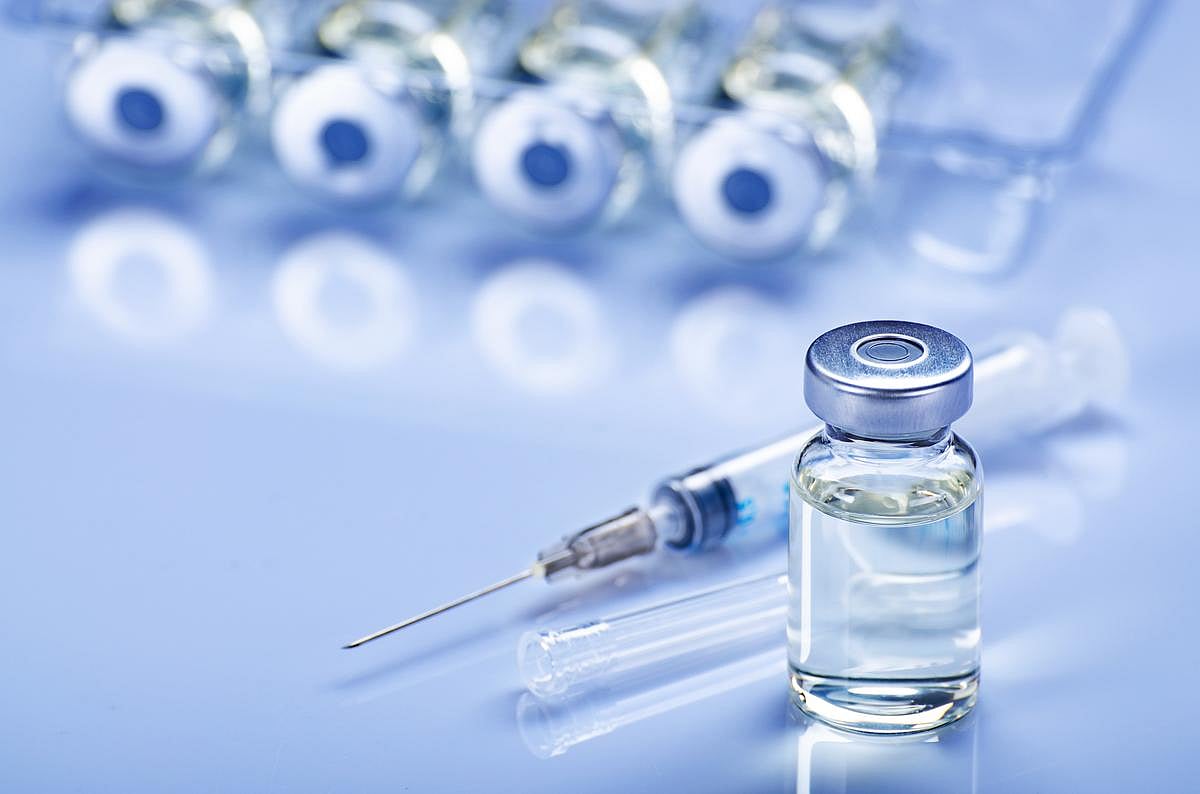
 MONDAY, Aug. 10, 2026 (HealthDay News) — Federal regulators have granted accelerated approval to a novel therapy for advanced melanoma — giving doctors another weapon to fight this challenging skin […]
MONDAY, Aug. 10, 2026 (HealthDay News) — Federal regulators have granted accelerated approval to a novel therapy for advanced melanoma — giving doctors another weapon to fight this challenging skin cancer.
Tudriqev is an oncolytic viral therapy, which means it is a virus that targets cancer cells. For this new targeted therapy, scientists trained the herpes simplex virus to multiply in melanoma cells, killing tumor cells from the inside. Destroying the cancer cells can also stimulate the person’s immune system to find and attack the remaining tumor cells.
This one-two punch helped shrink melanoma tumors in some clinical study participants, according to the U.S. Food and Drug Administration (FDA).
Tudriqev is an option for adult patients whose melanoma can’t be removed completely with surgery and isn’t responding to the standard immunotherapy drugs used to treat advanced disease.
The injection is approved as a part of a combination therapy. Patients also take a standard immunotherapy infusion, to strengthen the immune response against cancer cells.
The new therapy is injected directly into the tumor once every two weeks. Beginning in the third week of therapy, infusions of the immunotherapy drug nivolumab are also given, according to the FDA.
The approval marks a major milestone for patients with limited options when standard immunotherapy, called programmed death receptor-1 (PD-1) blocking therapy, stops working on its own.
“For patients with advanced melanoma that has stopped responding to PD-1 blocking therapy, the prognosis is often devastating, and options have been far too limited,” Karim Mikhail, acting director of the FDA’s Center for Biologics Evaluation and Research, said in a news release. “Today’s important milestone gives oncologists a meaningful new tool — and more patients a fighting chance.”
An FDA advisory committee voted 10 to 3 last week in favor of accelerated approval.
The FDA approval follows a tumultuous review process that began last year, with several current and former FDA officials expressing concern about clinical trial data and if Tudriqev worked, according to STAT.
It was rejected again in April.
Regulators took a third look at the data and heard from patients with melanoma at a July 30 meeting.
Among 91 patients in the trial, 24% had tumors shrink, what researchers call an “objective response,” after the new therapy.
Some patients responded to the therapy for more than a year. The median response time was 14.1 months. This means half of the patients responded for a longer time, and half for a shorter time.
To maintain approval status, Replimune Inc., the drug developer, must conduct post-approval research trials to verify clinical benefits and report that information to the FDA.
Patients in the study reported fatigue, fever, infections, chills, musculoskeletal pain, nausea, diarrhea, headache, cough, influenza-like illness, rash, vomiting, itching, joint pain, constipation, decreased appetite, dizziness, shortness of breath, bleeding, swelling, abdominal pain and localized injection site reactions.
Safety warnings include the risk of accidentally spreading herpes infection to close contacts and the possibility of a herpes infection developing or reactivating in the patient, according to the FDA.
The therapy will carry a list price of $450,000 per treatment course (prior to discounts and rebates). Financial navigators at major oncology centers can help patients determine the out-of-pocket cost after aid programs and insurance coverage.
More information
Visit the National Cancer Institute for more information on melanoma stages and treatment.
SOURCES: U.S. Food and Drug Administration, Aug. 6, 2026; STAT, Aug. 6, 2026
 Patient Education Increases Skin Cancer Screening in Stem Cell Transplant Survivors
  1 in 3 Women and 1 in 4 Men Engage in Intentional Outdoor Tanning
  Melanoma Incidence and Deaths Disproportionately Impact Men
 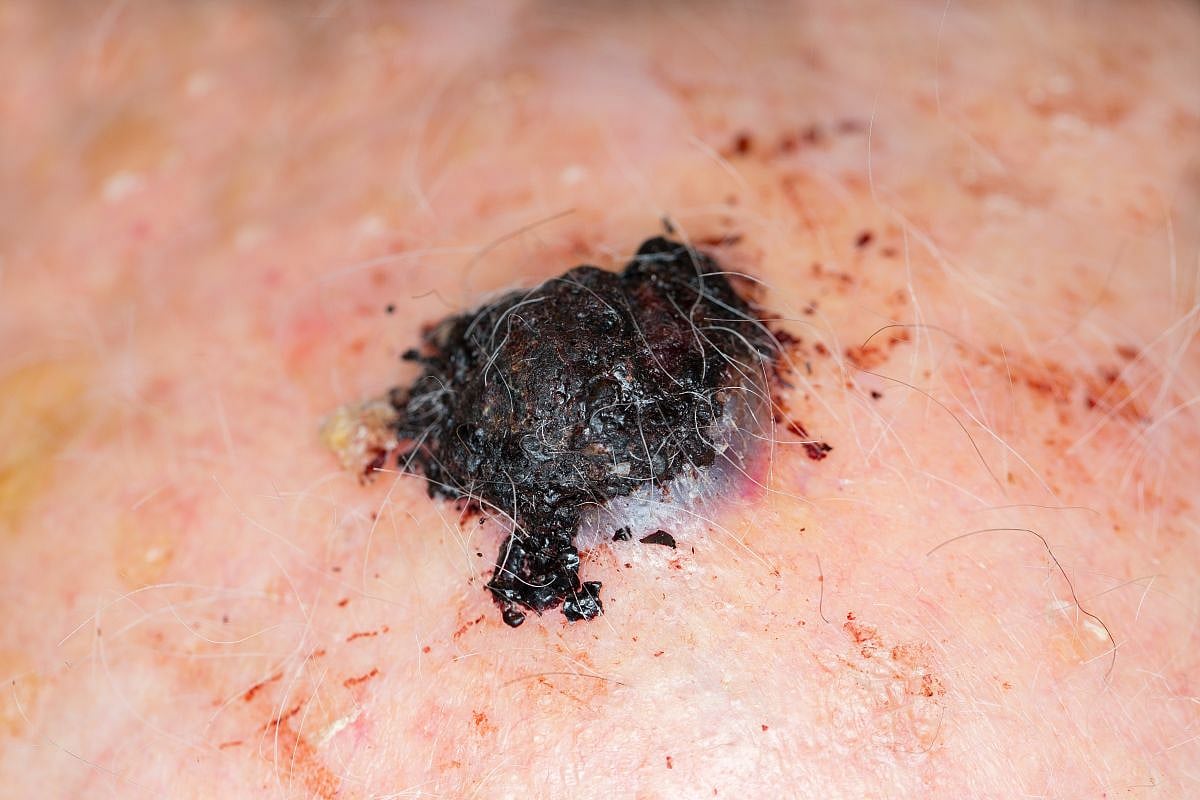 Deep Learning Ensemble Shows Potential for Identifying Melanoma
  Urine Cell-Free RNA Shows Promise as Biomarker for Bladder Cancer
  Genomic Newborn Screening Could ID Cancer Predisposition Syndrome
  Female Emergency Medicine Physicians Order More Tests, Admit More Patients
  Greater Physician Knowledge Linked to Lower Use of Low-Value Services


.jpg)

