


 No significant improvements in mean visual analogue scale scores on complaints, disability
FRIDAY, Sept. 16, 2016 (HealthDay News) — For patients with chronic chilblains, nifedipine is not superior to placebo, according to a study published in the September/October issue of the Annals of Family Medicine.
Ibo H. Souwer, M.D., from the Radboud University Medical Center in the Netherlands, and colleagues conducted a randomized trial involving 32 patients with chronic chilblains. Participants were randomized to nifedipine (30 mg controlled release twice daily) or placebo.
After six weeks of treatment, the researchers found that in mean scores on the visual analogue scale on complaints, there was a nonsignificant difference of 1.84 mm in favor of nifedipine. There was a nonsignificant difference of 0.56 mm in favor of placebo in mean scores on the visual analogue scale on disability. No carry-over effect was seen from prior study treatment. There was a correlation for nifedipine with significantly lower systolic blood pressure and a significantly higher incidence of edema.
“In our study, nifedipine was not superior to placebo for treating chronic chilblains,” the authors write. “These findings contrast with those of the older study and do not support routine use of nifedipine for this condition.”
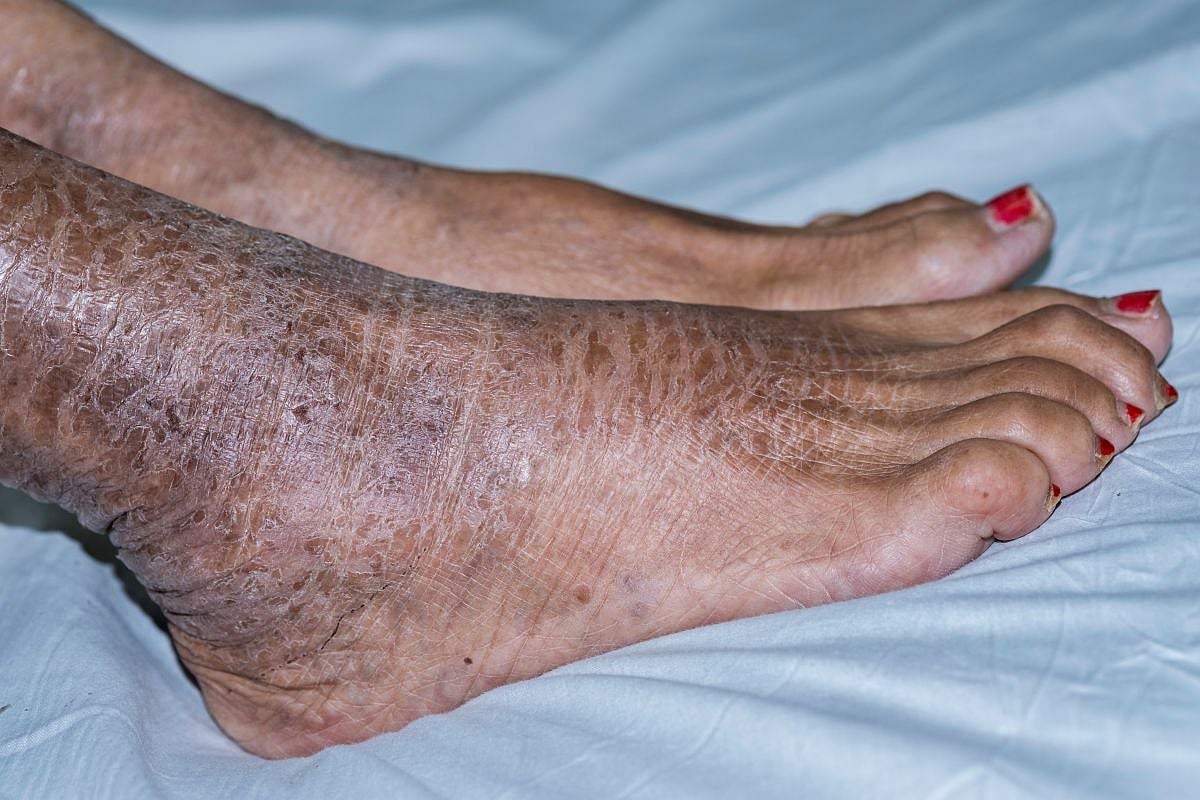 Congenital Ichthyosis Linked to Allergic Disorders
  Distinct Skin Microbiome Features Emerge Before Atopic Disease Onset in Infants
  Freshwater Swimming Tied to Stomach Bugs, Skin Conditions
  Considerable Global Disparities Found in Access to Dermatological Care
  Hydrogel-Based Dermal Regenerative Template Shows Promise in Wound Reconstruction
  Extreme Heat Linked to 33 Clinically Reportable Diagnoses
 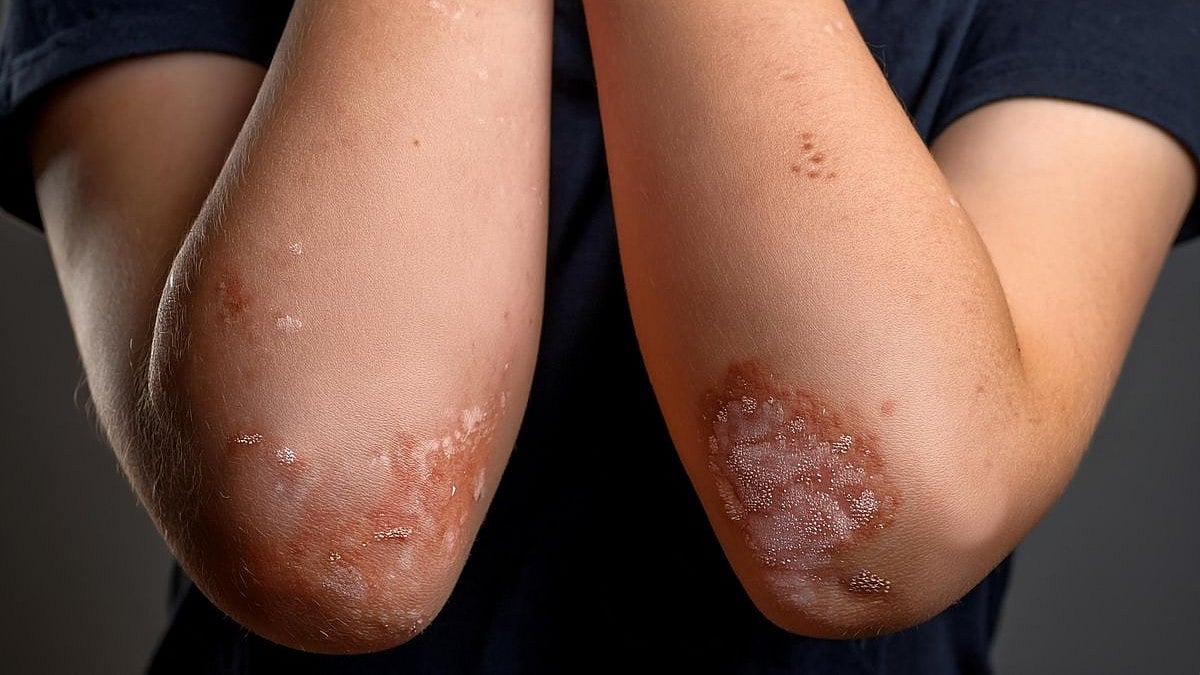 Psoriasis Linked to Impairment of Some Sleep Domains
  Collagen Supplements Beneficial for Dermal, Bone, Musculoskeletal Health


.jpg)

