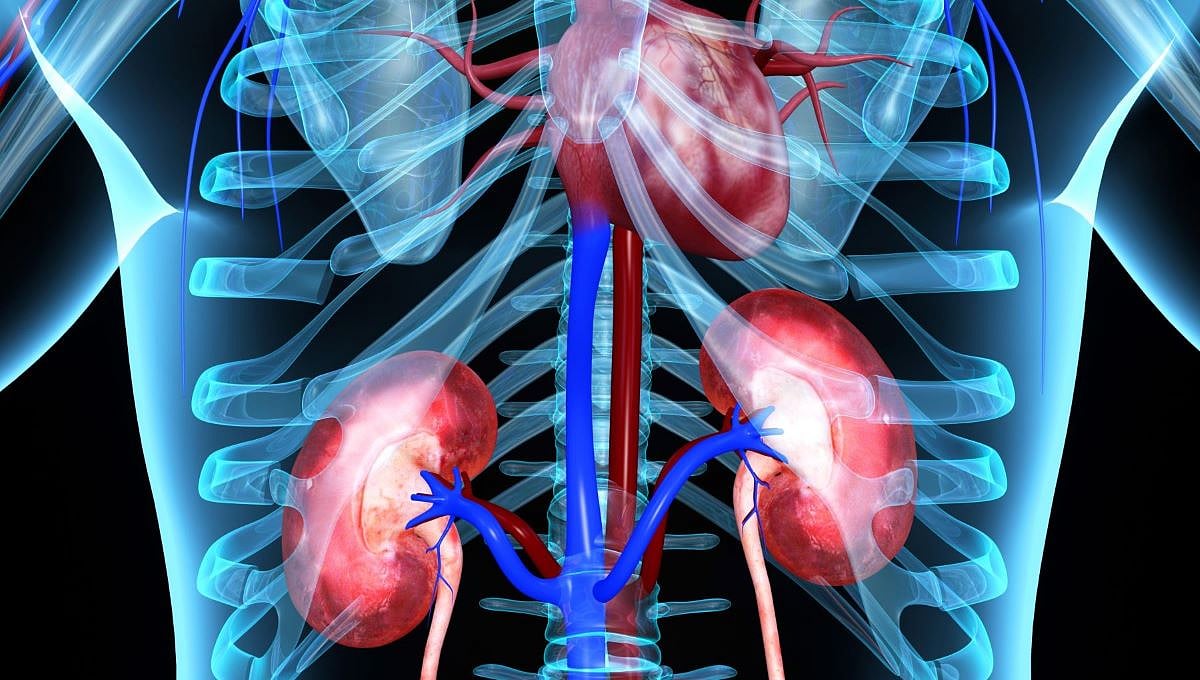
Author says long periods of fasting before surgery may not be necessary
WEDNESDAY, July 2, 2025 (HealthDay News) — For patients undergoing surgical procedures, there is no association between liberal preprocedural fasting policies and witnessed aspiration, according to a systematic review and meta-analysis published in the August issue of Surgery.
Stephanie Lam, D.O., from the UCLA School of Medicine in Los Angeles, and colleagues reviewed randomized clinical trials comparing outcomes from preprocedural fasting regimens and observational studies of witnessed aspiration events. Clinical aspiration was the main primary outcome. Seventeen studies were included in the analyses, nine of which reported outcomes for aspiration events.
The researchers found that the various preprocedural fasting regimens did not affect clinical aspiration, with an odds ratio for aspiration events of 1.17 (95 percent confidence interval, 0.32 to 4.23). Aspiration occurred rarely (four of 801 patients in experimental groups and seven of 990 patients in control groups [incidence, 0.50 and 0.71 percent, respectively]). There was little likelihood of finding a significant effect of new fasting regimens on aspiration. The surrogate outcomes of gastric volume and/or pH for aspiration were not associated with human anesthesia-related aspiration.
“Fasting for long periods of time is extremely uncomfortable and patients really don”t like to do it,” senior author Edward H. Livingston, M.D., also from the UCLA School of Medicine, said in a statement. “Our research suggests that long periods of fasting may not be necessary.”
Abstract/Full Text (subscription or payment may be required)
 Adenotonsillectomy Tied to Increase in Respiratory Tract Infections in Children
  Fractional Exhaled Nitric Oxide Elevated in Pediatric Chest Tightness Variant Asthma
  Robotic Arm-Assisted TKR Offers Similar Outcome to Conventional TKR
  Preoperative Chemo + Immunotherapy Combo Shrinks Head, Neck Cancer Tumors
  Thymic Radiation Linked to Worse Outcomes in Patients With NSCLC
  Aircrew Face Higher Odds of Radiation-Related Cancer Deaths
  Safety Intervention Reduces Incidence of Postoperative Endophthalmitis
  Couples" Coping Skills Help Reduce Depression in GI Cancer Survivors