


Normal-appearing skin is type I interferon-rich environment; interferon-induced gene expression changes seen in all major skin type cells
TUESDAY, May 10, 2022 (HealthDay News) — For patients with cutaneous lupus erythematosus (CLE), normal-appearing skin is a type I interferon-rich, prelesional environment, according to a study published in the April 27 issue of Science Translational Medicine.
Allison C. Billi, M.D., Ph.D., from the University of Michigan in Ann Arbor, and colleagues analyzed normal-appearing skin, lesional skin, and circulating immune cells from lupus patients via integrated single-cell RNA sequencing and spatial RNA sequencing to examine CLE immunopathogenesis.
The researchers found that in patients with lupus, normal-appearing skin represented a type I interferon-rich, prelesional environment. Interferon-induced gene expression changes were seen in all major skin cell types and altered predicted cell-cell communication networks. In addition, lupus-enriched CD16+ dendritic cells underwent interferon education in the skin, yielding proinflammatory phenotypes.
“These interferon-educated immune cells seem to be priming many different cell types in the skin to overreact to stimuli with excessive inflammatory responses, manifesting as disfiguring skin lesions,” Billi said in a statement. “We don’t yet know all of the stimuli that can tip the balance and precipitate these rashes, but ultraviolet light certainly appears to be one of them.”
Several authors disclosed financial ties to the biopharmaceutical industry.
 1 in 3 With Lupus Take Supplements, Medications With Potential for Interactions
  Low Hydroxychloroquine Intake, Blood Levels Linked to ASCVD Risk in Lupus
 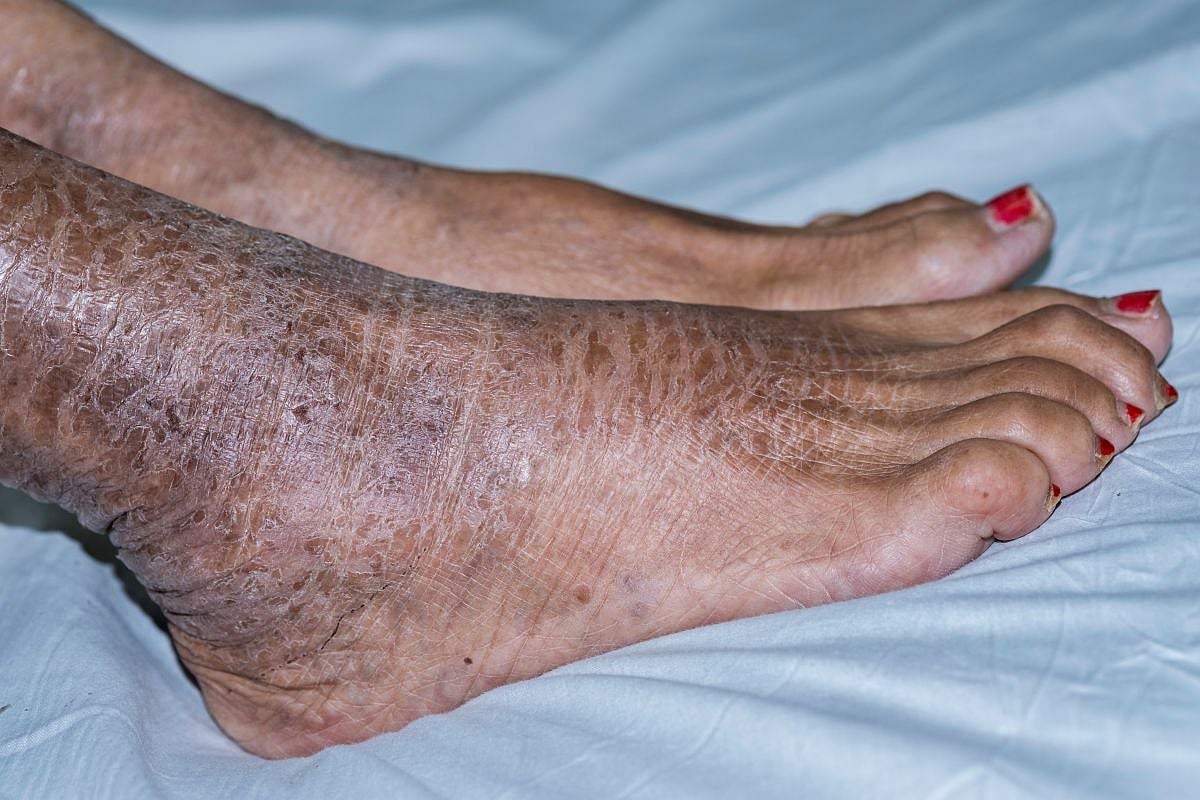 Congenital Ichthyosis Linked to Allergic Disorders
  Anifrolumab Tied to Lower Hospitalization, Infection Risk in Lupus
  Drug Interactions Reducing Contraceptive Effectiveness Common in Epilepsy
 .jpg) Most Specialty Oral Anticancer Meds for Blood Cancers Are Initially Rejected by Insurers
Most Specialty Oral Anticancer Meds for Blood Cancers Are Initially Rejected by Insurers  Holding DMARDs at Time of COVID-19 Vaccine Not Warranted in Those With Inflammatory Arthritis
  2013 to 2024 Saw Decrease in Benzodiazepine Prescribing


