


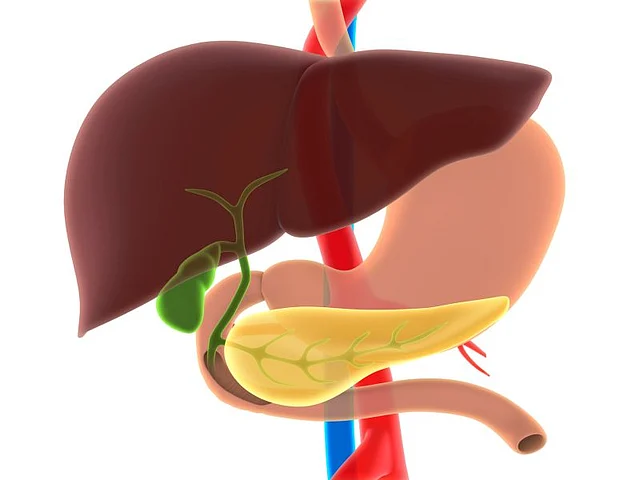
Phase 2 randomized trial revealed similar overall survival for two active regimens compared with adjuvant therapy
TUESDAY, Feb. 2, 2021 (HealthDay News) — Perioperative chemotherapy for resectable pancreatic cancer is safe and effective, but it did not improve overall survival (OS) compared with historical data from trials of adjuvant therapy, according to a study published online Jan. 21 in JAMA Oncology.
Davendra P. S. Sohal, M.D., from the University of Cincinnati, and colleagues assessed two-year OS using perioperative chemotherapy for resectable pancreatic ductal adenocarcinoma. The analysis included 102 patients randomly assigned to perioperative chemotherapy (12 weeks preoperative, 12 weeks postoperative) with either fluorouracil, irinotecan, and oxaliplatin (arm 1; 55 patients) or gemcitabine/nab-paclitaxel (arm 2; 47 patients).
The researchers report that 84 percent of patients in arm 1 and 85 percent in arm 2 completed preoperative chemotherapy; 73 and 70 percent, respectively, underwent resection; and 49 and 40 percent, respectively, completed all treatment. Expected hematologic toxic effects, fatigue, and gastrointestinal toxicities were seen. In arm 1, two-year OS was 47 percent compared with 48 percent in arm 2. Median OS was 23.2 and 23.6 months, respectively, with neither arm achieving a two-year OS estimate that was significantly higher than the a priori threshold of 40 percent. After resection, median disease-free survival was 10.9 months in arm 1 and 14.2 months in arm 2.
“We demonstrate the feasibility of multidisciplinary treatment using perioperative chemotherapy for patients with resectable pancreatic cancer,” the authors write.
Several authors disclosed financial ties to the pharmaceutical industry.
Abstract/Full Text (subscription or payment may be required)
 Implant, Patient Survival Do Not Differ for Robotic and Conventional Total Joint Replacement
 Physical Therapist-Supervised Exercise Improves Outcomes After ACL Reconstruction
 Early Complications Common in Older Kidney Transplant Recipients
 PET/MRI Offers Diagnostic, Prognostic Value in Pediatric Epilepsy
 Drug Interactions Reducing Contraceptive Effectiveness Common in Epilepsy
 Pre-Prostate Biopsy MRI Use Increased From 2017 to 2026
 Frequent Cannabis Use Linked to Epilepsy Severity
 Less Intraoperative Crystalloid Fluid Not Tied to Worse Surgical Outcomes



.jpg)
