


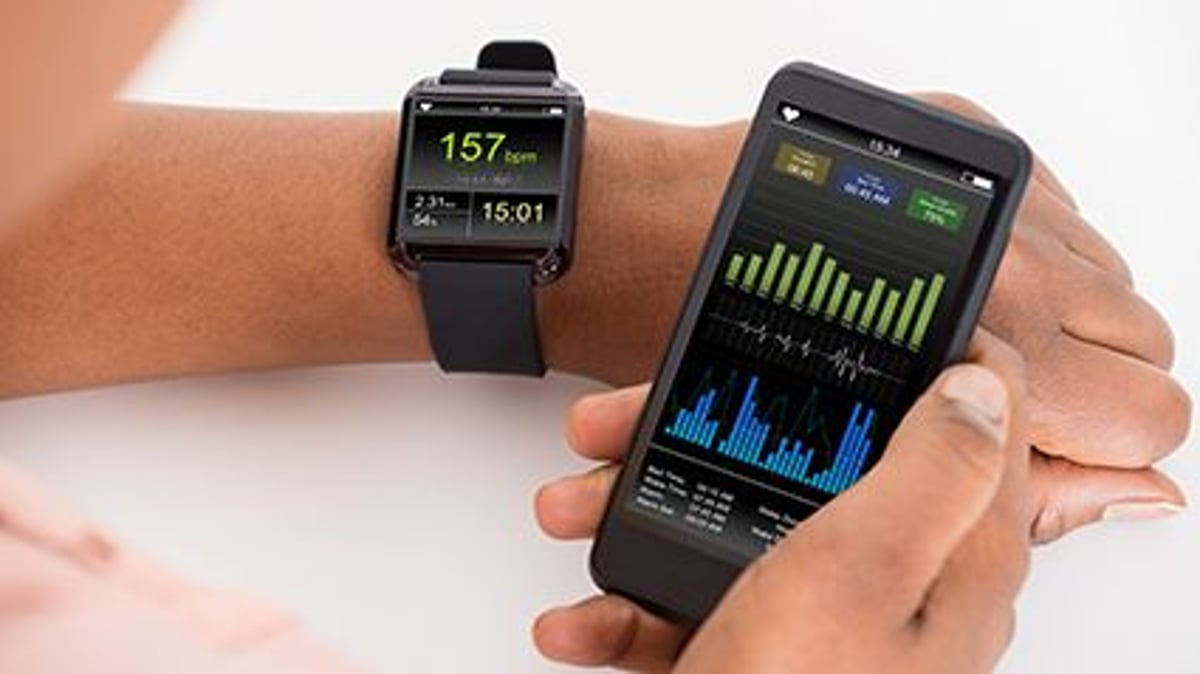
However, despite increased physical activity, no significant effect seen on sedentary time
MONDAY, Jan. 31, 2022 (HealthDay News) — Physical activity monitor (PAM)-based interventions are safe and effectively increase physical activity and moderate-to-vigorous physical activity, according to a systematic review and meta-analysis published online Jan. 26 in The BMJ.
Rasmus Tolstrup Larsen, from the University of Copenhagen in Denmark, and colleagues conducted a systematic literature review to identify randomized controlled trials comparing interventions in which adults received feedback from PAMs with control interventions in which no feedback was provided.
Based on 121 trials (16,743 participants), the researchers found that PAM-based interventions showed a moderate effect (standardized mean difference [SMD], 0.42) on physical activity, equivalent to 1,235 daily steps. Furthermore, PAM had a small effect (SMD, 0.23) on moderate-to-vigorous physical activity, equivalent to 48.5 weekly minutes. However, the effect of PAM on sedentary time, equal to 9.9 daily minutes, was insignificant.
“This study provides evidence for using physical activity monitors for enhancing physical activity and moderate-to-vigorous physical activity,” the authors write. “Large scale studies and studies investigating sedentary time in general, especially among overweight participants, are needed to clarify evidence gaps identified here.”
 Air Pollution Does Not Impair Benefits of Walking in Reducing COPD Exacerbation Rate
  Physical Activity Linked to Slower Cognitive, Motor Progression in Parkinson Disease
  Gap Found Between Awareness of Breast Cancer Risk and Risk-Reducing Behavior
  Financial Incentives Boost Tobacco Abstinence in Underserved Adults
  2016 to 2024 Saw Increase in Patients Using Medical Cannabis
  ED Visits for Gambling Disorder Spike After Canada Liberalizes Online Gambling
  Aerobic Training, Behavioral Interventions Both Clinically Improve Asthma Control
  Social Media Warnings Could Discourage Use Among Teens, Young Adults


.jpg)

