Authors say widely available foods like tea, coffee, berries, olive oil, nuts, and whole grains may be a practical way to improve long-term cardiovascular disease risk
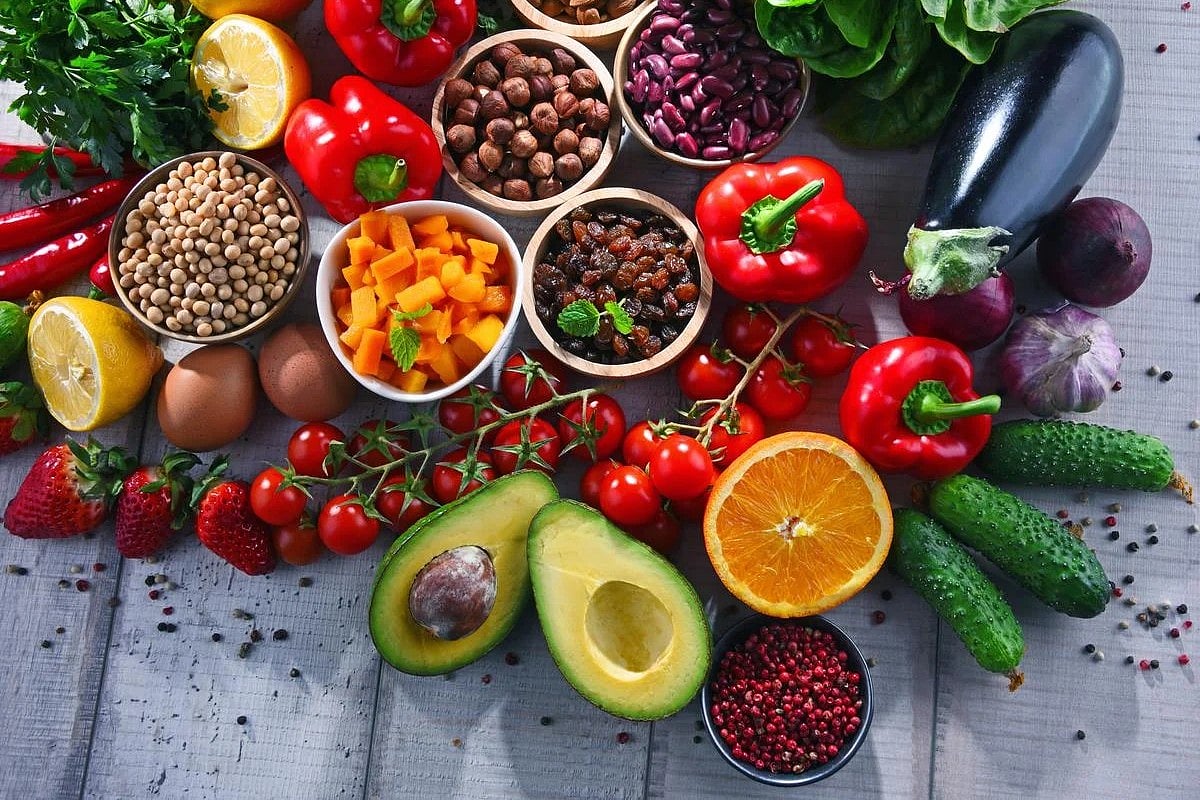
FRIDAY, Dec. 5, 2025 (HealthDay News) — Regular consumption of polyphenol-rich foods and drinks, such as tea, coffee, berries, cocoa, nuts, and whole grains, is associated with better long-term cardiovascular health, according to a study published online Nov. 26 in BMC Medicine.
Yong Li, from King”s College London, and colleagues examined associations between a polyphenol-rich dietary score (PPS-D; including tea and coffee to berries, olive oil, nuts, and whole grains), its urinary metabolic signature (PPS-M), and longitudinal cardiovascular disease (CVD) risk. Analysis included 3,110 participants in the TwinsUK cohort followed for 11.2 years.
The researchers observed a negative association between PPS-D and atherosclerotic CVD risk score and HeartScore. In the subgroup of 200 participants with urinary metabolites, significant associations were partially replicated for the metabolites of flavonoids, phenolic acids, and tyrosols that were significantly negatively associated with the atherosclerotic CVD risk score, HeartScore, and diastolic blood pressure. Additionally, they were positively associated with high-density lipoprotein cholesterol. Higher PPS-M was correlated with elevated high-density lipoprotein cholesterol and lower blood pressure, atherosclerotic CVD risk score, and HeartScore.
“This research provides strong evidence that regularly including polyphenol-rich foods in your diet is a simple and effective way to support heart health,” Li said in a statement. “These plant compounds are widely available in everyday foods, making this a practical strategy for most people.”
 Add-On Tirzepatide May Reduce MACE Risk in People With T2D, ASCVD
  Considerable Gaps Identified in LDL Cholesterol Control
  Link Between Liver Fibrosis in MASLD, ASCVD Varies by Glycemic Status
  Cardiovascular Risk Factors Linked to Increased Plaque Burden
  Machine Learning LDL-C Equation Comparable to Original Martin-Hopkins
  87.5 Million U.S. Adults Now Eligible for Statins Under New Guidelines
  Nighttime Road Traffic Noise Tied to Higher Cholesterol, Blood Lipid Levels
  Differences in Cardiovascular Risk Factor Prevalence ID"d for South Asian Adults