


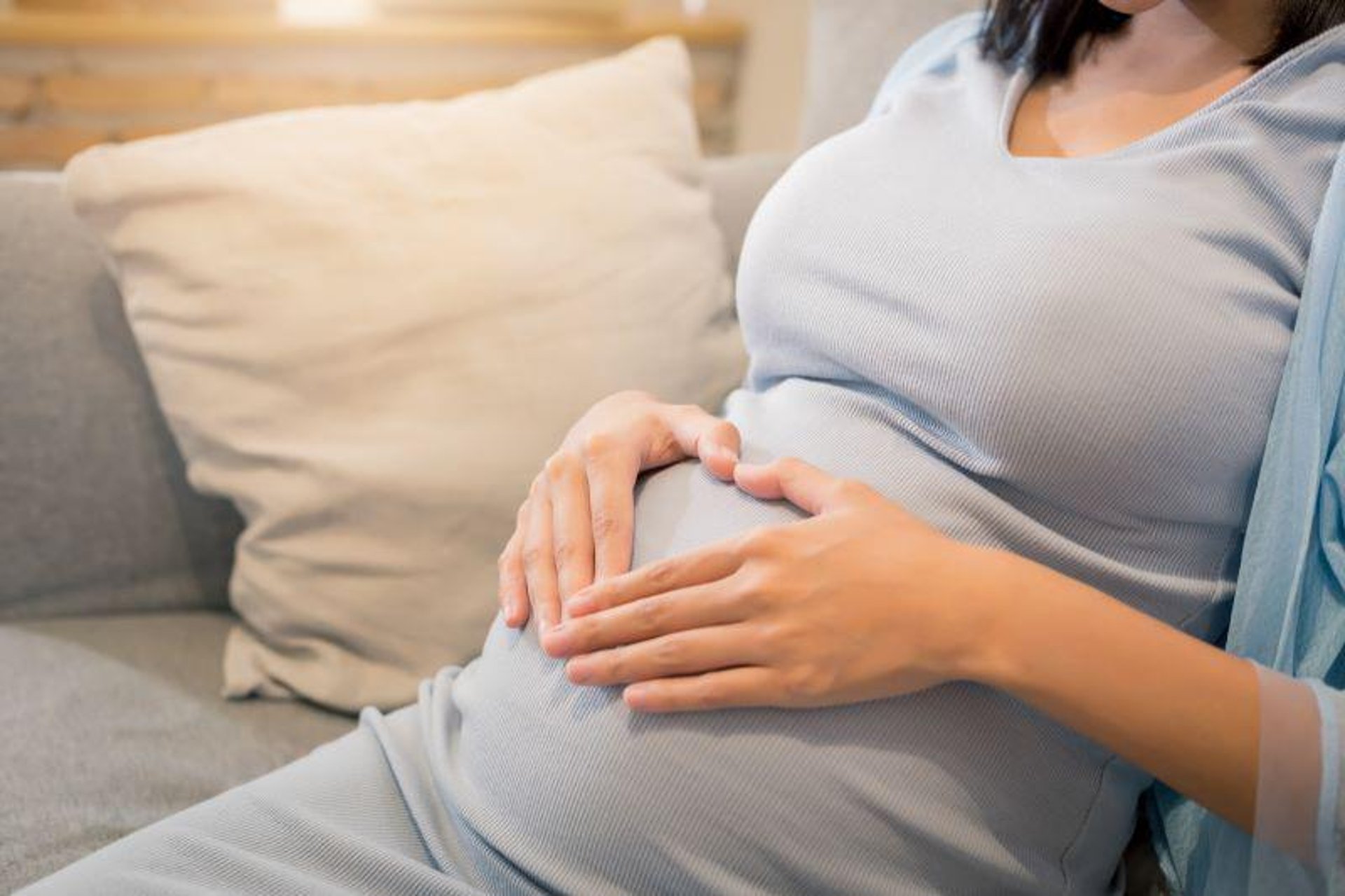
Findings pronounced for mothers experiencing higher perceived stress during the prenatal period
WEDNESDAY, Nov. 2, 2022 (HealthDay News) — Exposure to particulate matter (PM2.5, PM10) and nitrogen dioxide (NO2) in early pregnancy to midpregnancy is significantly associated with lower birth weight, according to a study published online Oct. 25 in JAMA Network Open.
Zhongzheng Niu, Ph.D., from the University of Southern California in Los Angeles, and colleagues examined the association of sensitive windows of ambient air pollution exposure with birth weight and heterogeneity by individual- and neighborhood-level stressors. The analysis included 628 low-income, Hispanic women with singleton-term pregnancy (2015 to 2021) and their newborns.
The researchers found that on average, an interquartile range increase in PM2.5 exposure during four to 22 gestational weeks was associated with a −9.5-g change in birth weight. In the subgroup with high Perceived Stress Scale and high CalEnviroScreen 4.0 scores, PM2.5 from four to 24 gestational weeks was associated with a −34.0-g change in birth weight and PM10 from nine to 14 gestational weeks was associated with a −39.4-g change in birth weight. Similarly, among high-stress women, NO2 from nine to 14 gestational weeks was associated with a −40.4-g change in birth weight, and from 33 to 36 gestational weeks, it was associated with a −117.6-g change in birth weight. Preconception air pollutants or ozone exposure were not found to be associated with birth weight.
“The findings of this study suggest that protecting women who are pregnant from air pollution may improve birth weight, particularly among mothers with high levels of psychological stress or environmental pollution,” the authors write.
 Air Pollution Does Not Impair Benefits of Walking in Reducing COPD Exacerbation Rate
  Low Levels of Placental Growth Factor in Pregnancy Linked to Subsequent ADHD in Offspring
  Recommendations Issued for Use of Incretin-Based Meds in Pregnancy
  IBD Not Linked to Risk for Hypertensive Disorders of Pregnancy Overall
 .jpg) Pregnancy Complications Linked to Subsequent Risk for Cardiometabolic-Renal Conditions
Pregnancy Complications Linked to Subsequent Risk for Cardiometabolic-Renal Conditions  Isometric Exercise Training Three Times a Week Preserves Cardiovascular Benefits
  Serum 25(OH)D May Serve as Biomarker of Disease Activity in IBD
  Maternal Vitamin D Status Linked to Preterm Delivery


.jpg)

