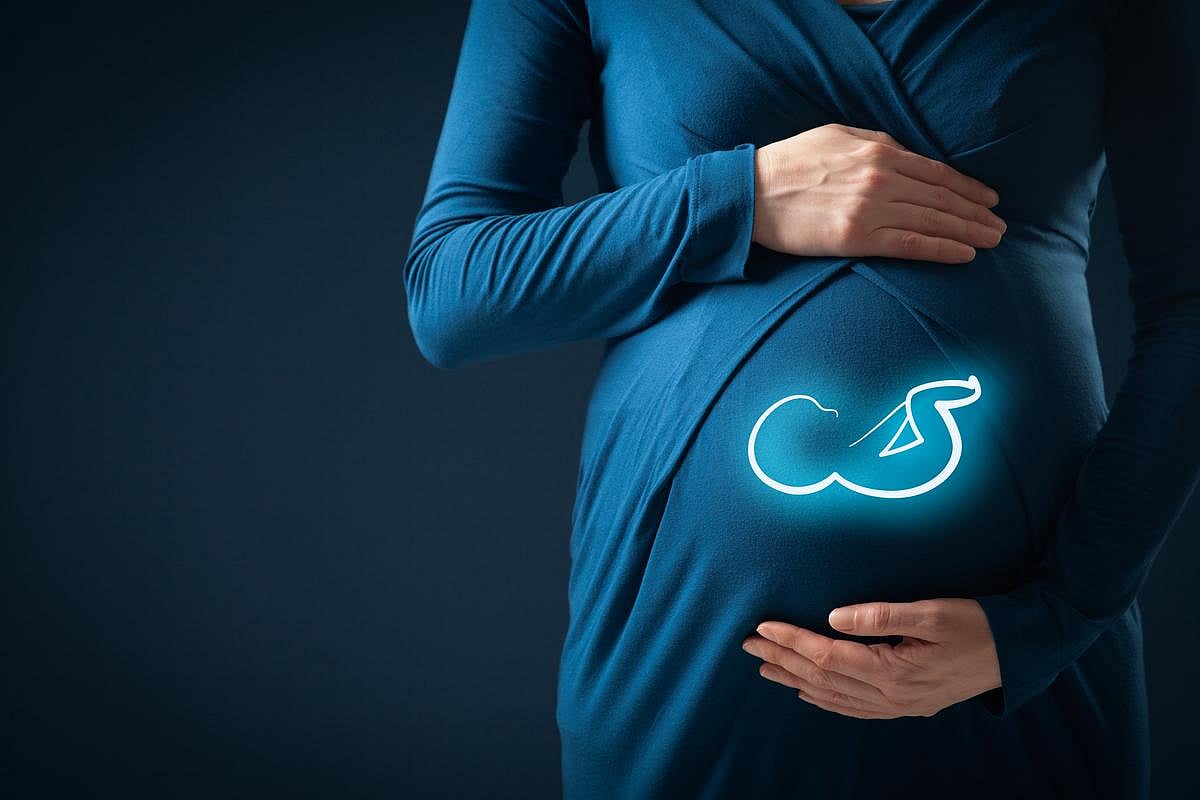
26.6 percent undergoing unscheduled C-section reported clinical stress, with higher rates for cesarean performed during labor
THURSDAY, Jan. 22, 2026 (HealthDay News) — A considerable proportion of women undergoing unscheduled cesarean delivery experience significant psychological distress, according to a study published online Jan. 15 in Pregnancy.
Hadas Allouche-Kam, M.D., from Massachusetts General Hospital in Boston, and colleagues examined the rates and nature of peritraumatic stress reactions during and shortly after unscheduled cesarean delivery and examined whether acute stress predicts later mental health symptoms among 1,146 patients receiving routine perinatal care at a single tertiary, urban hospital. At approximately 1.9 months postpartum, a subgroup (795 participants) completed an assessment.
Overall, 10.4 percent of participants met the criteria for clinical acute stress (Peritraumatic Distress Inventory ≥15). The researchers found that 26.6 percent of women undergoing unscheduled cesarean reported clinical stress, with higher rates for cesarean performed during labor (29.3 percent) and in those with greater obstetric morbidity. Unscheduled cesarean delivery was associated with a fourfold increased risk for acute stress compared with vaginal delivery (26.6 versus 6.3 percent; relative risk, 4.20). Unscheduled cesarean section remained associated with increased risk after adjustment for the confounding variables. Among patients undergoing unscheduled cesarean, stress levels were persistently elevated over time, while vaginal delivery was associated with a significant symptom reduction. Subsequent posttraumatic stress disorder, depressive symptoms, and maternal-infant bonding difficulties were strongly predicted by acute responses.
“While most patients are resilient and won”t have a stress response, we want to make sure that people who are struggling get the resources they need,” lead author Sharon Dekel, Ph.D., also from Massachusetts General Hospital, said in a statement.
 Socioeconomic Status Linked to Mortality After Acute Hip Fracture Surgery
  Altered Markers of Ovarian Development Seen With Fetal Acetaminophen Exposure
  Air Pollution Tied to Higher Risk for Suicide
  Psychiatrists Only Agree 55 Percent of the Time on Diagnoses
  Nighttime Light Exposure Linked to Sleep Parameters in Schizophrenia
  2021 to 2026 Saw Increase in State Funding for Suicide Prevention
  Screening + Online Cognitive Behavioral Therapy Program Aids Nurses" Mental Health
  Dementia, Stroke Risk Elevated for Those With Severe Mental Illness
.jpg)