


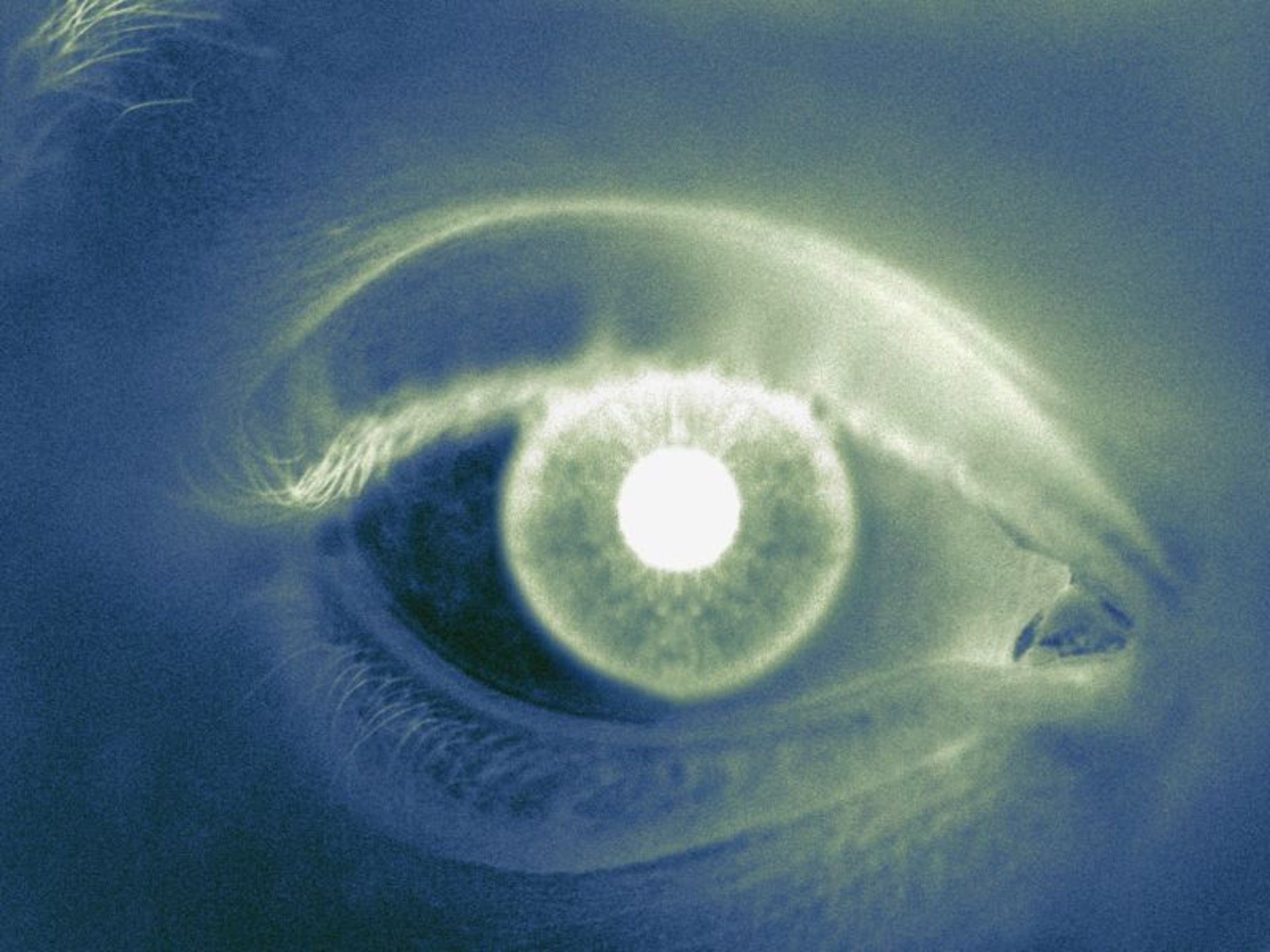
 Study shows pupil area adds prognostic information to the Seattle Heart Failure Score
THURSDAY, Aug. 13, 2020 (HealthDay News) — Pupil area is an independent predictor of all-cause mortality and readmission due to heart failure, according to a study published online Aug. 10 in the European Journal of Heart Failure.
Kohei Nozaki, from Kitasato University Hospital in Kanagawa, Japan, and colleagues examined whether pupil area can be used as a prognostic indicator in 870 consecutive hospitalized patients with heart failure (mean age, 67.0 years; 37.0 percent women).
The researchers found that during a median follow-up of 1.9 years, 131 patients died and 328 patients were readmitted because of heart failure. Pupil area was shown to be independently associated with all-cause mortality (hazard ratio, 0.72) and readmission due to heart failure (hazard ratio, 0.82) after adjustment for preexisting prognostic factors, including the Seattle Heart Failure Score (SHFS). The area under the receiver operating characteristic curve was significantly increased for all-cause mortality (0.69 versus 0.72, respectively) with the addition of pupil area to the SHFS.
“Pupil area can be obtained rapidly, easily, and noninvasively. Our study indicates that it could be used in daily clinical practice to predict prognosis in patients with heart failure, including those who also have atrial fibrillation,” Nozaki said in a statement. “Patients with a small pupil area (e.g., less than 16.6 mm²) could be prioritized for cardiac rehabilitation with physical activity, which has been reported to improve autonomic function.”
 Elevated C-Reactive Protein Linked to Increased Risk for Incident Heart Failure, All-Cause Mortality
  UACR, UPCR Provide Indistinguishable Prognostic Information in CKD
  Use of SAMA, SABA Linked to Cardiovascular Events, Mortality in Asthma, COPD
  Virtual Reality-Based Digital Defocus Vision Training May Aid Myopia in Children
  Better Youth Fitness May Lower Risk for Depression in Adulthood
  Autism Spectrum Disorder Diagnoses Increased for Females Since 2020
  Highly Aspherical Lenslets Effective for Reducing Myopia Progression in Children
  Internet-Based Cognitive-Behavioral Therapy Aids Children"s Anxiety Symptoms


.jpg)

