


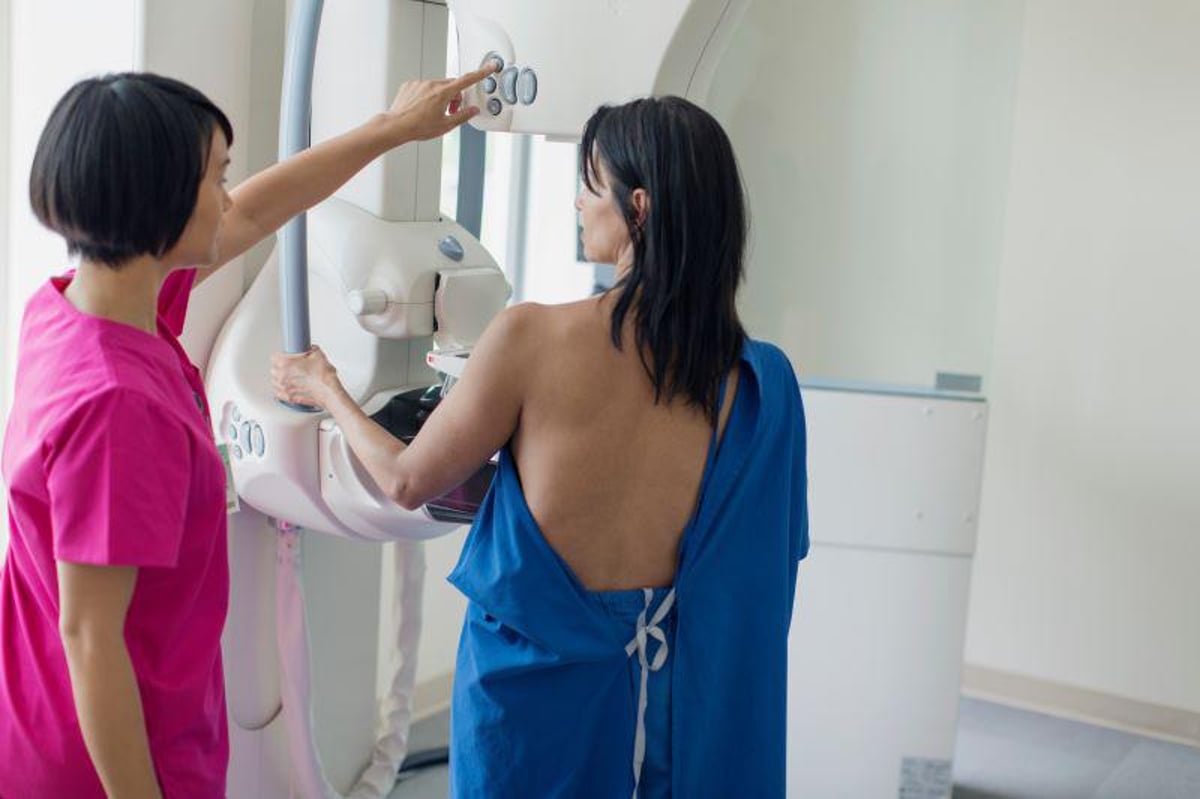
Cancer detection rate, recall rate, and positive predictive value similar for radiologists, trained radiographers as first readers
WEDNESDAY, Sept. 28, 2022 (HealthDay News) — Trained radiographers perform as well as radiologists when participating in the double reading of screening mammograms, according to a study published online Sept. 13 in Radiology.
Yan Chen, Ph.D., from the University of Nottingham in the United Kingdom, and colleagues conducted a retrospective study to compare the performance of radiologists and radiographers for the double reading of screening mammograms in England from April 2015 to March 2016. For first readers, the cancer detection rate (CDR), recall rate (RR), and positive predictive value (PPV) of recall based on biopsy-proven findings were calculated.
Overall, 401 readers (224 radiologists and 177 radiographers) double-read 1,404,395 screening digital mammograms. The researchers found that CDR did not differ between radiologist and radiographer readers (mean, 7.84 versus 7.53 per 1,000 examinations), and there was no difference for readers with more than 10 years versus five or fewer years of experience, respectively, regardless of professional group (mean, 7.75 versus 7.71 per 1,000 examinations). The mean RR did not differ for radiologist and radiographer readers (5.0 versus 5.2 percent). Compared with those with five or fewer years of experience, readers with more than 10 years of experience had a lower RR, regardless of the professional group (mean, 4.8 versus 5.8 percent). No variation in PPV was seen between radiologists and radiographers. Readers with more than 10 years of experience had a higher PPV compared with those with five or fewer years (mean, 17.5 versus 14.9 percent), regardless of professional group.
“The outcomes of this study may lead screening programs in other countries to consider the use of physician extenders in breast imaging,” Chen said in a statement.
One author disclosed financial ties to GE Healthcare.
 Gap Found Between Awareness of Breast Cancer Risk and Risk-Reducing Behavior
  Exercise Intervention Linked to Improved Attention, Memory in Breast Cancer
  Dense Breast Notification Linked to Increase in Use of Supplemental Ultrasound
  Mammography Trials Yield Excess-Incidence Patterns Consistent With Low Overdiagnosis
  Lower Breast, Cervical Cancer Screening Seen for Adults With Disabilities
  Alcohol-Attributable Cancer Mortality Has Increased Significantly in the U.S.
  Chemo-Free Combo of Four Targeted Therapies Shows Promise in Metastatic Breast Cancer
  AMH Predicts Benefit of Chemo + Endocrine Therapy in Under 55s With Breast Cancer
 .jpg)




