



Ultrarare constrained variants associated with reduced cognition in schizophrenia, independent of premorbid IQ
FRIDAY, Oct. 21, 2022 (HealthDay News) — Ultrarare constrained variants (URCVs) may contribute to variance in cognition in patients with schizophrenia, according to a study published online Aug. 17 in JAMA Psychiatry.
Hugo D.J. Creeth, Ph.D., from Cardiff University School of Medicine in the United Kingdom, and colleagues conducted a within-case genetic association study to examine whether the incidence of rare coding variants is associated with cognition among 802 patients with schizophrenia. Exome sequencing data were assessed for current cognition and for estimated premorbid IQ.
The researchers found an association between URCVs and lower current cognition scores (β = −0.18; P = 0.005). Premorbid IQ was associated with URCVs in a univariable analysis (β = −0.12; P = 0.02) and partially attenuated the association with current cognition (β = −0.09; P = 0.08). In a multivariable analysis, measured genetic factors combined accounted for 6.2 and 10.3 percent of the variance in current cognition and premorbid IQ, respectively, and supported outcomes of URCVs associated with current cognition, irrespective of premorbid IQ (β = −0.10; P = 0.03).
“URCVs were associated with cognitive impairment in schizophrenia, and we found evidence they may independently exert effects after onset of the disorder as well as premorbidly. In our study, the estimated effect sizes were small, but future studies may find that the effect sizes will be greater with better annotation of pathogenic variants,” the authors write.
Several authors disclosed ties to the pharmaceutical industry.
Abstract/Full Text (subscription or payment may be required)
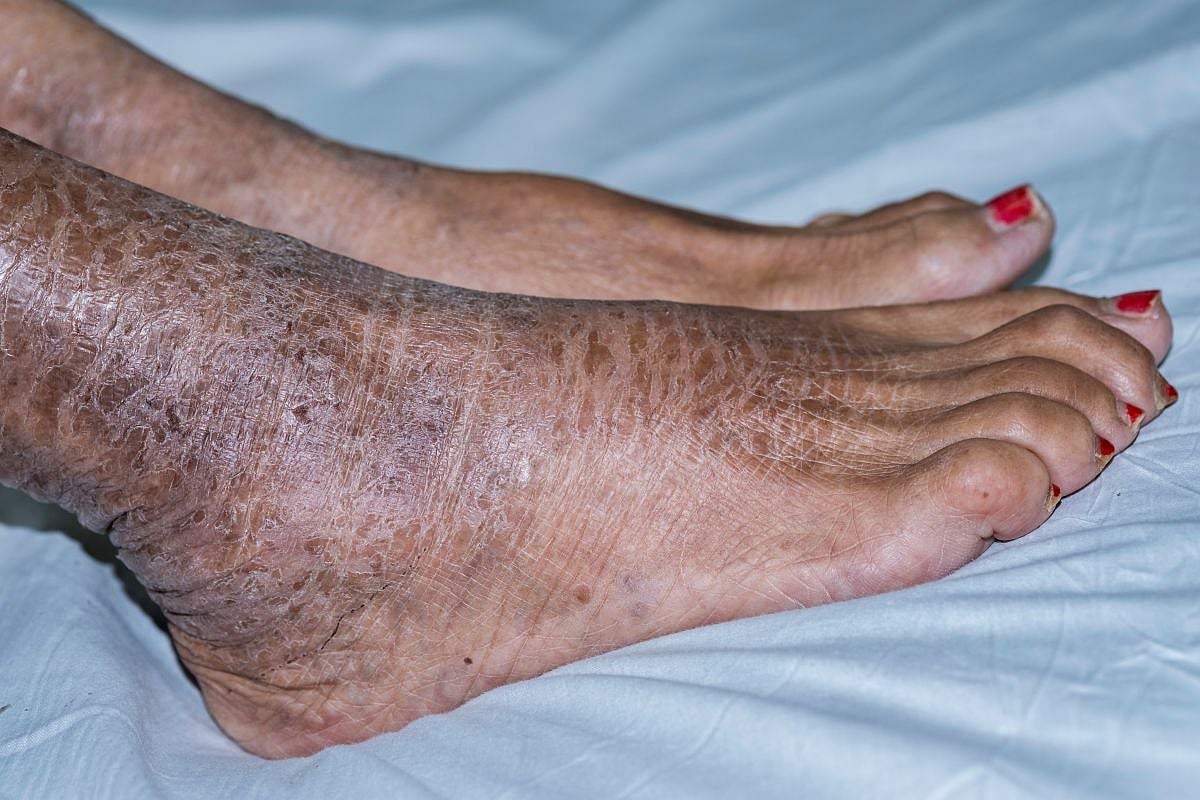 Congenital Ichthyosis Linked to Allergic Disorders
  Nighttime Light Exposure Linked to Sleep Parameters in Schizophrenia
  Psychiatrists Only Agree 55 Percent of the Time on Diagnoses
  Brain Abnormalities Identified in Children at Risk for Schizophrenia
  Pre-Prostate Biopsy MRI Use Increased From 2017 to 2026
  PET/MRI Offers Diagnostic, Prognostic Value in Pediatric Epilepsy
  Cortical Atrophy in Early-Onset Alzheimer Disease Signature Can Predict Progression to Dementia
  Systemic Physical Multimorbidity Higher With Schizophrenia-Spectrum, Bipolar Disorder



.jpg)
