


Long-term aspirin use before diagnosis also linked to lower odds of diagnosis with distant metastases
TUESDAY, Feb. 2, 2021 (HealthDay News) — Regular aspirin use before diagnosis of colorectal cancer (CRC) is associated with reduced CRC-specific mortality, according to a study published online Feb. 2 in the Journal of the National Cancer Institute.
Jane C. Figueiredo, Ph.D., from the Cedars-Sinai Medical Center in Los Angeles, and colleagues examined the association for aspirin and nonaspirin nonsteroidal anti-inflammatory drugs (NSAIDs) with CRC-specific survival in a prospective analysis of women and men from the Cancer Prevention Study-II Nutrition Cohort who were cancer-free at baseline (1992/1993) and diagnosed with CRC through follow-up (2015).
The researchers found that long-term regular aspirin use before diagnosis was associated with lower CRC-specific mortality (multivariable-adjusted hazard ratio [HR], 0.69; 95 percent confidence interval [CI], 0.52 to 0.92). There was no significant association seen for postdiagnosis regular aspirin use with the risk for CRC-specific mortality overall (HR, 0.82; 95 percent CI, 0.62 to 1.09). Compared with participants who did not use aspirin both before and after diagnosis, the risk for CRC-specific mortality was lower for those who began regular aspirin use only after their diagnosis (HR, 0.60; 95 percent CI, 0.36 to 0.98). Lower odds of diagnosis with distant metastases were seen with long-term aspirin use before diagnosis (multivariable-adjusted odds ratio, 0.73; 95 percent CI, 0.53 to 0.99).
“While more evidence is needed, preferably from randomized, controlled trials, findings from this study are an important resource to inform clinicians and CRC survivors about the potential benefits and harms of aspirin and nonaspirin NSAIDs use,” a coauthor said in a statement.
One author disclosed ties to FAKnostics.
Abstract/Full Text (subscription or payment may be required)
 Surveillance Colonoscopy at Five Years After Adenoma Removal Noninferior to Three Years
  Family History of CRC Increases CRC Risk Similarly in IBD, General Population
 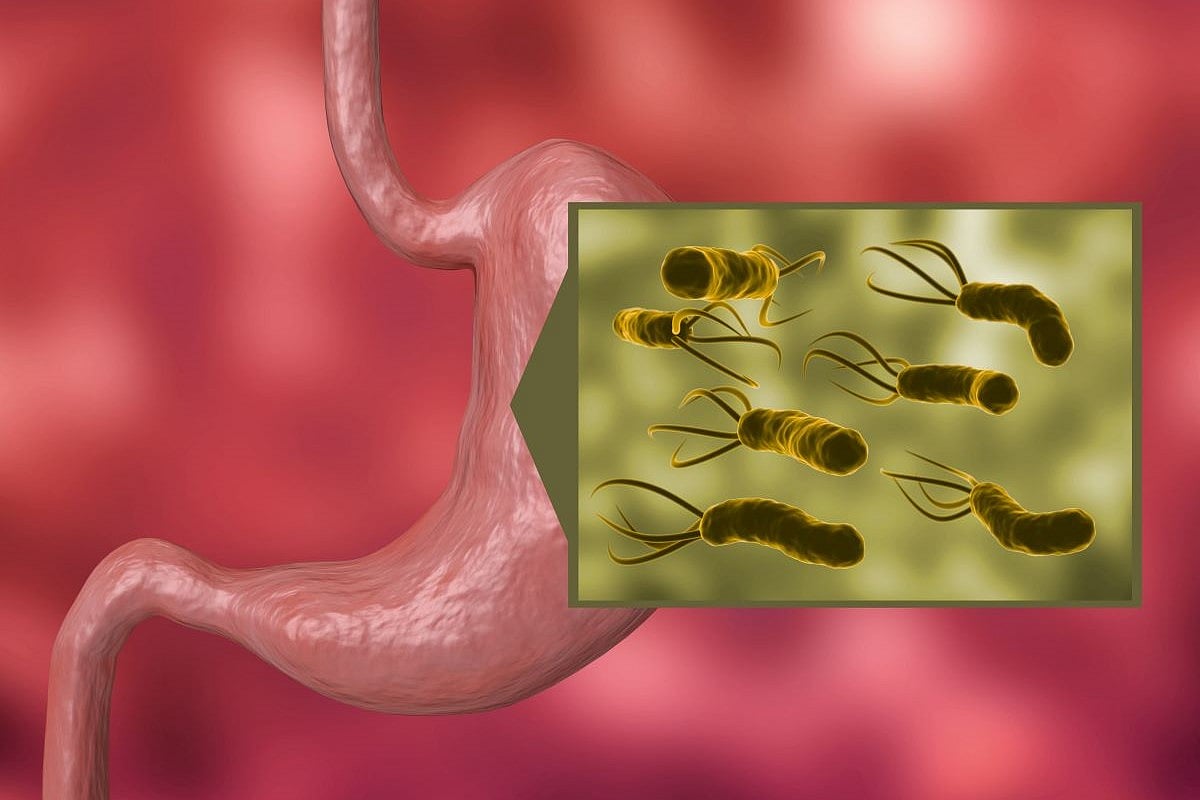 H. Pylori Exposure May Contribute to Global Burden of Colorectal Cancer
  Lower Breast, Cervical Cancer Screening Seen for Adults With Disabilities
  Gap Found Between Awareness of Breast Cancer Risk and Risk-Reducing Behavior
  Pre-Prostate Biopsy MRI Use Increased From 2017 to 2026
  Exercise Intervention Linked to Improved Attention, Memory in Breast Cancer
  Dense Breast Notification Linked to Increase in Use of Supplemental Ultrasound
 .jpg)




