


 Incidence up with frequent alcohol or meat consumption; no evidence of protective effect found for tea, coffee
WEDNESDAY, Sept. 30, 2020 (HealthDay News) — Decreased colorectal cancer (CRC) incidence is seen in association with use of aspirin, nonsteroidal anti-inflammatory drugs (NSAIDs), magnesium, folate, and high consumption of fruits and vegetables, fiber, and dairy products, according to an umbrella review published online Sept. 28 in Gut.
Nicolas Chapelle, M.D., from the Institut des Maladies de l’Appareil Digestif in Nantes, France, and colleagues examined evidence from 80 meta-analyses of interventional and observational studies of CRC prevention using medications, vitamins, supplements, and dietary factors to examine the ideal chemopreventive agent or agents.
Based on a review of the literature, the researchers found suggestions for a decreased incidence of CRC with the use of aspirin, NSAIDs, magnesium, folate, a high consumption of fruits and vegetables, fiber, and dairy products. There was an increased CRC incidence observed with frequent alcohol or meat consumption. There was no evidence of a protective effect for tea, coffee, garlic, fish, or soy products. A moderate level of evidence was found for aspirin, β-carotene, and selenium, while for all other exposures or interventions, the level of evidence was low or very low.
“It is our hope that despite all aforementioned limitations, this comprehensive umbrella meta-analysis will assist clinicians in counselling patients, and help to guide the future research on the topic that is required in many instances, to better characterize the impact of a nutritional, supplement, or chemical intervention in CRC prevention in an average-risk population,” the authors write.
 Recommendations Issued for Use of Incretin-Based Meds in Pregnancy
 Eating More Ultraprocessed Foods Heightens Risk for Chronic Diseases
 Nutritional Deficiencies Seen in Youth Taking GLP-1 Receptor Agonists
 Surveillance Colonoscopy at Five Years After Adenoma Removal Noninferior to Three Years
 Family History of CRC Increases CRC Risk Similarly in IBD, General Population
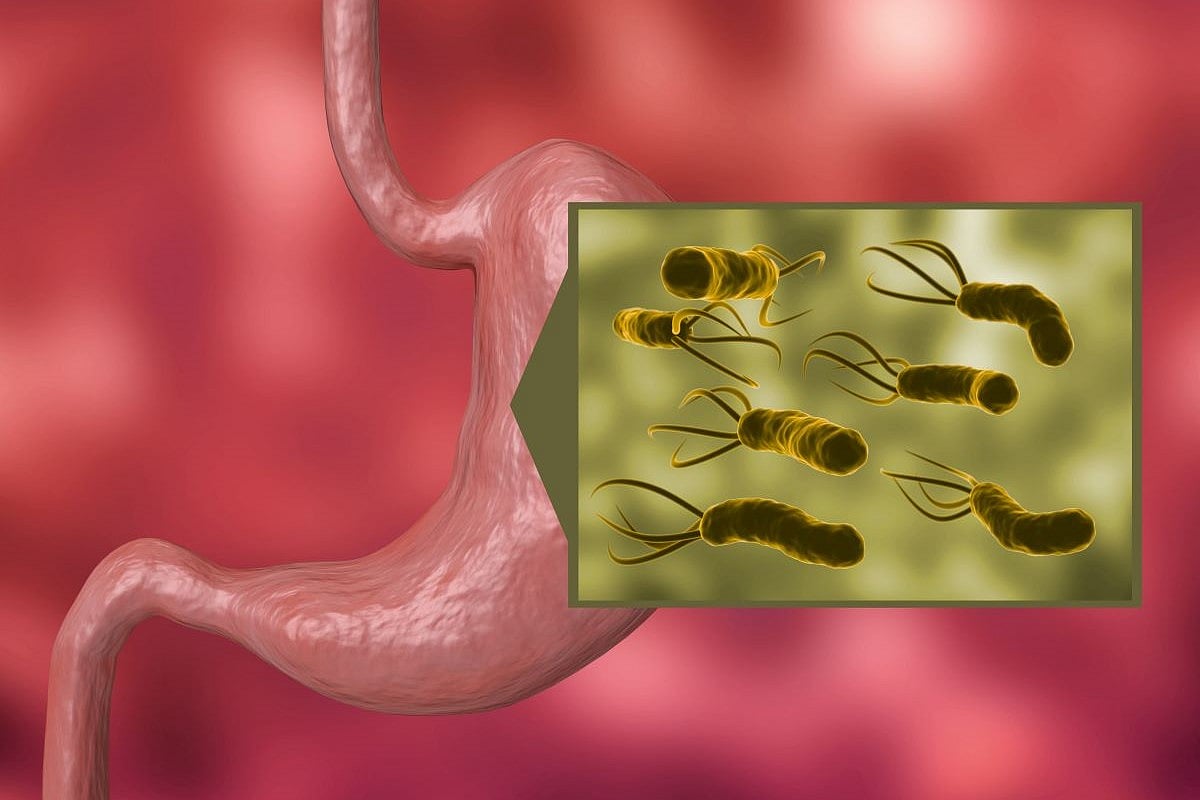 H. Pylori Exposure May Contribute to Global Burden of Colorectal Cancer
 Couples" Coping Skills Help Reduce Depression in GI Cancer Survivors
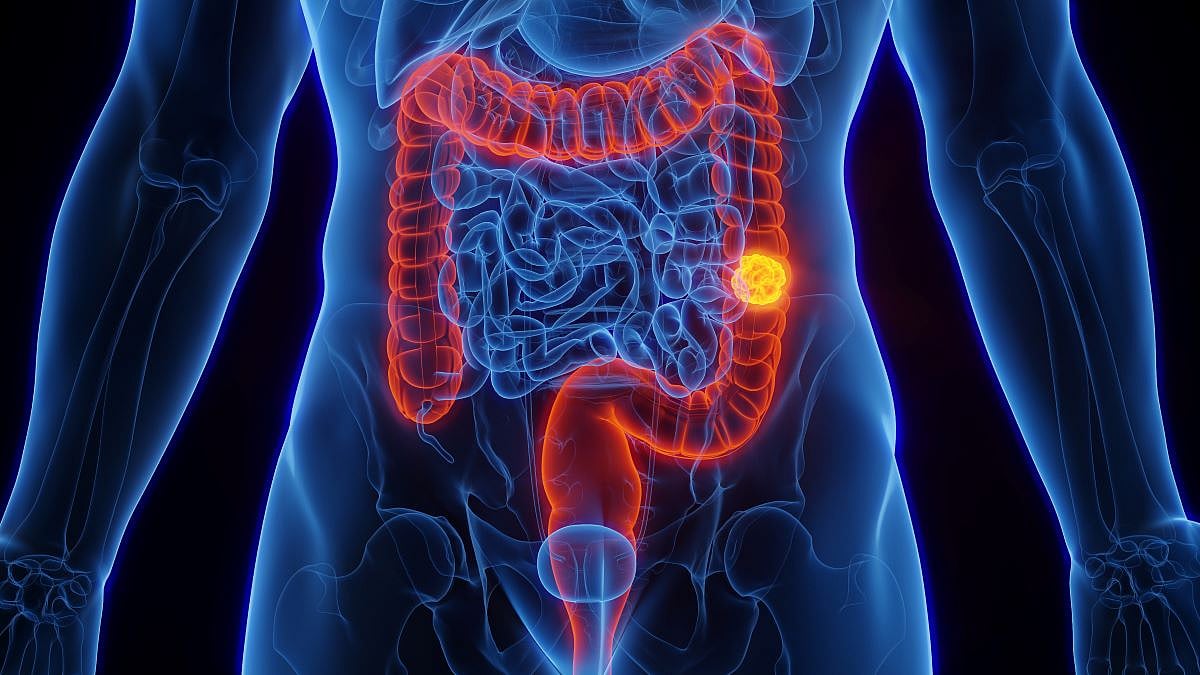 Organized, Biennial FIT-Based Screening Linked to Lower Colorectal Cancer Mortality



.jpg)

