



Prevalence of advanced neoplasms 40 to 50 percent lower among those who underwent repeated screening ≥10 years after a negative colonoscopy
THURSDAY, Jan. 19, 2023 (HealthDay News) — The risk for advanced colorectal neoplasms (ADNs) 10 or more years after a negative screening colonoscopy is low, according to a study published online Jan. 17 in JAMA Internal Medicine.
Thomas Heisser, from the German Cancer Research Center in Heidelberg, and colleagues assessed the prevalence of ADNs at ≥10 years after a negative screening colonoscopy among 120,298 repeated screening colonoscopy participants in Germany.
The researchers found that at 10 years, the prevalence of ADNs was 3.6 percent in women and 5.2 percent among men, which increased to 4.9 and 6.6 percent, respectively, among those who had a negative colonoscopy ≥14 years prior. Among all screening colonoscopies among patients aged 65 years or older (1.25 million) during the same time period, prevalence was 7.1 and 11.6 percent, respectively. For repeated colonoscopies ≥10 years after a negative colonoscopy, sex-specific and age-specific prevalence rates of ADNs were consistently at least 40 percent lower among women than men, lower at younger versus older ages, and much lower than for all screening colonoscopies (standardized prevalence ratios for cancers: 0.22 to 0.38 among women and 0.15 to 0.24 among men; standardized prevalence ratios for ADNs: 0.49 to 0.62 among women and 0.50 to 0.56 among men).
“Extension of the currently recommended 10-year screening intervals may be warranted, especially for female and younger participants without gastrointestinal symptoms,” the authors write.
 Surveillance Colonoscopy at Five Years After Adenoma Removal Noninferior to Three Years
  Family History of CRC Increases CRC Risk Similarly in IBD, General Population
 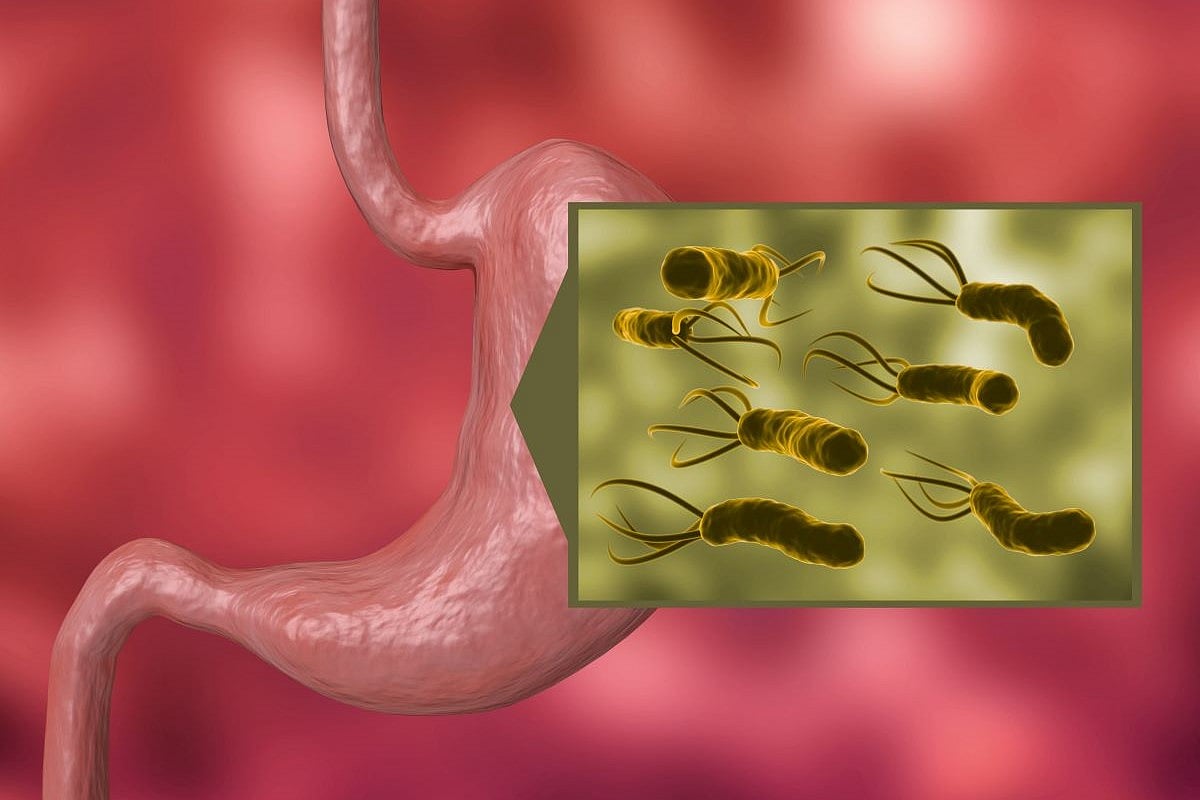 H. Pylori Exposure May Contribute to Global Burden of Colorectal Cancer
  Lower Breast, Cervical Cancer Screening Seen for Adults With Disabilities
  Gap Found Between Awareness of Breast Cancer Risk and Risk-Reducing Behavior
  Pre-Prostate Biopsy MRI Use Increased From 2017 to 2026
  Exercise Intervention Linked to Improved Attention, Memory in Breast Cancer
  Dense Breast Notification Linked to Increase in Use of Supplemental Ultrasound
 .jpg)




