


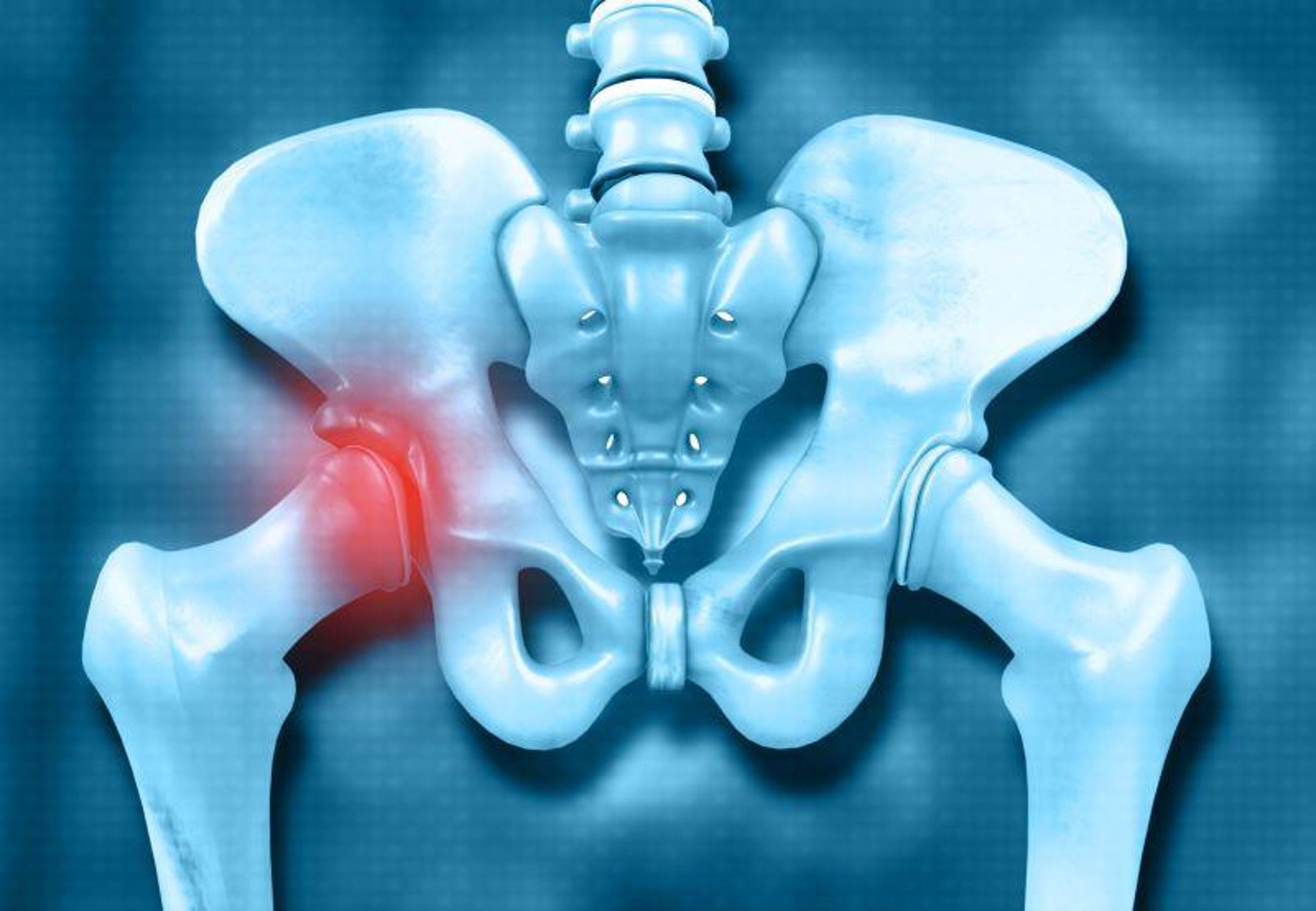
Lower risk for dislocation, revisions seen versus manual arthroplasty
THURSDAY, June 23, 2022 (HealthDay News) — Robotic-assisted total hip arthroplasty (R-THA) shows benefits in terms of dislocation rates and related revisions compared with manual total hip arthroplasty (M-THA), according to a study recently published online in The Journal of Arthroplasty.
Jonathan H. Shaw, M.D., from Henry Ford Hospital in Detroit, and colleagues compared dislocation rates and related revisions between R-THA and M-THA. The analysis included 2,247 consecutive patients (1,724 M-THA and 523 R-THA) who received a primary THA between January 2014 and June 2020 at a single hospital (three surgeons).
The researchers observed significantly lower rates of dislocation in R-THA (0.6 percent) versus M-THA (2.5 percent). All cases of unstable R-THA were successfully treated conservatively, while 46 percent of unstable M-THA were revised for recurrent instability. In the R-THA group, cup anteversion was greater (25.6 degrees for R-THA versus 20.6 degrees for M-THA), while cup inclination was lower (42.5 degrees for R-THA versus 47.0 degrees for M-THA). There were no significant differences seen for patient-reported outcome measures or other complications.
“Patients, in consultation with their joint replacement surgeon, should decide which surgical option is best for them,” Davis said in a statement. “Robotic surgery for hip replacement surgery continues to evolve and more larger studies are needed to better define the advantages.”
 Implant, Patient Survival Do Not Differ for Robotic and Conventional Total Joint Replacement
  Physical Therapist-Supervised Exercise Improves Outcomes After ACL Reconstruction
  Early Complications Common in Older Kidney Transplant Recipients
  PET/MRI Offers Diagnostic, Prognostic Value in Pediatric Epilepsy
  Drug Interactions Reducing Contraceptive Effectiveness Common in Epilepsy
  Pre-Prostate Biopsy MRI Use Increased From 2017 to 2026
  Frequent Cannabis Use Linked to Epilepsy Severity
  Less Intraoperative Crystalloid Fluid Not Tied to Worse Surgical Outcomes


.jpg)
