


Burden greater for psychological and somatic menopause symptoms, but not vasomotor symptoms
TUESDAY, Jan. 7, 2025 (HealthDay News) — Women living in rural areas may experience a greater burden of psychological and somatic menopause symptoms, according to a study published in the January issue of Menopause.
Erin R. Dwyer, from the University of Washington School of Medicine in Seattle, and colleagues compared menopause experience in rural-, suburban-, and urban-residing women. The analysis included online survey responses from 1,531 participants.
The researchers found that rural residents had more prevalent symptoms in late menopause transition, including muscle aches and pains (urban, 49 percent; suburban, 49 percent; rural, 65 percent) and panic attacks (urban, 18 percent; suburban, 24 percent; rural, 30 percent). Rural residents also had more prevalent symptoms in postmenopause, including: mood swings (urban, 18 percent; suburban, 14 percent; rural, 23 percent), urinary incontinence (urban, 19 percent; suburban, 14 percent; rural, 23 percent), and vaginal dryness (urban, 22 percent; suburban, 29 percent; rural, 37 percent). Overall, vasomotor symptom prevalence was high (71 percent late menopause transition, 20 percent postmenopause), while current menopause hormone therapy use was low (11 percent late menopause transition, 11 percent postmenopause) and did not differ by residence.
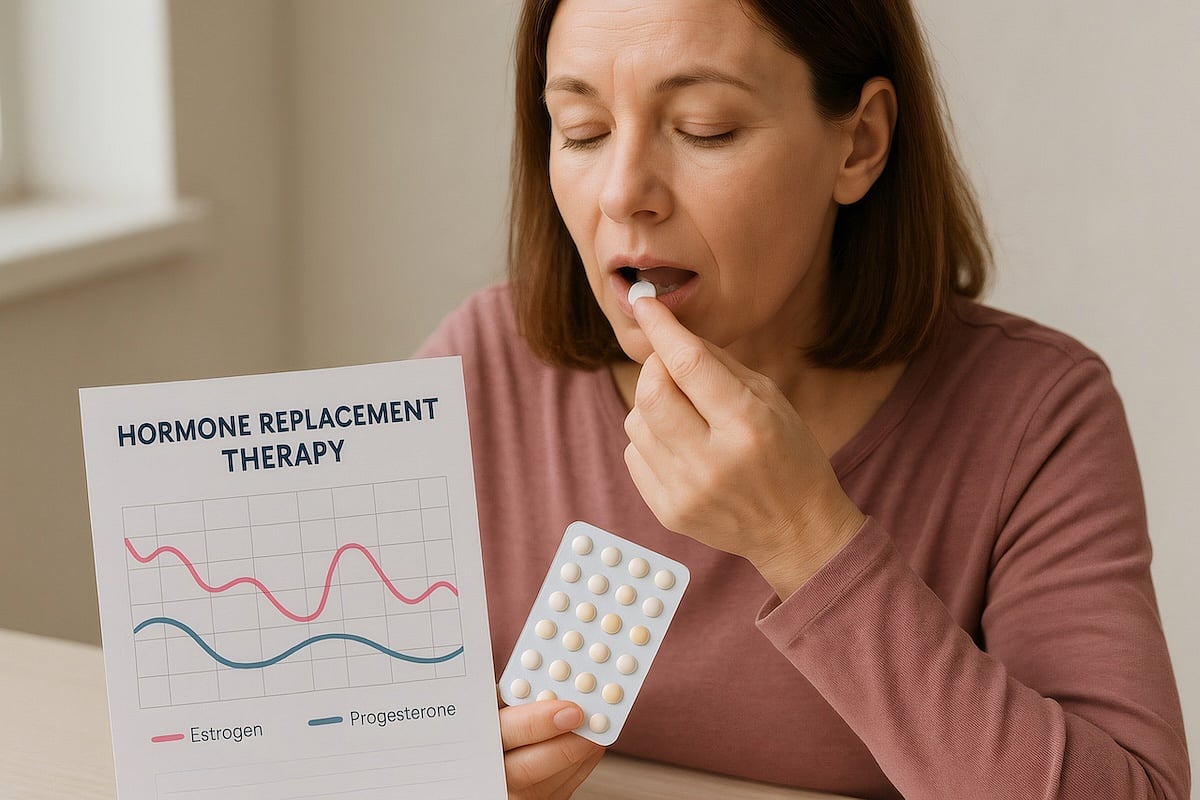
“Overall low rates of menopause hormone therapy use suggest a need for education regarding hormone therapy, tailored to residential groups who rely on different resources on healthy aging,” the authors write.
Two authors disclosed ties to the pharmaceutical industry.
Abstract/Full Text (subscription or payment may be required)
 Oral Menopausal Hormone Therapy Linked to Venous Thromboembolic Risk
  MHT Initiation May Reduce Cardiovascular Risk in Women With Vasomotor Symptoms
  Longer Reproductive Lifespan Tied to Lower Bronchiectasis Risk in Postmenopausal Women
  Midlife Onset of Increasing Pulse Pressure Not Linked to Menopause
 .jpg) Pregnancy Complications Linked to Subsequent Risk for Cardiometabolic-Renal Conditions
Pregnancy Complications Linked to Subsequent Risk for Cardiometabolic-Renal Conditions  Isometric Exercise Training Three Times a Week Preserves Cardiovascular Benefits
  IBD Not Linked to Risk for Hypertensive Disorders of Pregnancy Overall
  Mortality in Injured Children Linked to Higher SBP Thresholds Than Those That Define Hypotension



.jpg)
