


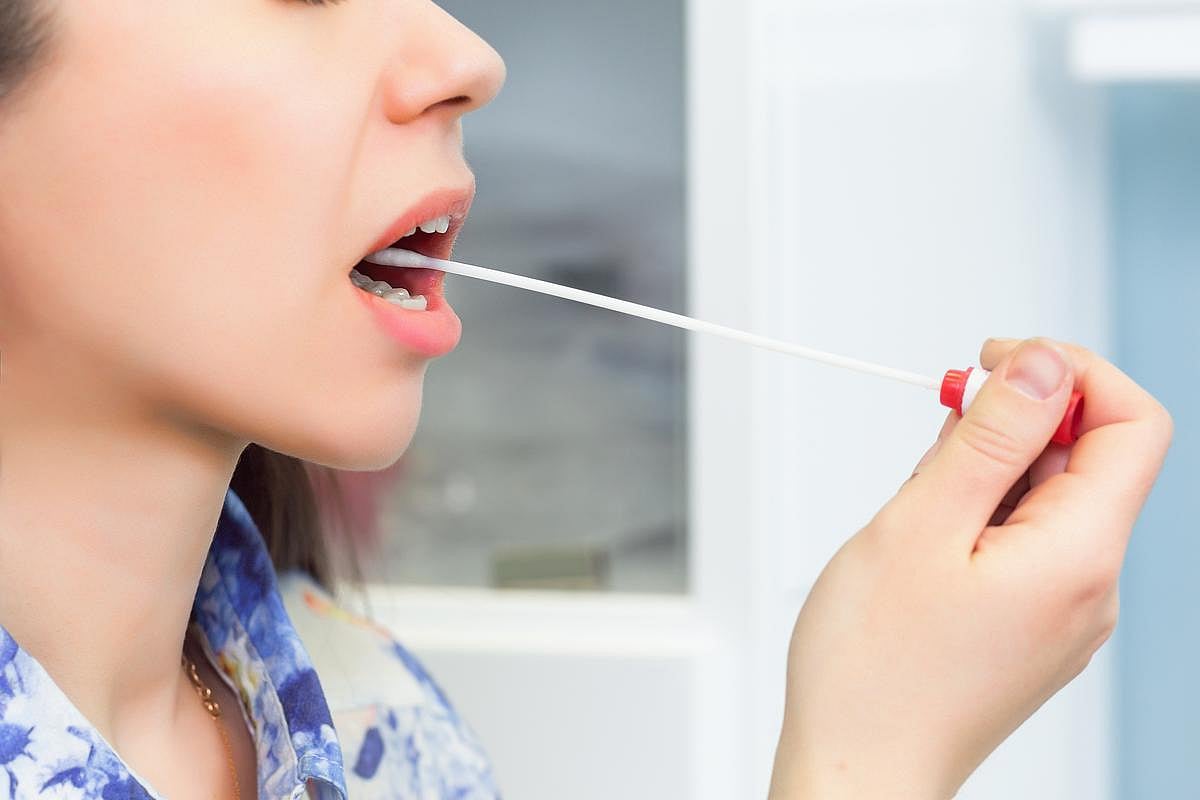
Saliva insulin differentiates between normal and hyperinsulinemic responses in normoglycemic individuals
MONDAY, Aug. 18, 2025 (HealthDay News) — Saliva insulin can differentiate between normal and hyperinsulinemic responses among normoglycemic adults with different body mass index (BMI) classes, according to a study published online May 16 in Applied Physiology, Nutrition, and Metabolism.
Hossein Rafiei, Ph.D., R.D., from St. Louis University, and Jonathan Peter Little, Ph.D., from the University of British Columbia in Vancouver, Canada, characterized saliva insulin responses to a standardized meal tolerance test. Ninety-four healthy normoglycemic adults were recruited and categorized into normal weight (NW; 41 participants), overweight (OW; 23 participants), and obese (OB; 30 participants). Participants consumed a standardized liquid meal after fasting for four or more hours. At fasting, 60 minutes, and 90 minutes post meal, saliva samples and finger prick blood glucose were collected.
The researchers found that at all time points, saliva insulin levels were significantly higher in the OB versus the OW and NW groups. Higher insulin levels were also seen in the OW versus the NW group. Among the groups, there were no significant differences in fasting and post-meal glucose levels. There were strong positive correlations between obesity markers and saliva insulin levels. Preliminary cut-off values for fasting, 60 minutes, and 90 minutes post-meal saliva insulin may differentiate between normal and hyperinsulinemic responses (about 16, 97, and 115 pmol/L, respectively).
“People living with obesity had much higher insulin levels in their saliva than those who were slightly overweight or had lower body weight — even though their blood sugar levels were the same,” Little said in a statement. “This suggests that saliva testing could be a simple, noninvasive way to identify people at risk of type 2 diabetes before symptoms appear.”
One author disclosed ties to relevant organizations.
Abstract/Full Text (subscription or payment may be required)
 Spinal Cord Stimulation Cuts Pain, Improves Sensation With Diabetic Nerve Damage
  Very Low-Carb Diet Shows Greater Cardiometabolic Benefits Than Other Diets
 .jpg) Time-Restricted Eating May Help Patients With Type 1 Diabetes
Time-Restricted Eating May Help Patients With Type 1 Diabetes  Vascular Burden in Midlife Linked to Increased Risk for Dementia, Death
  Isometric Exercise Training Three Times a Week Preserves Cardiovascular Benefits
  Insomnia Linked to Increased Risk for Stroke, Odds of Admission
  Increased Dementia Risk Seen After Transient Ischemic Attack
  Nearly 3 in 4 Older Adults Express Interest in Vaccine to Prevent Dementia




.jpg)