


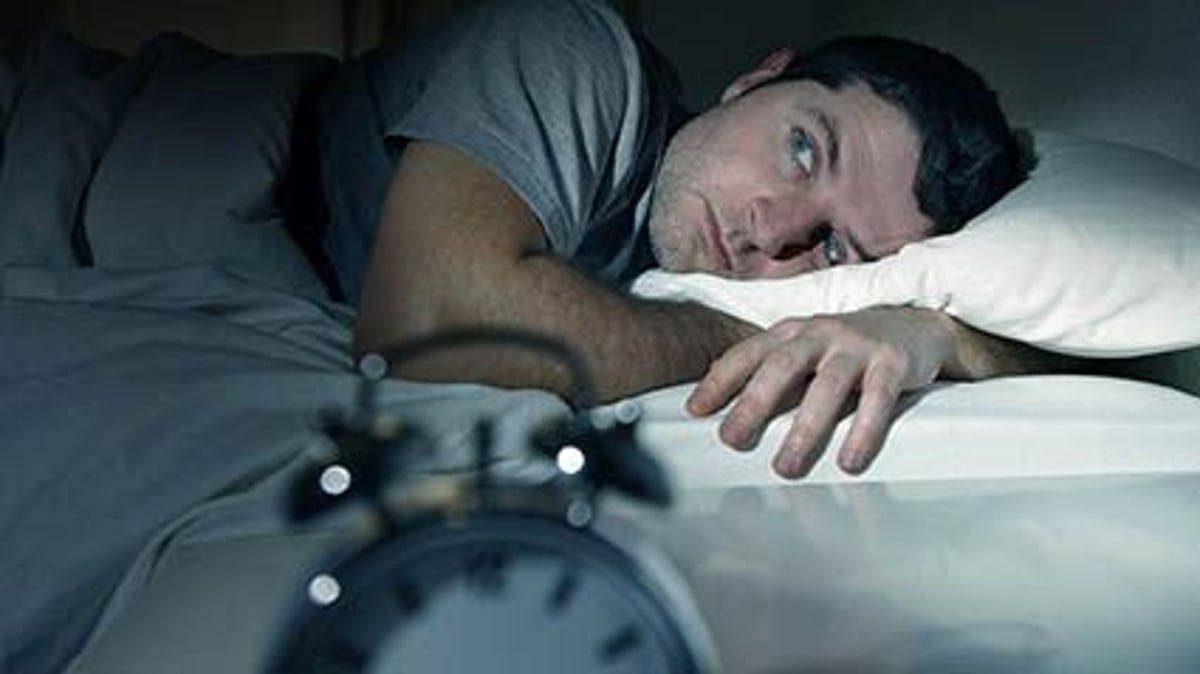
Positive sleep disorder screening tied to increased odds of burnout, lower odds of professional fulfillment
FRIDAY, Oct. 30, 2020 (HealthDay News) — Sleep disorders are common among employees at a teaching hospital system and are associated with occupational burnout, according to a research letter published online Oct. 30 in JAMA Network Open.
Matthew D. Weaver, Ph.D., from Brigham and Women’s Hospital in Boston, and colleagues examined the prevalence of sleep disorders and estimated the cross-sectional association between sleep disorders and burnout symptoms among faculty and staff at a teaching hospital system.
The researchers found that 29 percent of 1,047 employees screened positive for at least one sleep disorder, with the prevalence varying across groups (12 to 48 percent). The most common sleep disorders were insomnia, obstructive sleep apnea, shift work disorder, and restless legs syndrome (14, 12, 11, and 2 percent, respectively). Of those employees with a positive finding for a sleep disorder, 92 percent were previously undiagnosed and untreated. Overall, 29 percent of the 1,074 employees who completed screening for burnout had a positive result. Forty-nine percent of the 1,031 employees who completed the professional fulfillment index reported low levels of professional fulfillment. The prevalence of burnout varied between the groups from 10 to 59 percent. There was an association seen for a positive sleep disorder screening result with increased odds of burnout and reduced odds of professional fulfillment (odds ratios, 3.67 and 0.53, respectively).
“Future studies should be conducted to evaluate the effectiveness of a sleep health and wellness program on reducing burnout symptoms,” the authors write.
Several authors disclosed financial ties to the pharmaceutical industry; one author served as an expert witness in a number of legal cases.
 2013 to 2024 Saw Decrease in Benzodiazepine Prescribing
  Less Intraoperative Crystalloid Fluid Not Tied to Worse Surgical Outcomes
  Pediatricians Report Immigrant Families Avoiding Care for Their Children
  Psychiatrists Only Agree 55 Percent of the Time on Diagnoses
  Childhood Cancer Survivors Often Have Mental Distress in Adulthood
  Nighttime Light Exposure Linked to Sleep Parameters in Schizophrenia
  Air Pollution Tied to Higher Risk for Suicide
  2021 to 2026 Saw Increase in State Funding for Suicide Prevention
 .jpg)




