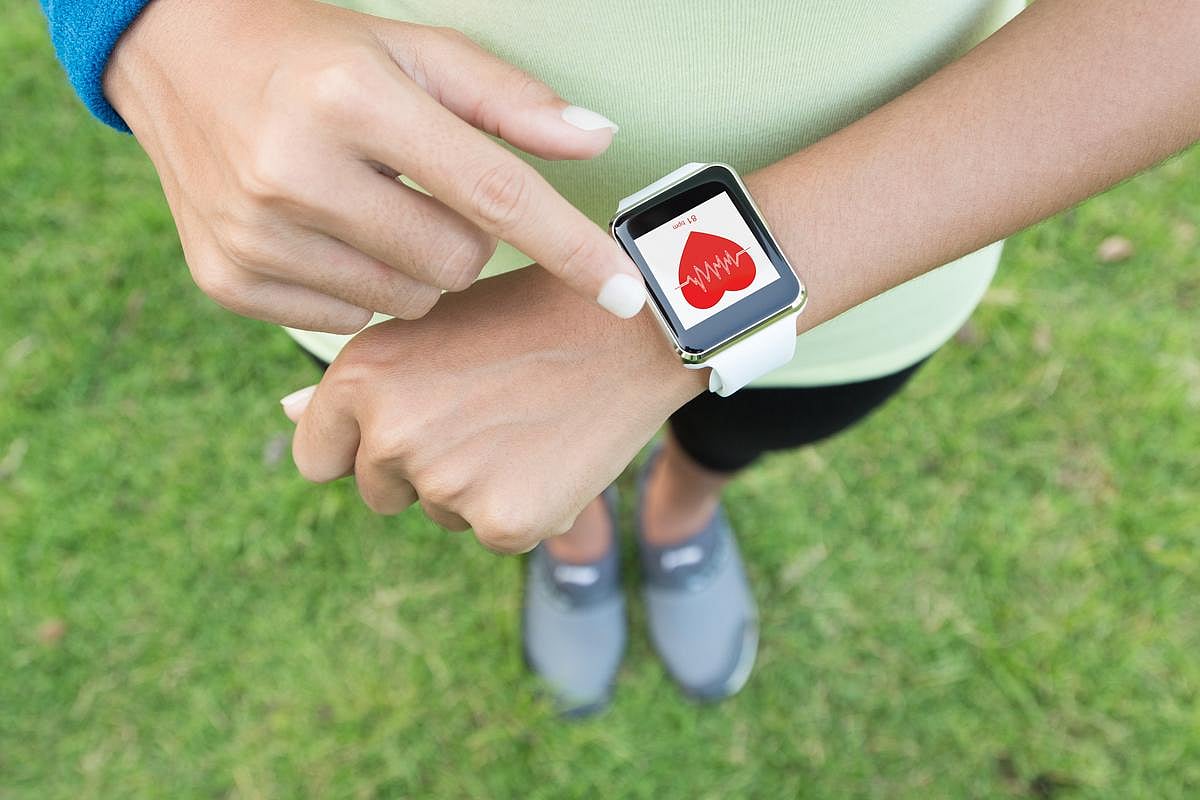
Benefits include more steps per day and more minutes engaged in moderate-to-vigorous physical activity
THURSDAY, June 18, 2026 (HealthDay News) — Smartphones and wearable devices are effective at increasing physical activity among patients with cardiovascular disease, according to research published online June 17 in the Journal of the American Heart Association.
Ajith Kumar Vemuri, Ph.D., from the College of Medicine at Pennsylvania State University in Hershey, and colleagues conducted a systematic literature review to determine if interventions composed of smartphones and wearables are effective in enhancing physical activity among individuals with cardiovascular disease.
Based on 14 randomized controlled trials (1,057 participants), the researchers found that interventions composed of smartphones and wearables resulted in a mean difference of 1,097.4 steps per day and 3.9 minutes of moderate-to-vigorous physical activity per day compared with control groups.
“Smartphones and wearables are already in people”s pockets and on their wrists,” Vemuri said in a statement. “When we show that these devices can effectively support routine care, we can start designing cost-effective, personalized digital interventions that reach a much wider population.”
 Physical Activity Linked to Slower Cognitive, Motor Progression in Parkinson Disease
  Air Pollution Does Not Impair Benefits of Walking in Reducing COPD Exacerbation Rate
  Exercise Intervention Linked to Improved Attention, Memory in Breast Cancer
  Exercise-Based Cardiac Rehab Beneficial for Coronary Heart Disease
  Isometric Exercise Training Three Times a Week Preserves Cardiovascular Benefits
  UACR, UPCR Provide Indistinguishable Prognostic Information in CKD
  Strength Training Not Tied to Ventricular Arrhythmia in Those With Arrhythmogenic Cardiomyopathy
  Combo of Step Count and Step Pace Tied to Lower Risk for Early Death


.jpg)