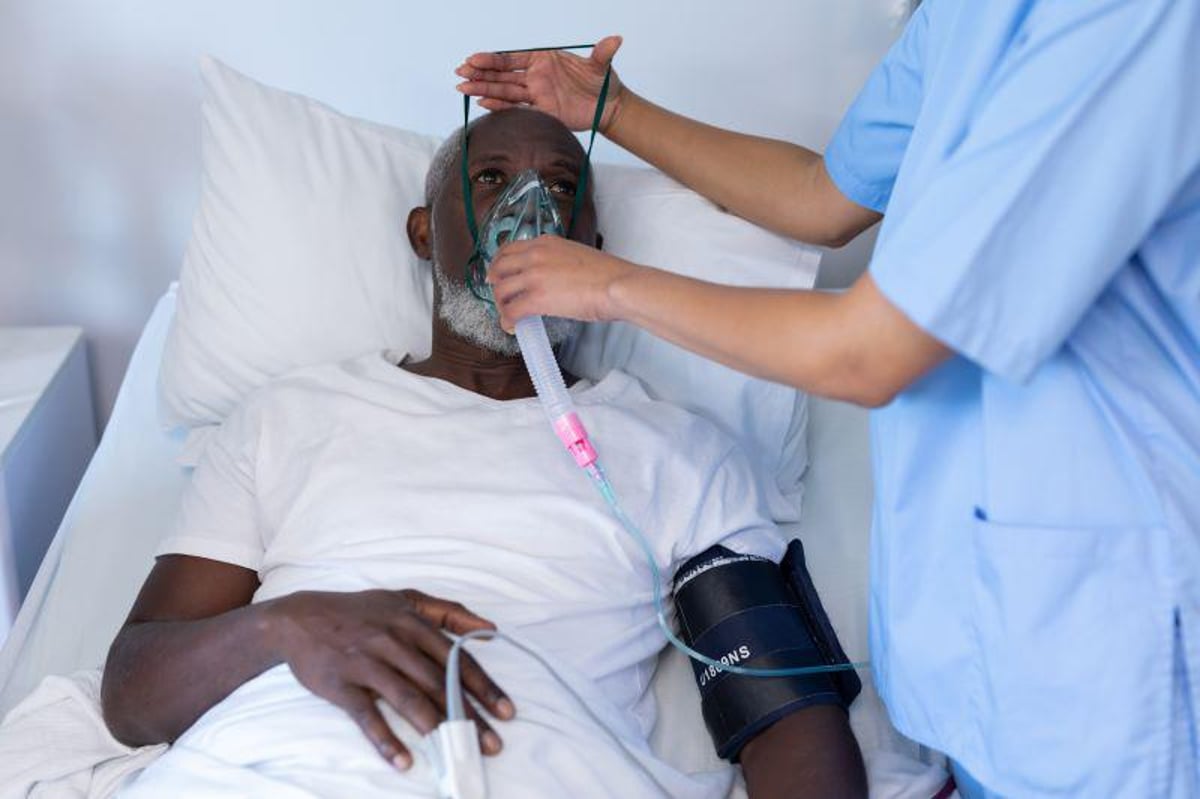
Once hospitalized, patients did not experience differences in hospital mortality, discharge disposition
WEDNESDAY, Feb. 23, 2022 (HealthDay News) — Patients with COVID-19 from socially vulnerable neighborhoods present with increased severity of illness and require more intensive treatment, according to a study published online Feb. 22 in the Annals of Internal Medicine.
Renuka Tipirneni, M.D., from the University of Michigan in Ann Arbor, and colleagues conducted a pooled cross-sectional study of prospectively collected data involving adults aged older than 18 years hospitalized for COVID-19 at 38 Michigan hospitals between March and December 2020.
The researchers found that patients living in high-vulnerability ZIP codes versus those living in low-vulnerability ZIP codes were more often treated in the intensive care unit (29.0 versus 24.5 percent), more frequently received mechanical ventilation (19.3 versus 14.2 percent), and experienced higher rates of organ dysfunction (51.9 versus 48.6 percent), organ failure (54.7 versus 51.6 percent), and in-hospital death (19.4 versus 16.7 percent). A 0.25 increase in a patient’s neighborhood social vulnerability index was associated with an increased likelihood of mechanical ventilation, acute organ dysfunction, and acute organ failure (2.1, 2.8, and 2.8 percentage point increase, respectively) in analyses accounting for age, sex, and comorbid conditions; no associations were seen with intensive care unit stay, mortality, or discharge disposition.
“Policymakers should target more socially vulnerable neighborhoods to improve access to COVID-19 testing, treatment, and vaccination, as well as to identify and address social needs to ameliorate disparities in COVID-19 health outcomes,” the authors write.
 Socioeconomic Status Linked to Mortality After Acute Hip Fracture Surgery
  Drug Retention in Spondyloarthritis Varies With Socioeconomic Status
  Socioeconomic Inequalities Tied to Functional Aging
  Adults With CHD and Lower Household Incomes Have Higher Mortality, Disability
  Disadvantaged Communities Have Decreased Access to Dialysis Facilities
  Exposure to Wildfire Smoke Fine Particulate Matter Linked to Increased Stroke Risk
  Medical Debt Tied to Subsequent Housing Instability
  Access to Parks Linked to Greater Physical Activity for Some Residents