Association greater for Crohn disease versus ulcerative colitis
THURSDAY, Dec. 17, 2020 (HealthDay News) — Lower socioeconomic status (LSS) is associated with worse outcomes for inflammatory bowel disease (IBD), according to a study published in the December issue of The American Journal of Gastroenterology.
Charles N. Bernstein, M.D., from the University of Manitoba in Winnipeg, Canada, and colleagues used the Manitoba Health administrative database to identify 9,298 individuals with IBD (April 1, 1995, to March 31, 2018). These data were linked to the Employment and Income Assistance database and another database of all persons with Child and Family Services contact, which served as measures of LSS.
The researchers found that for persons with LSS, there were increased rates of annual outpatient physician visits (relative risk [RR], 1.10), hospitalizations (RR, 1.38), intensive care unit admissions (RR, 1.94), use of corticosteroids >2,000 mg/year (RR, 1.12), and death (hazard ratio 1.53) versus individuals without any markers of LSS. Use of narcotics (RR, 2.17) and psychotropic medications (RR, 1.98) was also higher among those with LSS. For those with Crohn disease, the impact of LSS was greater than for those with ulcerative colitis.
“Social determinants of health at time of diagnosis should be highly considered and addressed,” the authors write.
One author disclosed financial ties to the pharmaceutical industry.
 Serum 25(OH)D May Serve as Biomarker of Disease Activity in IBD
  IBD Not Linked to Risk for Hypertensive Disorders of Pregnancy Overall
  Socioeconomic Status Linked to Mortality After Acute Hip Fracture Surgery
  Family History of CRC Increases CRC Risk Similarly in IBD, General Population
  Surveillance Colonoscopy at Five Years After Adenoma Removal Noninferior to Three Years
  Gene Mutation Identified That Increases Lung Cancer Risk
 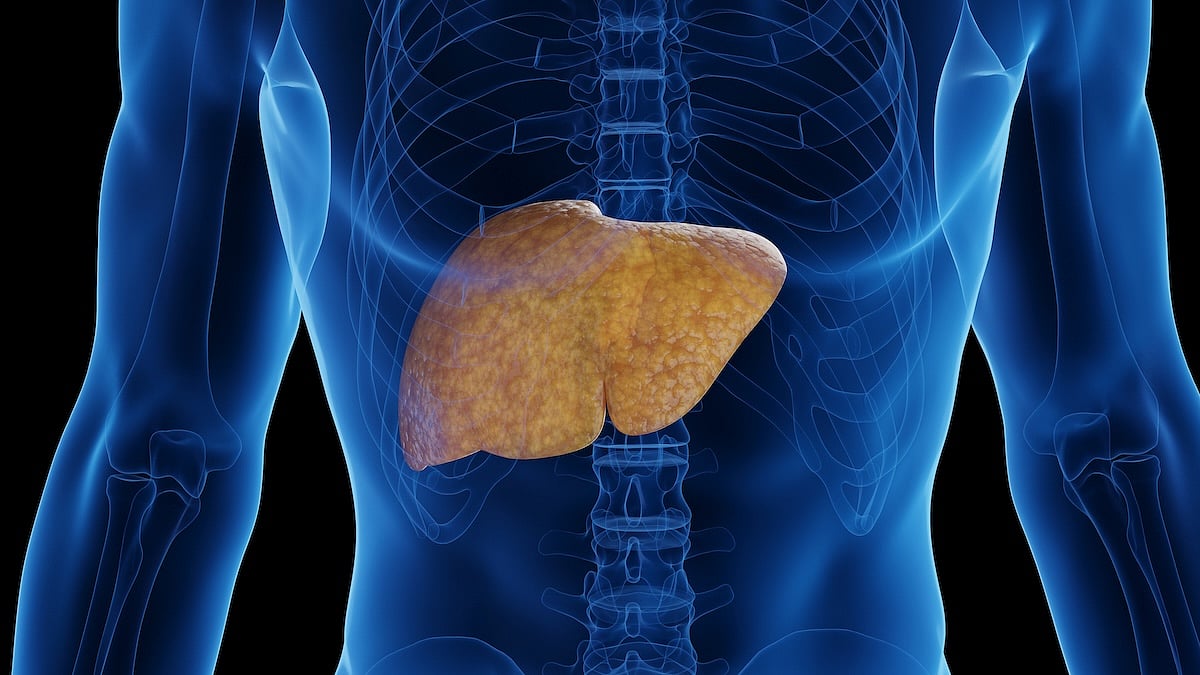 Genetics, Diabetes Tied to MASLD-Associated Cirrhosis Before Age 50
  Relapse Rare After Appendiceal Adenocarcinoma Resection



.jpeg)