


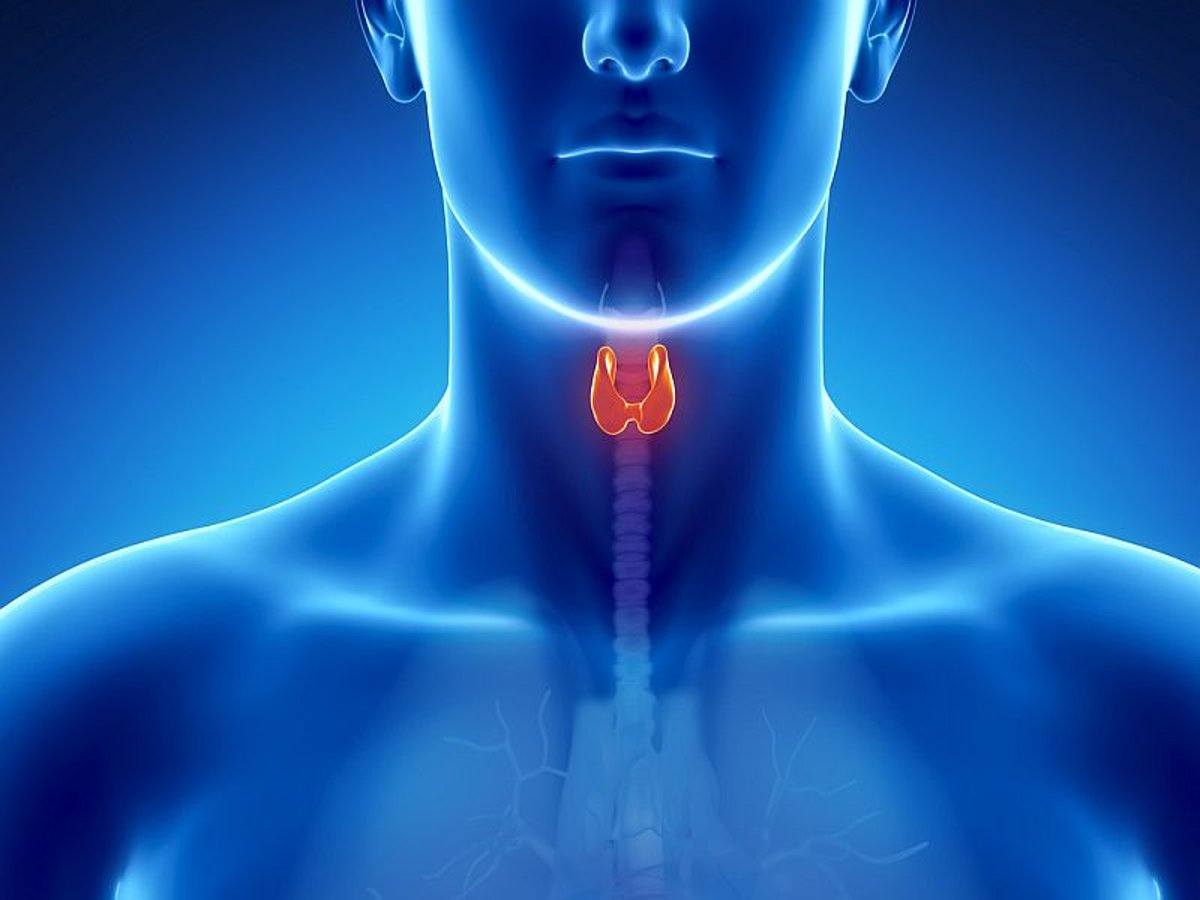
 Some endorse for patient request, abnormal thyroid function test result, positive thyroid antibody test
MONDAY, Aug. 17, 2020 (HealthDay News) — A considerable proportion of physicians endorse use of thyroid ultrasonography for clinically unsupported reasons, according to a research letter published online Aug. 12 in JAMA Surgery.
Debbie W. Chen, M.D., from the University of Michigan in Ann Arbor, and colleagues examined physician-reported use of thyroid ultrasonography among surgeons, endocrinologists, and primary care physicians who were involved in thyroid cancer care. A total of 610 physicians were asked to select clinical scenarios in which they would schedule a thyroid or neck ultrasonography examination.
The researchers found that 98.2, 91.8, 88.1, and 65.8 percent of physicians reported use of ultrasonography for the following clinically supported reasons: palpable nodules, large goiter, nodule seen on another imaging test, and new-onset hoarseness or compressive symptoms, respectively. A substantial proportion endorsed use for the following clinically unsupported reasons: patient request, abnormal thyroid function test results, and positive thyroid antibody test results (32.7, 28.0, and 22.5 percent, respectively). The use of ultrasonography was endorsed for fatigue by three physicians (0.5 percent); none endorsed use for routine well-patient visits. Factors associated with misuse of thyroid ultrasonography were identified. Most physicians (69.3 percent) cited recently published clinical guidelines as most influential in their decisions for treating patients with thyroid nodules and thyroid cancer.
“This study highlights the need for focused physician education on clinically supported and unsupported indications for use of thyroid ultrasonography, with potential roles for future clinical practice guidelines, patient decision making aids, and clinical decision making support tools,” the authors write.
Abstract/Full Text (subscription or payment may be required)
 Implant, Patient Survival Do Not Differ for Robotic and Conventional Total Joint Replacement
  Physical Therapist-Supervised Exercise Improves Outcomes After ACL Reconstruction
  Early Complications Common in Older Kidney Transplant Recipients
  PET/MRI Offers Diagnostic, Prognostic Value in Pediatric Epilepsy
  Drug Interactions Reducing Contraceptive Effectiveness Common in Epilepsy
 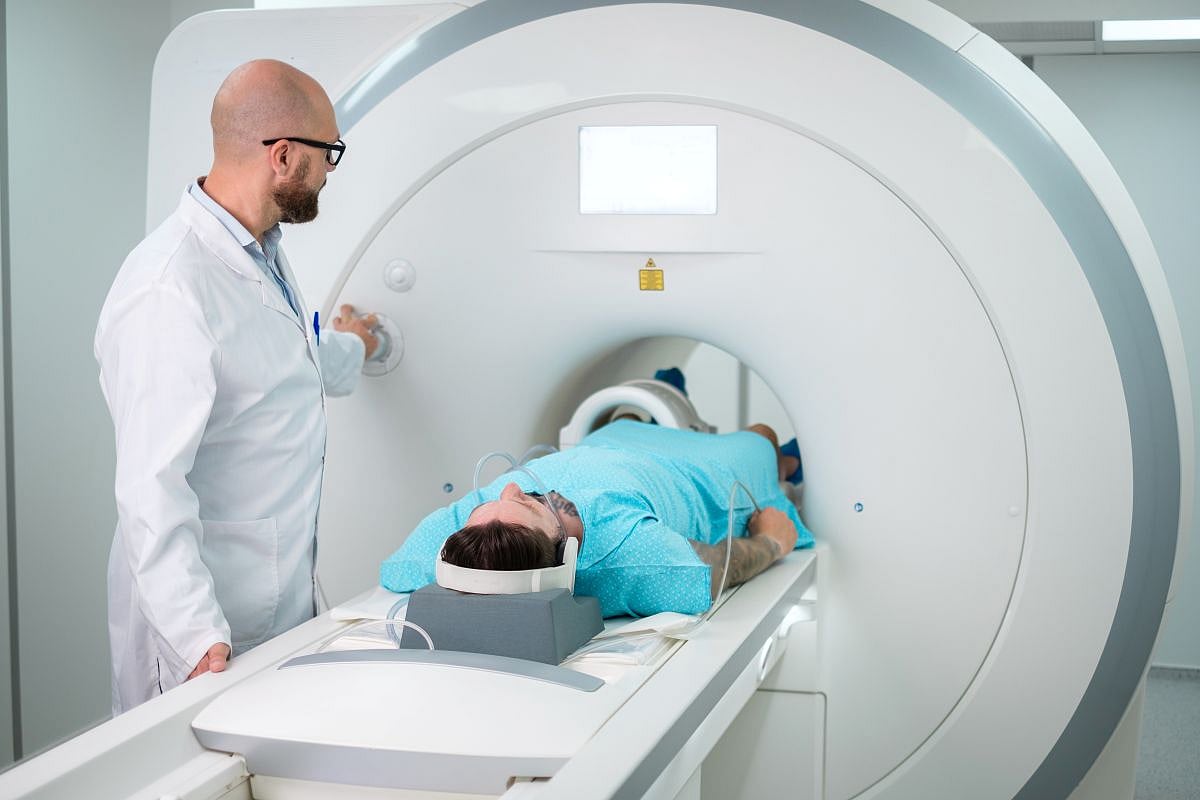 Pre-Prostate Biopsy MRI Use Increased From 2017 to 2026
  Frequent Cannabis Use Linked to Epilepsy Severity
  Less Intraoperative Crystalloid Fluid Not Tied to Worse Surgical Outcomes


.jpg)
