


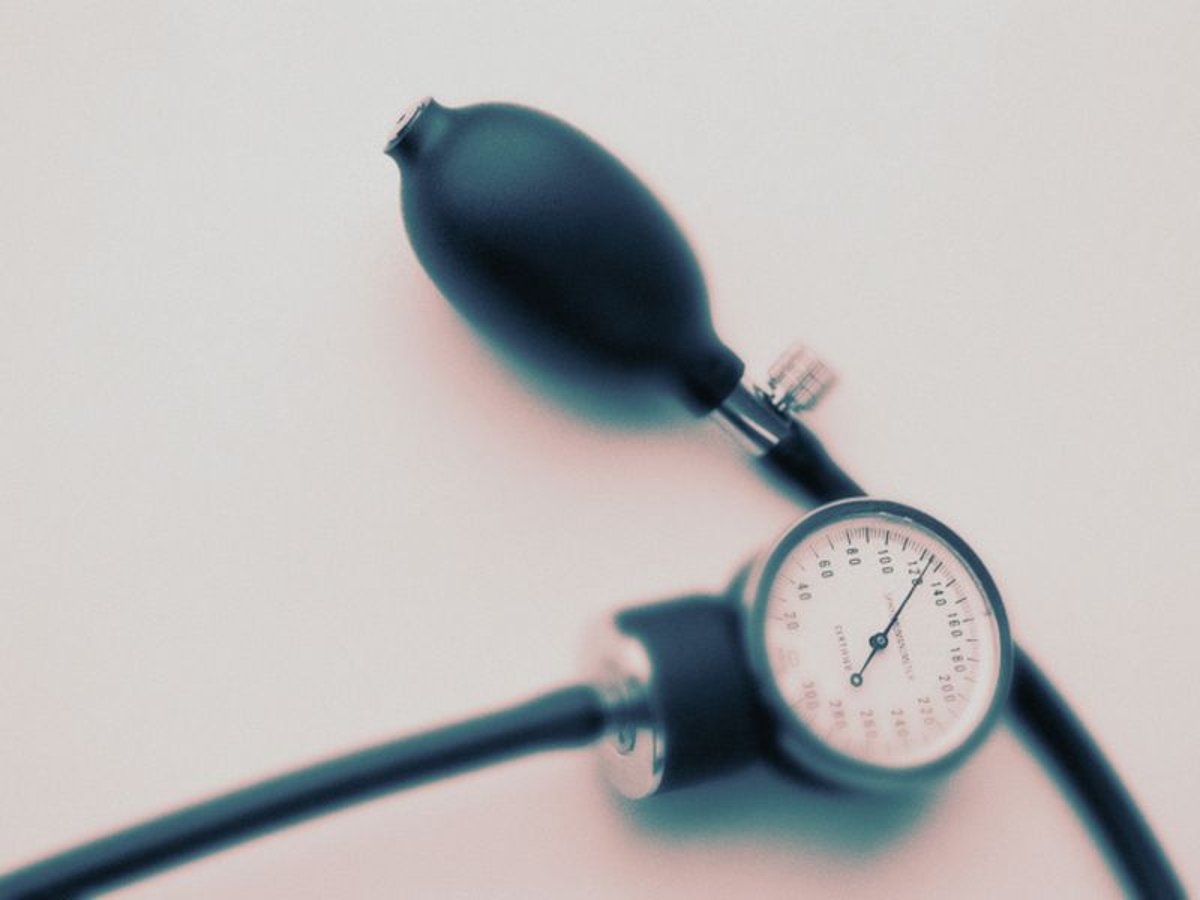
 Most providers rely on clinic BP measurements; almost all use clinic BP threshold of 140/90 mm Hg
FRIDAY, Sept. 11, 2020 (HealthDay News) — Some health care professionals are not following current evidence-based guidelines to screen for and diagnose hypertension, according to a study presented at the American Heart Association Hypertension 2020 Scientific Sessions, held virtually from Sept. 10 to 13.
Beverly Green, M.D., M.P.H., from Kaiser Permanente Washington Health Research Institute in Seattle, and colleagues examined provider knowledge, beliefs, and practices about BP diagnostic tests in 10 primary care medical centers in a health care system. A total of 282 providers responded to the survey.
The researchers found that when making a new diagnosis of hypertension, 78.8 percent of providers believed that BP measured manually with a stethoscope and 24-hour ambulatory blood pressure monitoring (ABPM) were very or highly accurate for measuring BP; most providers did not believe automated clinic BPs, home BP, or kiosk BP measurements were very or highly accurate. In making a new diagnosis of hypertension, 95.7 percent of providers reported that they always or almost always relied on clinic BP measurements, but 60.5 percent of physicians/advanced practitioners (APs) would prefer using ABPM if readily available. Almost all physicians/APs reported using a clinic BP threshold of 140/90 mm Hg; few reported a threshold of 130/80 mm Hg. Guideline-concordant home or ABPM diagnostic thresholds were reported by few physician/APs; the most common response was 140/90 mm Hg.
“Most physicians and advanced practitioners thought the threshold for high blood pressure for 24-hour ambulatory or home blood pressure monitoring was ≥140/90 mm Hg,” Green said in a statement.
.jpg) Most Specialty Oral Anticancer Meds for Blood Cancers Are Initially Rejected by Insurers
Most Specialty Oral Anticancer Meds for Blood Cancers Are Initially Rejected by Insurers  Personalized Support Boosts Families" Genetic Testing for Hereditary Cancers
  Gap Found Between Awareness of Breast Cancer Risk and Risk-Reducing Behavior
  Urine Cell-Free RNA Shows Promise as Biomarker for Bladder Cancer
  Pre-Prostate Biopsy MRI Use Increased From 2017 to 2026
  ASTRO Issues Guidance for Use of Radiation Therapy in Bladder Cancer
 .jpeg) Higher Intake of Saturated, Animal Fats May Increase Mortality in Prostate Cancer
Higher Intake of Saturated, Animal Fats May Increase Mortality in Prostate Cancer  Adverse Pathological Features Do Not Predict Benefit of Hormone Therapy in Prostate Cancer




