


Greater worst pain in first 24 hours and more prescription analgesic use at 60 days reported with spinal versus general anesthesia
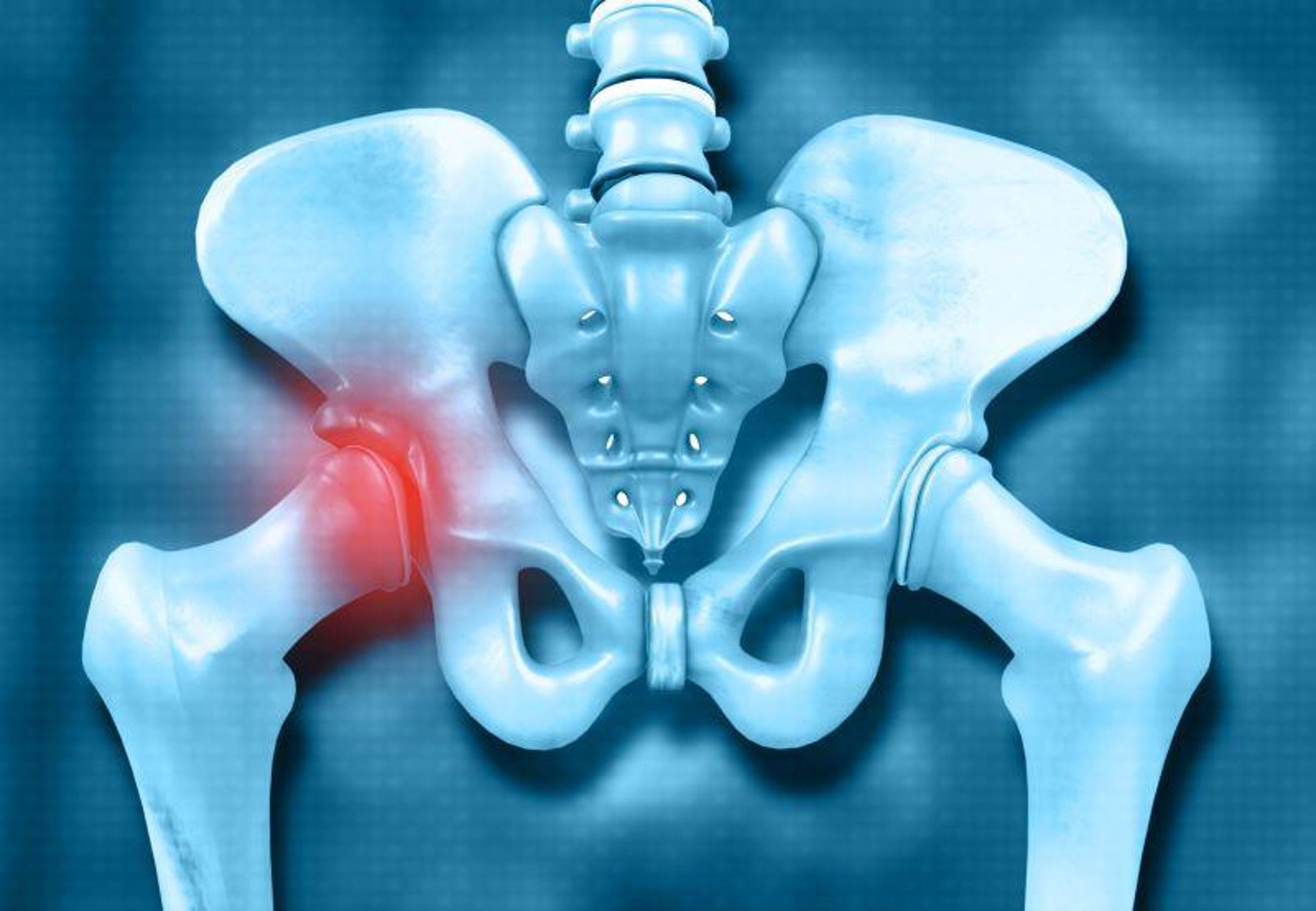
MONDAY, June 13, 2022 (HealthDay News) — Severe pain is common after hip fracture surgery, and spinal anesthesia is associated with greater pain in the first 24 hours after surgery, according to a study published online June 14 in the Annals of Internal Medicine.
Mark D. Neuman, M.D., from the University of Pennsylvania Perelman School of Medicine in Philadelphia, and colleagues compared pain, analgesic use, and satisfaction after hip fracture surgery with spinal versus general anesthesia in a preplanned secondary analysis of patients aged 50 years or older undergoing hip fracture surgery. A total of 1,600 patients (average age, 78 years) were enrolled and underwent spinal or general anesthesia.
The researchers found that 73.5 percent of the patients reported severe pain during the first 24 hours after surgery. Greater worst pain during the first 24 hours after surgery was seen with spinal anesthesia (mean difference, 0.40). At other time points, pain did not differ between the groups. At 60 days, prescription analgesic use occurred in 25 and 18.8 percent of patients assigned to spinal and general anesthesia, respectively. Across groups, satisfaction was similar.
“Our findings add to available data on patient experiences after spinal versus general anesthesia for hip fracture surgery,” the authors write. “Clinicians and policymakers should prioritize efforts to improve pain care after hip fracture surgery.”
Abstract/Full Text (subscription or payment may be required)
 Implant, Patient Survival Do Not Differ for Robotic and Conventional Total Joint Replacement
  Physical Therapist-Supervised Exercise Improves Outcomes After ACL Reconstruction
  Early Complications Common in Older Kidney Transplant Recipients
  Myeloma Risk Modestly Increased in Adults With Incidentally Detected Vertebral Fracture
  Lower Cognitive Functioning During 60s Linked to Subsequent Stroke Risk
  Nearly 1 in 10 Older Adults Used Cannabis in the Past Year
  Polypharmacy of Prescription Medications Increased for U.S. Older Adults
  Lower Vertebral Bone Mineral Density Linked to Cognitive Decline


.jpg)

