


For all BMI/sex groups, initiating colonoscopy at 45 years or annual FIT at 40 years is cost-effective at threshold of $100,000/QALY
THURSDAY, Aug. 11, 2022 (HealthDay News) — Initiating colonoscopy every 10 years (Colo10) at age 45 years or an annual fecal immunochemical test (FIT) at 40 years is cost-effective for all body mass index (BMI) and sex groups, according to a study published online Aug. 4 in Clinical Gastroenterology & Hepatology.
Aaron Yeoh, M.D., from the Stanford University School of Medicine in California, and colleagues compared colorectal cancer (CRC) screening starting at age 45 or 40 versus 50 years and/or shortening screening intervals among women and men with a body mass index (BMI) ranging from normal to grade III obesity. Screening strategies included Colo10, colonoscopy every five years (Colo5), or annual FIT.
The researchers found that sex-specific total CRC deaths were similar for persons with overweight and obesity I to III without screening, reflecting the counterbalance of increased CRC risk by lower life expectancy with increasing BMI. Colo10 starting at 45 years or FIT starting at 40 years were cost-effective at a threshold of $100,000/quality-adjusted life-year (QALY) gained for all BMI/sex groups. Among men with obesity II and III only, Colo10 starting at 40 years was cost-effective at $93,300 and $80,400/QALY gained, respectively. The preference was always for shifting Colo10 to an earlier starting age rather than Colo5 starting at later ages. In a sensitivity analysis, results were robust.
“Our findings have implications for CRC screening in obese persons specifically, as well as generalizable lessons for CRC screening tailored to risk,” the authors write.
One author disclosed financial ties to the biotechnology and medical device industries.
Abstract/Full Text (subscription or payment may be required)
 Surveillance Colonoscopy at Five Years After Adenoma Removal Noninferior to Three Years
  Family History of CRC Increases CRC Risk Similarly in IBD, General Population
 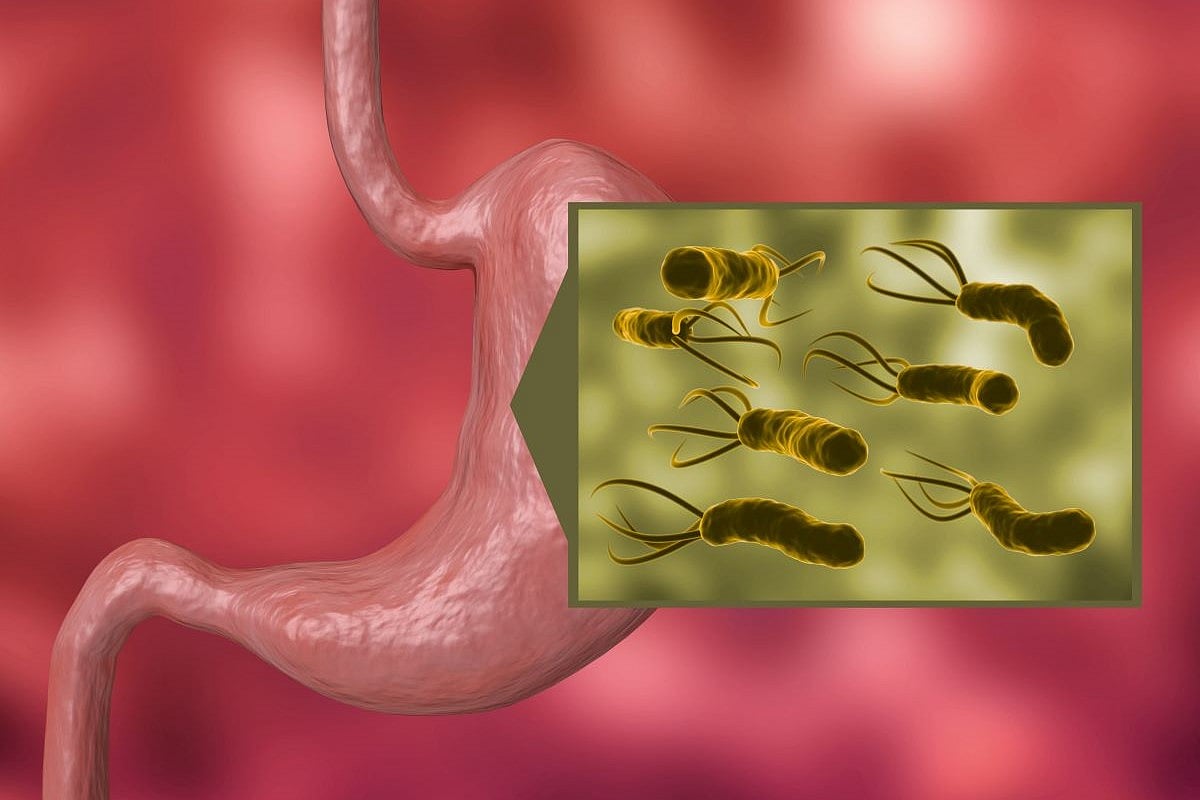 H. Pylori Exposure May Contribute to Global Burden of Colorectal Cancer
  Lower Breast, Cervical Cancer Screening Seen for Adults With Disabilities
  Gap Found Between Awareness of Breast Cancer Risk and Risk-Reducing Behavior
  Pre-Prostate Biopsy MRI Use Increased From 2017 to 2026
  Exercise Intervention Linked to Improved Attention, Memory in Breast Cancer
  Dense Breast Notification Linked to Increase in Use of Supplemental Ultrasound
 .jpg)




