


African Americans reporting high versus low goal-striving stress scores more likely to experience RKFD
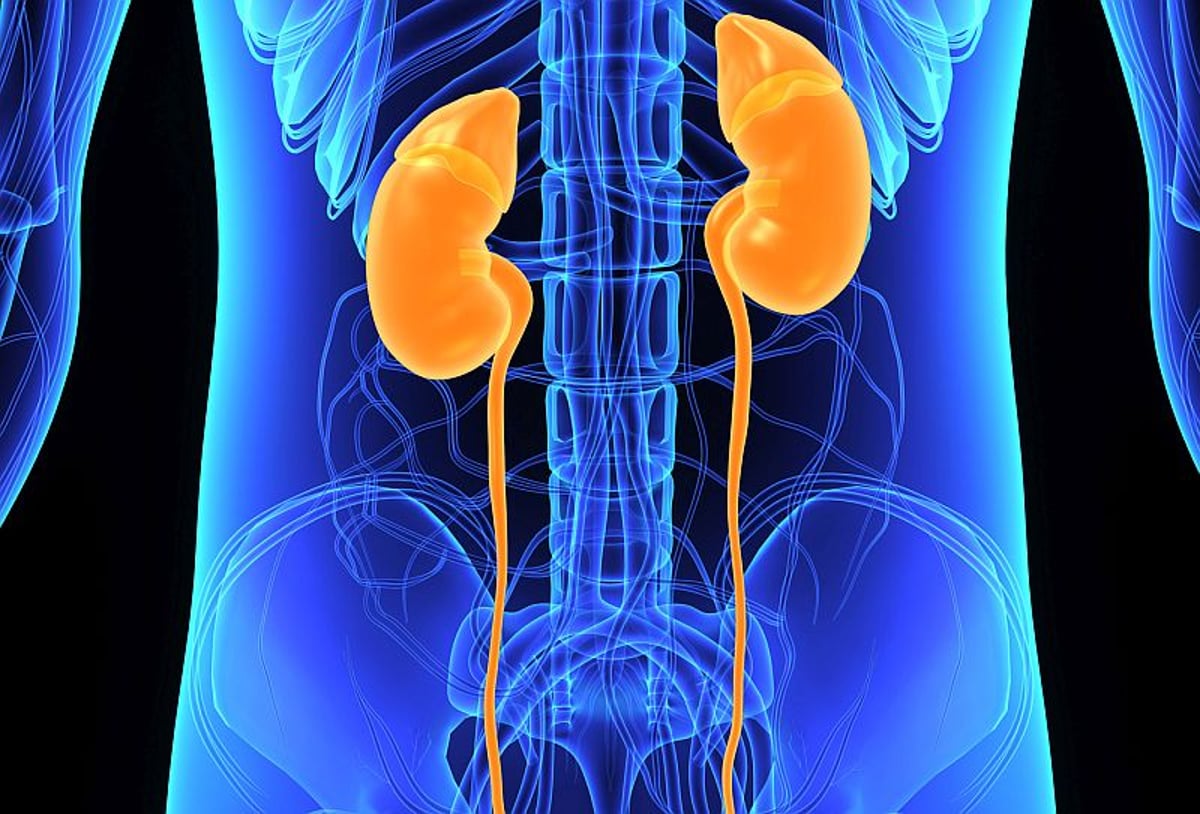
TUESDAY, Dec. 22, 2020 (HealthDay News) — Stress related to not achieving goals is associated with a greater risk for rapid kidney function decline (RKFD) in African Americans, according to a study published online Dec. 17 in the Journal of Investigative Medicine.
Loretta Cain-Shields, Ph.D., M.P.H., from the University of Mississippi in Jackson, and colleagues explored the association between goal-striving stress (GSS) and RKFD among 2,630 African Americans using data from the Jackson Heart Study (2000 to 2004 and 2009 to 2013).
The researchers found that the incidence of RKFD in this sample was 7.34 percent during a mean 8.06 years of follow-up. The mean GSS was 3.80, with the total GSS score ranging from 0 to 36. After full adjustment, those who reported high versus low GSS scores were more likely to experience RKFD (incidence rate ratio, 1.60). When adding cortisol to the model, those who reported high GSS had 1.58 times the rate of RKFD as participants reporting low GSS scores (incidence rate ratio, 1.58).
“Researchers and clinicians should continue to explore nontraditional risk factors in an effort to explain and prevent racial disparities in kidney disease,” the authors write.
Abstract/Full Text (subscription or payment may be required)
.jpg) Pregnancy Complications Linked to Subsequent Risk for Cardiometabolic-Renal Conditions
Pregnancy Complications Linked to Subsequent Risk for Cardiometabolic-Renal Conditions  Pre-Prostate Biopsy MRI Use Increased From 2017 to 2026
  GLP-1 Receptor Agonists, SGLT-2is Slow Renal Function Decline in T2D With Albuminuria
  Early Complications Common in Older Kidney Transplant Recipients
  Implant, Patient Survival Do Not Differ for Robotic and Conventional Total Joint Replacement
  Physical Therapist-Supervised Exercise Improves Outcomes After ACL Reconstruction
 .jpeg) 1997 to 2022 Saw Increase in Pediatric Hospitalizations With AKI
1997 to 2022 Saw Increase in Pediatric Hospitalizations With AKI  Frailty Linked to Incident Cognitive Decline in Men With CKD




.jpg)