


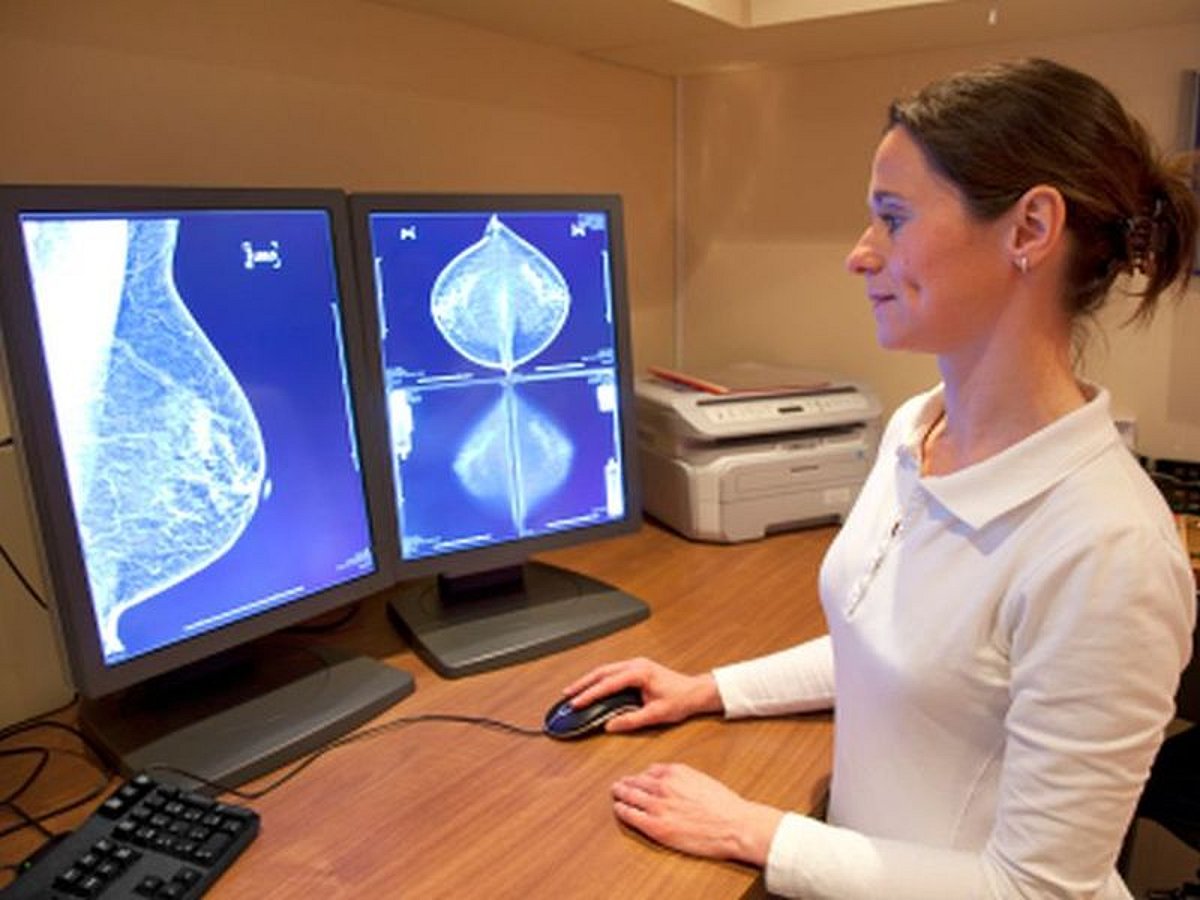
 Benefits of DBT seen in women with heterogeneously dense breasts, scattered fibroglandular density
THURSDAY, July 30, 2020 (HealthDay News) — Improvements in recall rates and cancer detection rates with digital breast tomosynthesis (DBT) versus digital mammography (DM) are greatest on baseline examinations, according to a study published online July 28 in JAMA Network Open.
Kathryn P. Lowry, M.D., from the University of Washington in Seattle, and colleagues compared DM and DBT performance in a study with 1,584,079 screening examinations of women aged 40 to 79 years undergoing screening mammography at 46 facilities from January 2010 to April 2018.
The researchers found that the adjusted differences in DM versus DBT performance were largest on baseline examinations; for example, for women aged 50 to 59 years, per 1,000 baseline examinations, recall rates decreased from 241 examinations for DM to 204 for DBT (relative risk, 0.84), while cancer detection rates increased from 5.9 to 8.8 (relative risk, 1.50). Women aged 40 to 79 years with heterogeneously dense breasts had improved recall rates and improved cancer detection on subsequent examinations; among women aged 50 to 59 years, the number of recall examinations decreased from 102 to 93 per 1,000 examinations with DM and DBT, respectively (relative risk, 0.91), while cancer detection increased from 3.7 to 5.3 (relative risk, 1.42). No improvements in recall or cancer detection were seen for women with extremely dense breasts.
“Our results provide guidance for women and physicians making decisions regarding use of DBT for routine screening,” the authors write.
Several authors disclosed financial ties to the biopharmaceutical and medical technology industries.
 Gap Found Between Awareness of Breast Cancer Risk and Risk-Reducing Behavior
 Exercise Intervention Linked to Improved Attention, Memory in Breast Cancer
 Dense Breast Notification Linked to Increase in Use of Supplemental Ultrasound
 Mammography Trials Yield Excess-Incidence Patterns Consistent With Low Overdiagnosis
 Lower Breast, Cervical Cancer Screening Seen for Adults With Disabilities
 Alcohol-Attributable Cancer Mortality Has Increased Significantly in the U.S.
 Chemo-Free Combo of Four Targeted Therapies Shows Promise in Metastatic Breast Cancer
 AMH Predicts Benefit of Chemo + Endocrine Therapy in Under 55s With Breast Cancer
.jpg)




