30 percent reduction in processed meat intake would lead to 352,900 fewer occurrences of T2DM, 92,500 fewer occurrences of CVD
MONDAY, July 29, 2024 (HealthDay News) — Reductions in processed meat and unprocessed red meat consumption could result in fewer occurrences of type 2 diabetes, cardiovascular disease, colorectal cancer, and all-cause deaths, according to a study published in the July issue of The Lancet Planetary Health.
Joe Kennedy, Ph.D., from the University of Edinburgh in the United Kingdom, and colleagues developed a microsimulation model to estimate how reductions in processed meat and unprocessed red meat could affect the rates of type 2 diabetes, cardiovascular disease, colorectal cancer, and mortality in U.S. adults. A total of 8,665 individual respondents were included in the simulated population, representing 242 million U.S. adults.
The researchers estimated that a reduction of 30 percent in processed meat intake alone could result in 352,900; 92,500; and 53,300 fewer occurrences of type 2 diabetes, cardiovascular disease, and colorectal cancer, respectively, and 16,700 fewer all-cause deaths during a 10-year period. A 30 percent reduction in unprocessed red meat intake alone could lead to 732,600; 291,500; and 32,200 fewer occurrences of type 2 diabetes, cardiovascular disease, and colorectal cancer, respectively, and 46,100 fewer all-cause deaths. A 30 percent reduction in both processed meat and unprocessed red meat intake could result in 1,073,400; 382,400; and 84,400 fewer occurrences of type 2 diabetes, cardiovascular disease, and colorectal cancer, respectively, and 62,200 fewer all-cause deaths during a 10-year period.
“Although the USA has not yet adopted a meat-reduction target and no policies are currently in place with the explicit aim of reducing meat intake, many national and international organizations have called for such reductions,” the authors write.
 Surveillance Colonoscopy at Five Years After Adenoma Removal Noninferior to Three Years
  Study IDs Risk Factors for Ketoacidosis in Adults With T2D Receiving SGLT2 Inhibitors
  Family History of CRC Increases CRC Risk Similarly in IBD, General Population
 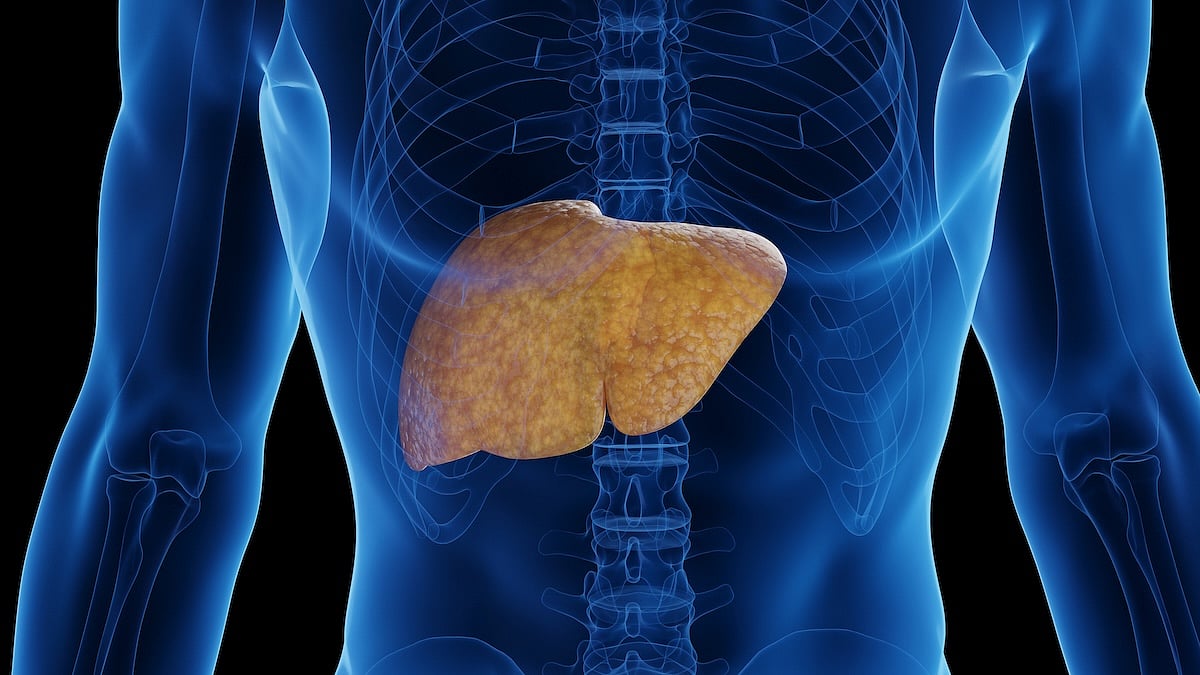 Genetics, Diabetes Tied to MASLD-Associated Cirrhosis Before Age 50
  Cirrhosis Can Recur After Liver Transplant
 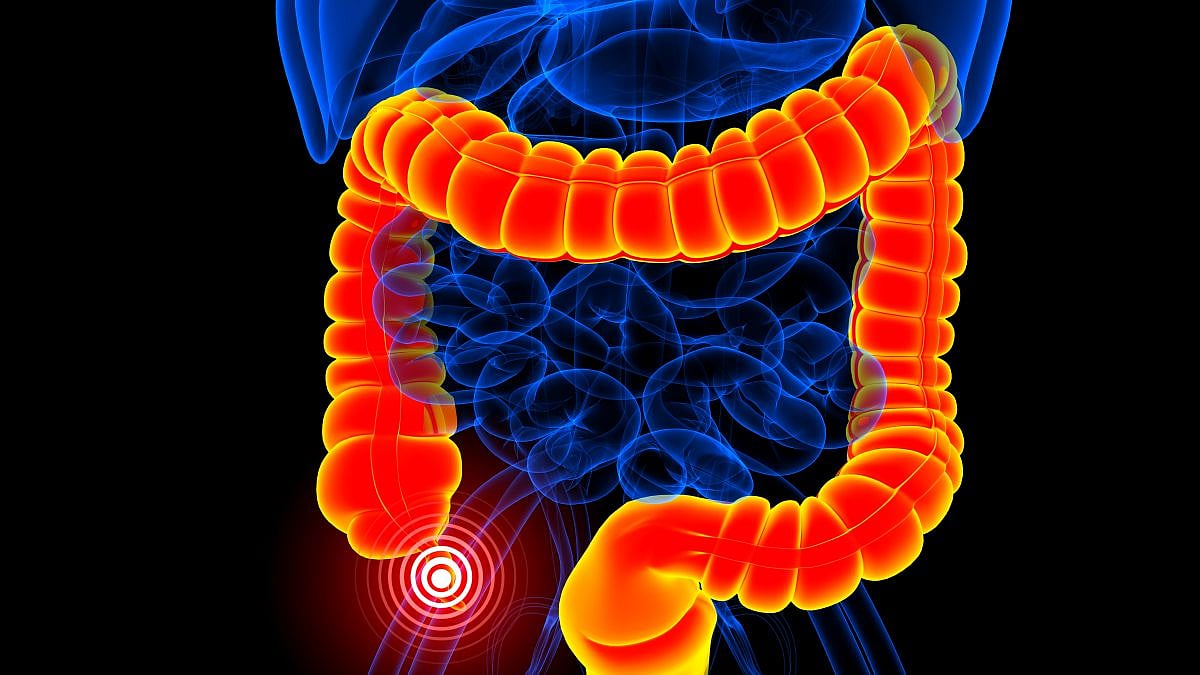 Relapse Rare After Appendiceal Adenocarcinoma Resection
  Long-Term Medication Adherence Tied to Lower Cardiovascular Event Rate in Type 2 Diabetes
  Study IDs Dementia Risk Factors in Those Older Than 90 Years