


Metabolic dysfunction-associated steatotic liver disease has similar outcomes to alcohol-related liver disease
TUESDAY, Aug. 6, 2024 (HealthDay News) — Metabolic dysfunction-associated steatotic liver disease (MASLD)-related and metabolic and alcohol-related liver disease (MetALD)-related cirrhosis is responsible for one-third of cirrhosis cases seen in the intensive care unit (ICU), according to a study published online July 22 in Alimentary Pharmacology and Therapeutics.
Philippe Sultanik, M.D., Ph.D., from Sorbonne Université in Paris, and colleagues assessed the prevalence of MASLD-related cirrhosis in the ICU (January 2019 to September 2021) among 315 patients (39 with MASLD, 160 with alcohol-related liver disease [ALD], and 116 with MetALD cirrhosis).
The researchers found that patients in the MASLD group were significantly older (65 years versus 57 and 59 years, respectively) and had lower Child-Pugh (8 versus 11 and 10, respectively) and Model for End-Stage Liver Disease scores (17 versus 22 and 21, respectively). There were no differences in one-year transplant-free survival between the groups (53 percent versus 54 and 54 percent, respectively). All groups had cardiovascular mortality of less than 5 percent. The MASLD group had a significantly higher one-year probability of developing hepatic encephalopathy (73 percent versus 27 and 21 percent, respectively).
“MASLD or MetALD was responsible for one-third of the causes of cirrhosis in the ICU,” the authors write. “MASLD-related cirrhosis is as severe as ALD-related cirrhosis. Liver transplantation should be rapidly discussed.”
 Withdrawal From Medetomidine Increasingly Seen in ICUs
  Steatotic Liver Disease Risk Scores Compared for Predicting Cirrhosis
 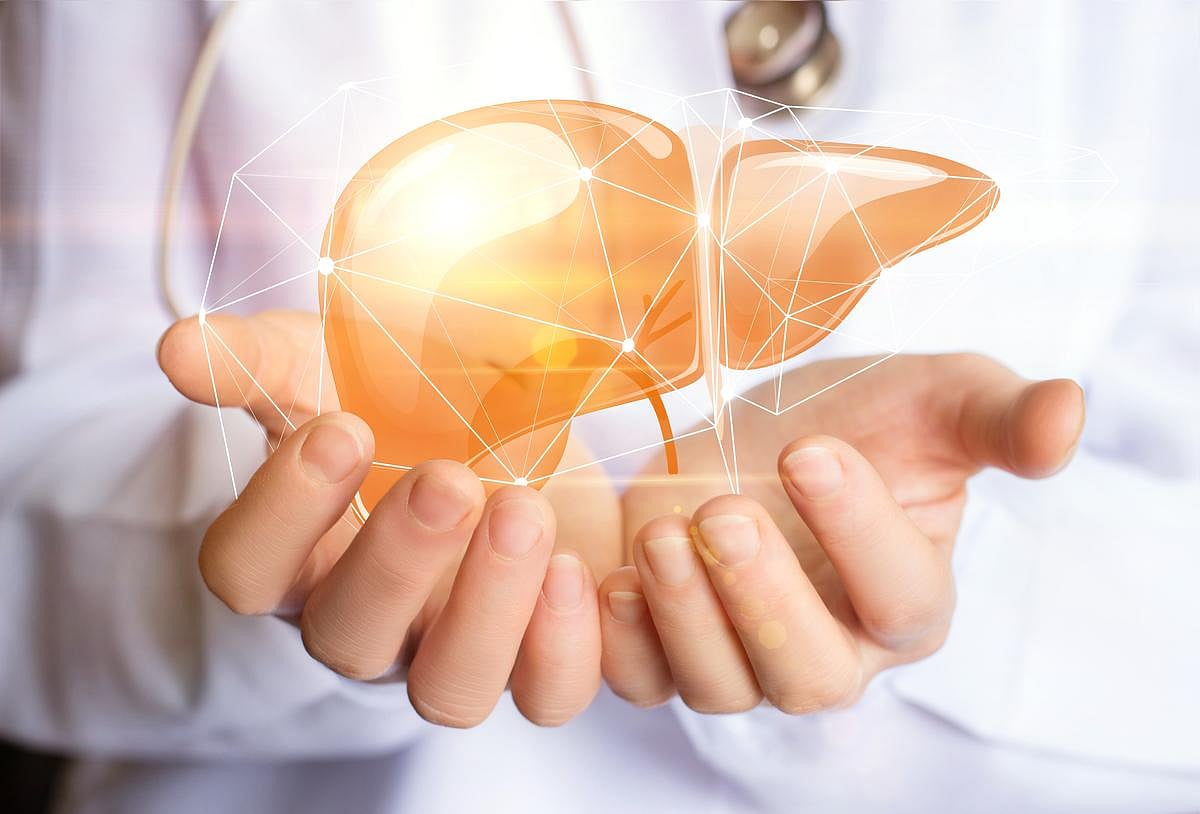 Cirrhosis Can Recur After Liver Transplant
 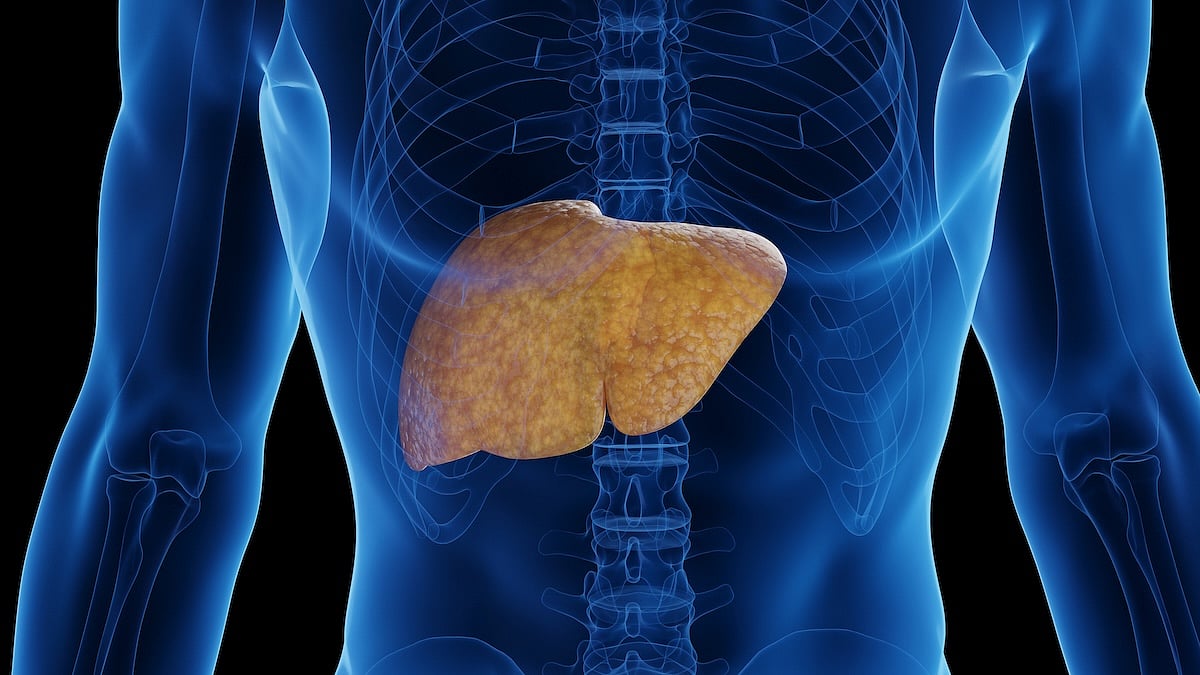 Genetics, Diabetes Tied to MASLD-Associated Cirrhosis Before Age 50
  GLP-1 Receptor Agonists, SGLT-2is Slow Renal Function Decline in T2D With Albuminuria
 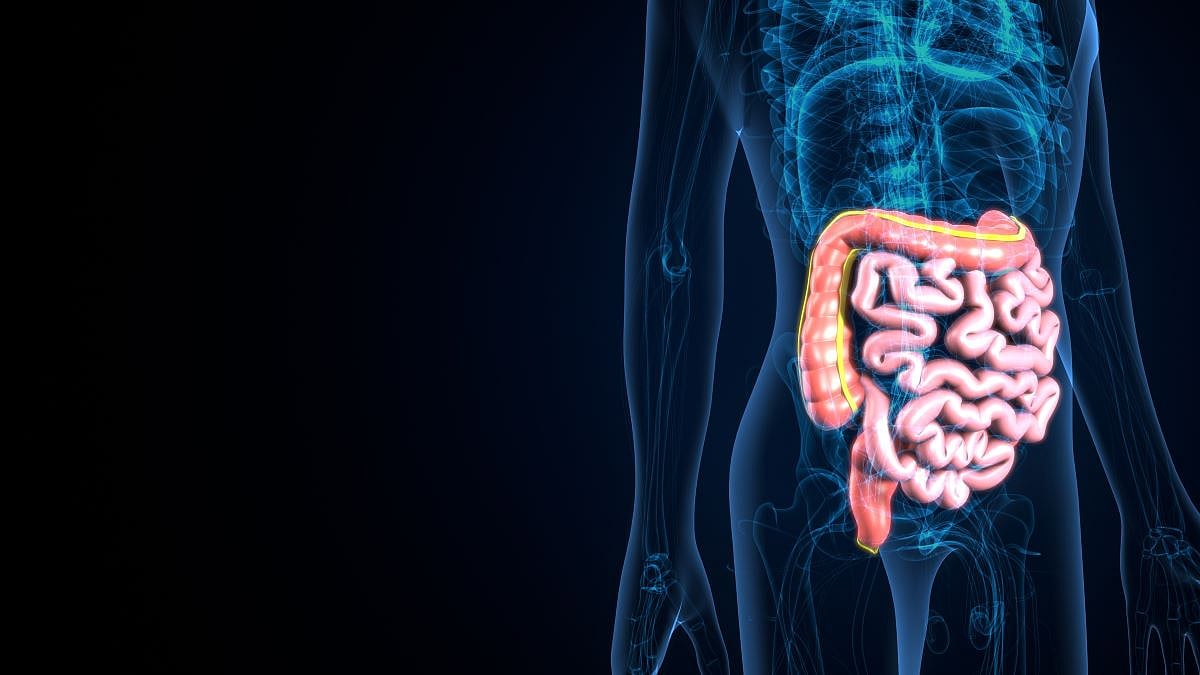 Family History of CRC Increases CRC Risk Similarly in IBD, General Population
  Study IDs Risk Factors for Ketoacidosis in Adults With T2D Receiving SGLT2 Inhibitors
 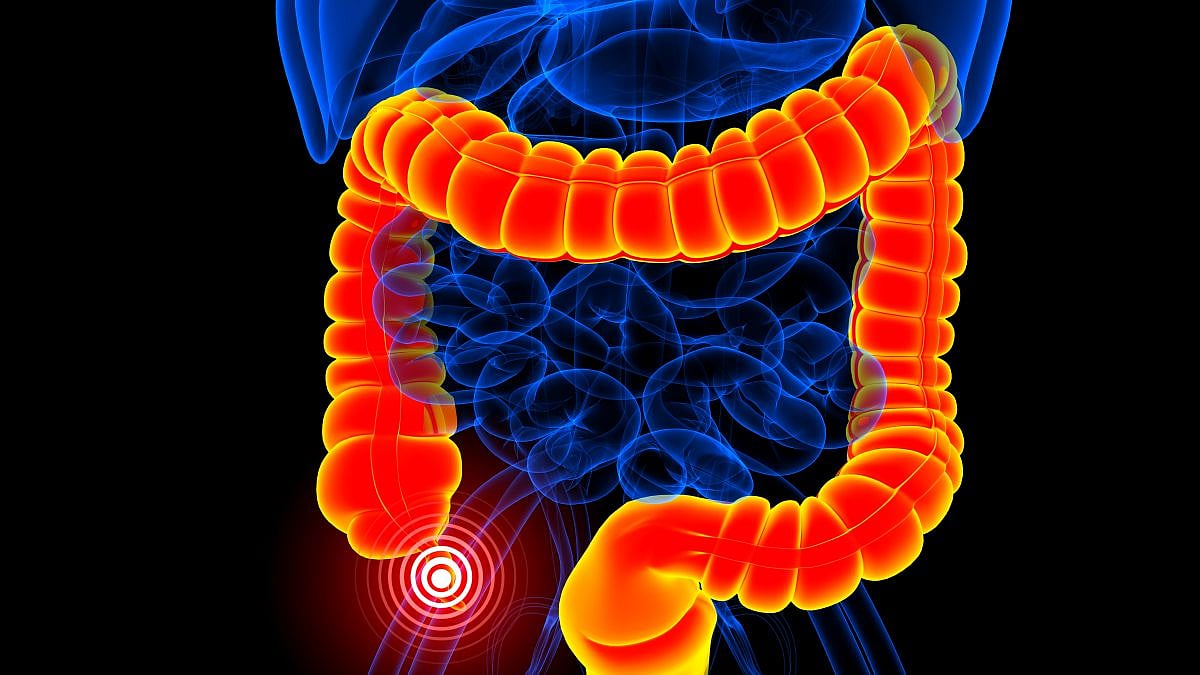 Relapse Rare After Appendiceal Adenocarcinoma Resection


.jpg)

