



Authors say better communication about the vaccines” benefits are needed
TUESDAY, Feb. 10, 2026 (HealthDay News) — More than four in 10 people older than 50 years (42 percent) have not gotten either a flu or COVID-19 vaccine, according to the results of a survey conducted by the University of Michigan National Poll on Healthy Aging.
The survey, conducted online and by phone from Dec. 29, 2025, to Jan. 13, 2026, included responses from 2,964 U.S. adults ages 50 to 98 years.
According to the poll results, 29 percent of respondents received both flu or COVID-19 vaccines, 27 percent received just the updated flu shot, and 42 percent received neither. The percentage receiving only the flu vaccine was higher across all age groups. Uptake was also consistently highest for the oldest adults (75 years and older: 76 percent received flu and 46 percent received COVID-19). For the COVID-19 vaccine, 49 percent of the surveyed older adults said it has been more than a year since their last dose, and 15 percent said they never received it. The most common reasons for not having received the vaccines were as follows: not thinking they need it (28 percent of those not receiving a flu vaccine and 29 percent not receiving a COVID-19 vaccine), worries about side effects (19 and 27 percent, respectively), and not thinking the vaccines are effective (18 and 19 percent, respectively).
“These findings suggest that we must do a much better job helping people in their 50s and up understand that they will benefit from getting these updated vaccines each year, that the vaccine side effects are mild and short-lived, and that even if they later get infected and develop symptoms, vaccination means they won’t get as sick,” Jeffrey Kullgren, M.D., M.P.H., the poll”s director, said in a statement.
 Lower Cognitive Functioning During 60s Linked to Subsequent Stroke Risk
  Polypharmacy of Prescription Medications Increased for U.S. Older Adults
 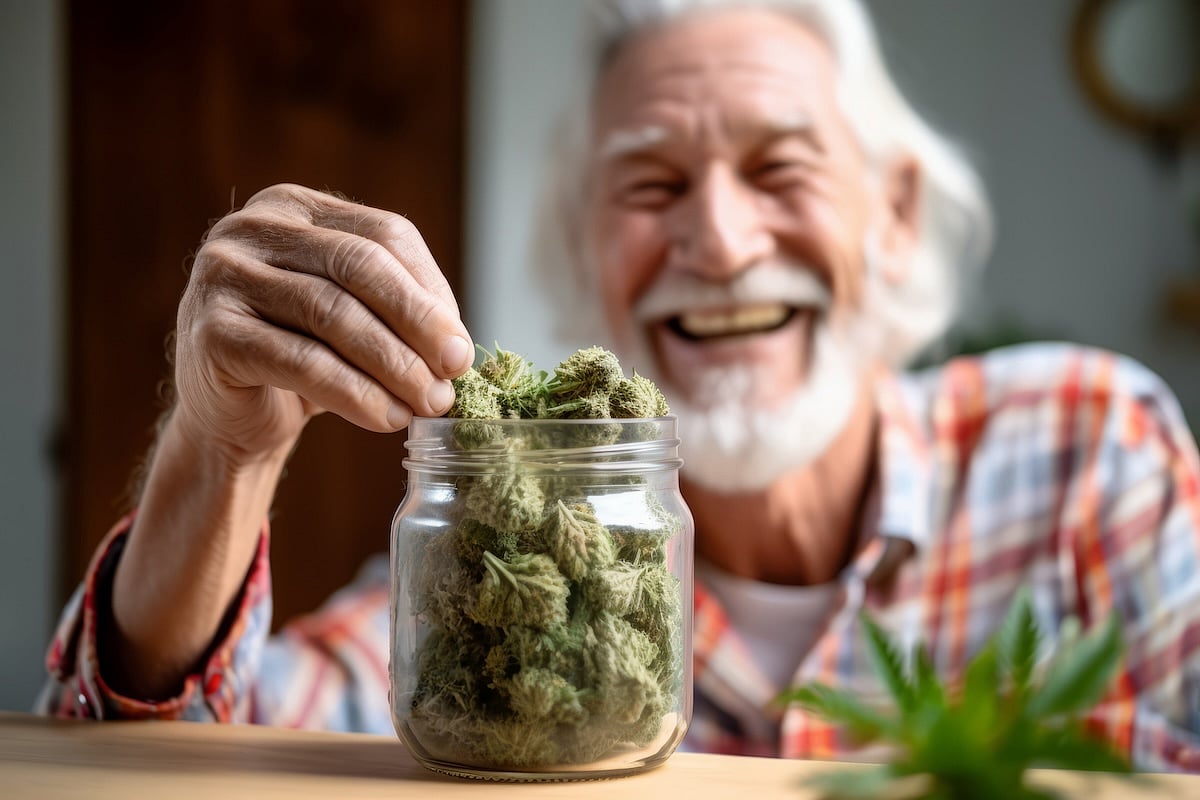 Nearly 1 in 10 Older Adults Used Cannabis in the Past Year
  Lower Vertebral Bone Mineral Density Linked to Cognitive Decline
  Age-, Joint-Specific Ultrasound Reference Values Set for Healthy Joints
 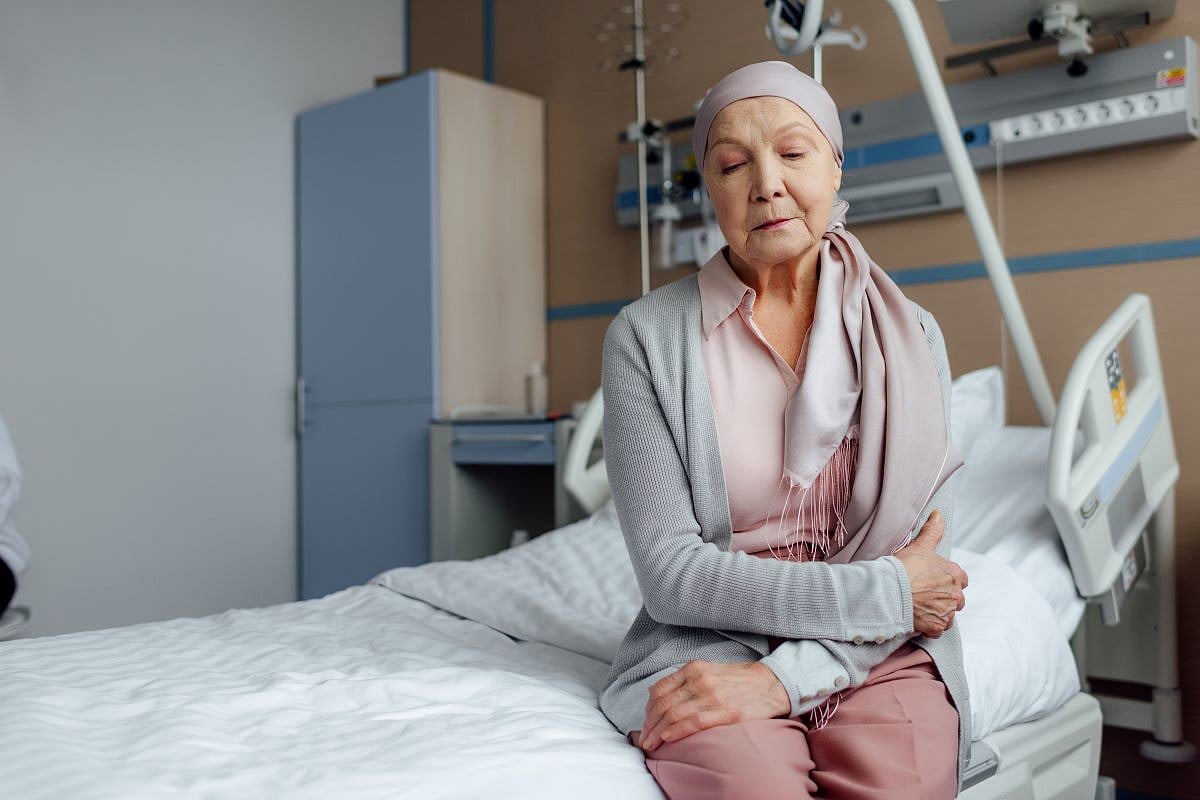 Pharmacist-Led Med Review Improves Medication Quality in Older Patients With Cancer
 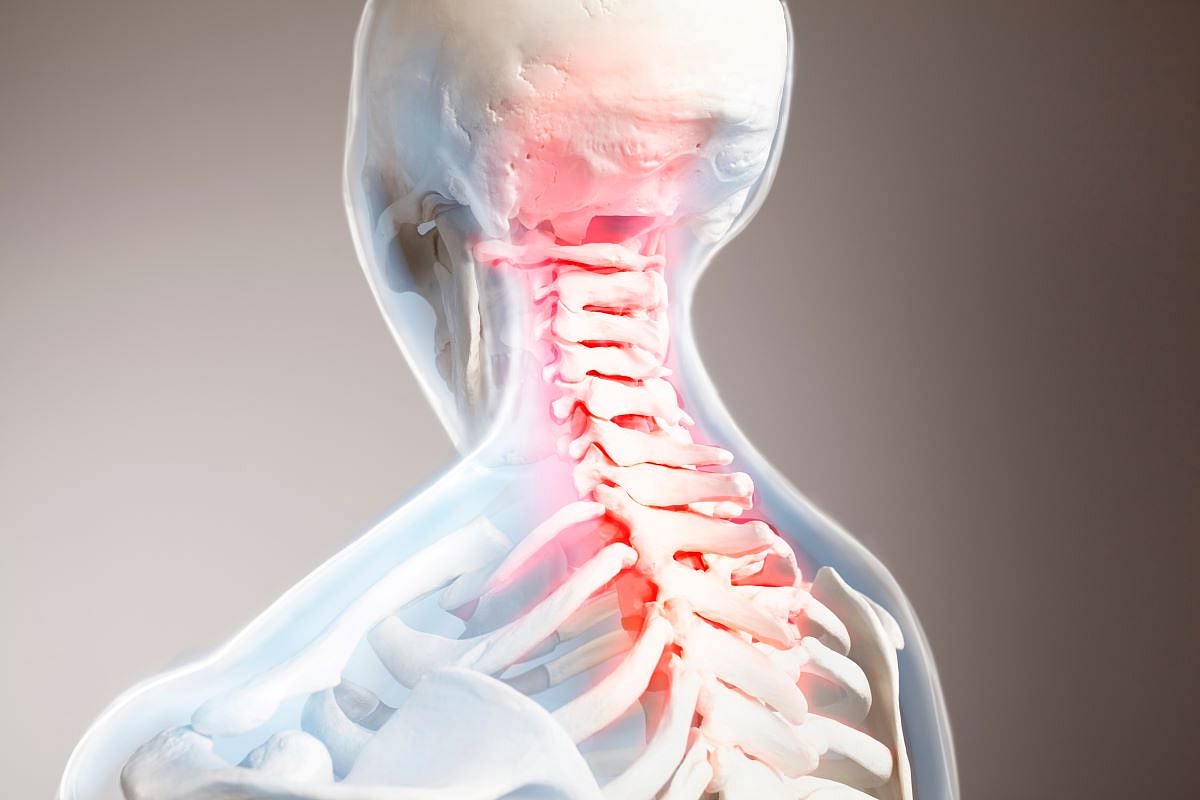 Myeloma Risk Modestly Increased in Adults With Incidentally Detected Vertebral Fracture
  Nearly 3 in 4 Older Adults Express Interest in Vaccine to Prevent Dementia
 .jpg)




