


Significantly greater decreases seen in HbA1c levels, LDL-C levels, and systolic BP for team-based care with versus without CDSS
TUESDAY, Dec. 6, 2022 (HealthDay News) — For patients with uncontrolled type 2 diabetes and comorbid conditions, team-based care with a clinical decision support system (CDSS) significantly reduces cardiovascular risk factors compared with team-based care alone, according to a study published online Dec. 6 in the Annals of Internal Medicine.
Xiulin Shi, M.D., Ph.D., from the First Affiliated Hospital of Xiamen University in China, and colleagues conducted a cluster randomized trial in 38 community health centers in Xiamen, involving 11,132 persons aged 50 years or older with uncontrolled diabetes and comorbid conditions. Patients were randomly assigned to receive team-based care with and without a CDSS (5,475 and 5,657, respectively).
The researchers found that during the 18-month intervention, there were significant decreases observed in hemoglobin A1c (HbA1c) levels, low-density lipoprotein cholesterol (LDL-C) levels, and systolic blood pressure (BP) levels (−0.9 percent, −0.49 mmol/L, and −9.1 mm Hg, respectively) with team-based care with a CDSS and by −0.6 percent, −0.32 mmol/L, and −7.5 mm Hg, respectively, with team-based care alone (net differences, −0.2 percent, −0.17 mmol/L, and −1.5 mm Hg, respectively). In team-based care with a CDSS and team-based care alone, the proportion of patients with controlled HbA1c, LDL-C, and systolic BP was 16.9 and 13.0 percent, respectively.
“These findings support widespread adoption of this implementation strategy in community primary care settings in China and other low- and middle-income countries to reduce cardiovascular disease risk among patients with diabetes,” the authors write.
Abstract/Full Text (subscription or payment may be required)
 GLP-1 Receptor Agonists, SGLT-2is Slow Renal Function Decline in T2D With Albuminuria
 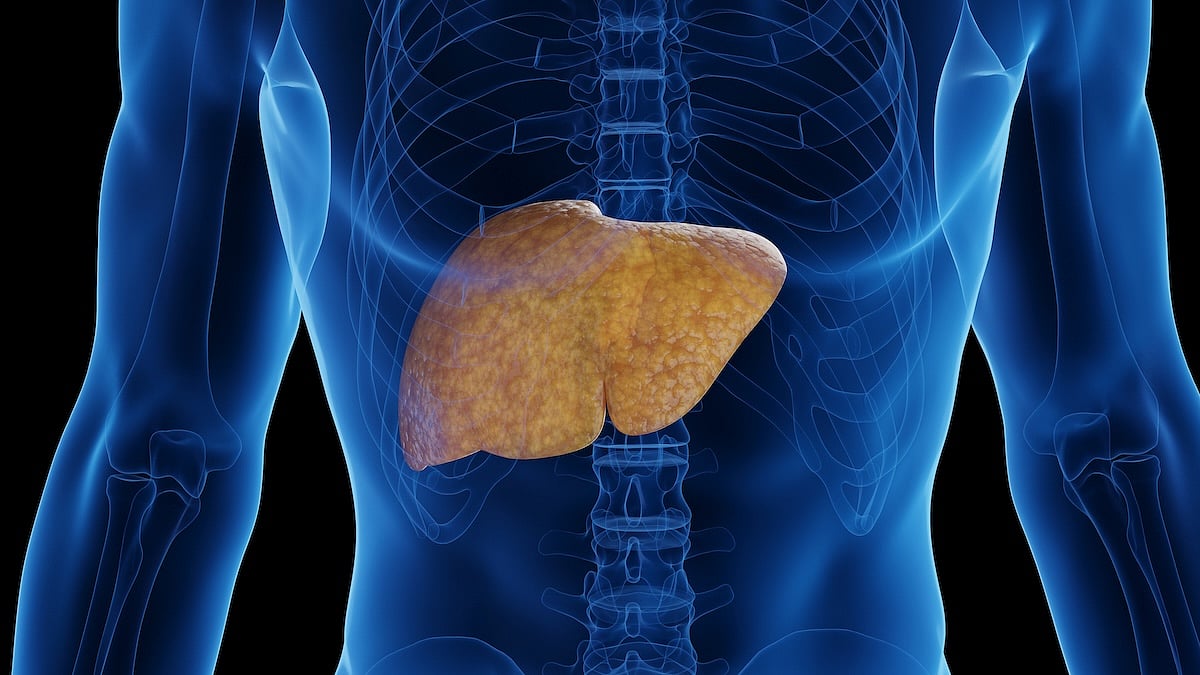 Genetics, Diabetes Tied to MASLD-Associated Cirrhosis Before Age 50
 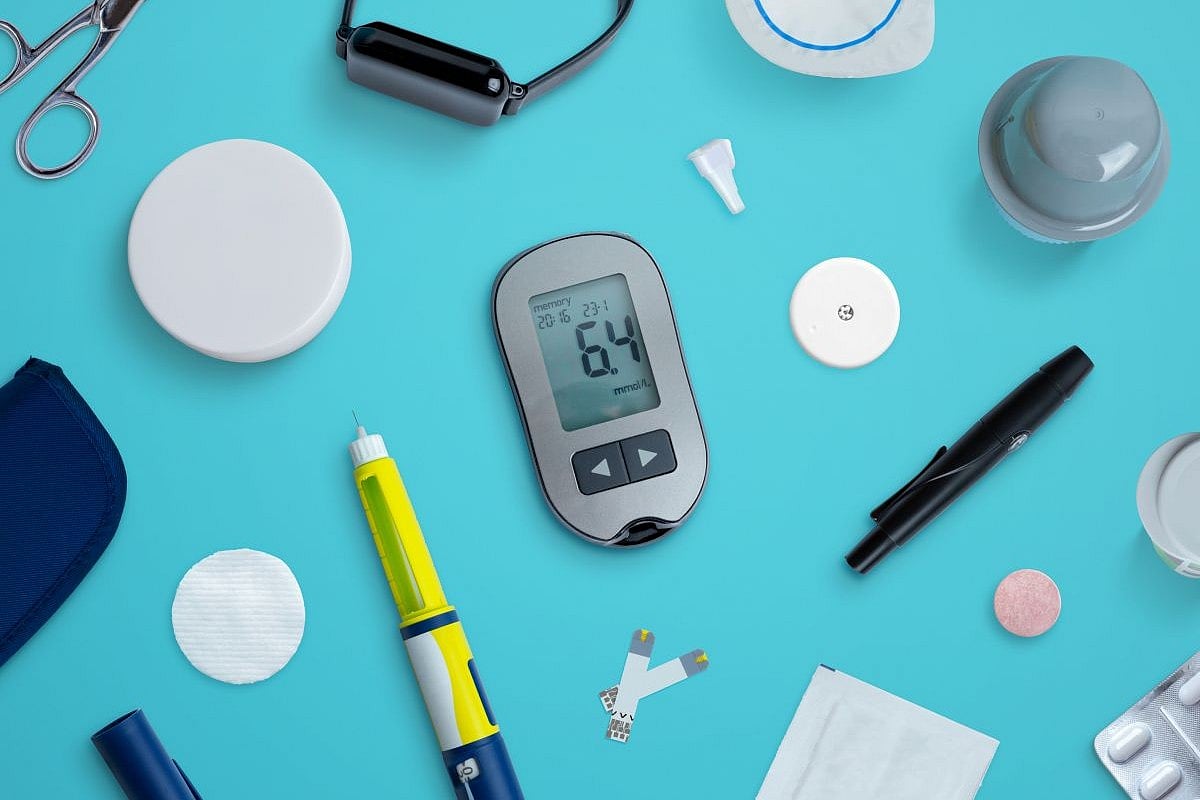 Study IDs Risk Factors for Ketoacidosis in Adults With T2D Receiving SGLT2 Inhibitors
  Long-Term Medication Adherence Tied to Lower Cardiovascular Event Rate in Type 2 Diabetes
  1 in 3 With Lupus Take Supplements, Medications With Potential for Interactions
  Holding DMARDs at Time of COVID-19 Vaccine Not Warranted in Those With Inflammatory Arthritis
  2013 to 2024 Saw Decrease in Benzodiazepine Prescribing
  Polypharmacy of Prescription Medications Increased for U.S. Older Adults

.jpg)
