Measles has sickened more than 2,400 people in the U.S. since outbreaks began
FRIDAY, Jan. 23, 2026 (HealthDay News) — After a year marked by major measles outbreaks, the United States may soon lose its status as a measles-free country, a milestone reached in 2000.
More than 2,400 people have been infected during outbreaks that began in West Texas and spread to several other states.
Despite the rising case count, a top official at the U.S. Centers for Disease Control and Prevention (CDC) said the prospect of losing that status isn”t much of a concern.
“It”s just the cost of doing business with our borders being somewhat porous for global and international travel,” Dr. Ralph Abraham, the CDC’s principal deputy director, said during a recent briefing.
“We have these communities that choose to be unvaccinated. That”s their personal freedom,” he added.
Since Jan. 20 of last year, about 90% of measles cases were spread within the U.S., not brought in from other countries, federal data show.
That marks a major shift from past years, when measles cases were usually tied to international travel and did not lead to large outbreaks because vaccination rates were high.
To keep its elimination status, the U.S. must show that measles has not spread continuously for 12 months, starting Jan. 20 of last year. Scientists are now studying whether outbreaks in Texas, South Carolina, Utah and Arizona are linked.
So far, officials have found that the same measles strain, called D8-9171, appears in each outbreak. Because that strain also circulates in Canada and Mexico, CDC researchers are now comparing entire genomes of measles viruses to see if U.S. cases are more closely related to one another than to cases abroad. Results are expected within a few months.
The final decision will be made by the Pan American Health Organization, which works with the World Health Organization.
“When you hear somebody like Abraham say “the cost of doing business,” how can you be more callous?” Dr. Paul Offit, a pediatrician and vaccine specialist, told CBS News.
“Three people died of measles last year in this country,” Offit said. “We eliminated this virus in the year 2000 — eliminated it. Eliminated circulation of the most contagious human infection. That was something to be proud of.”
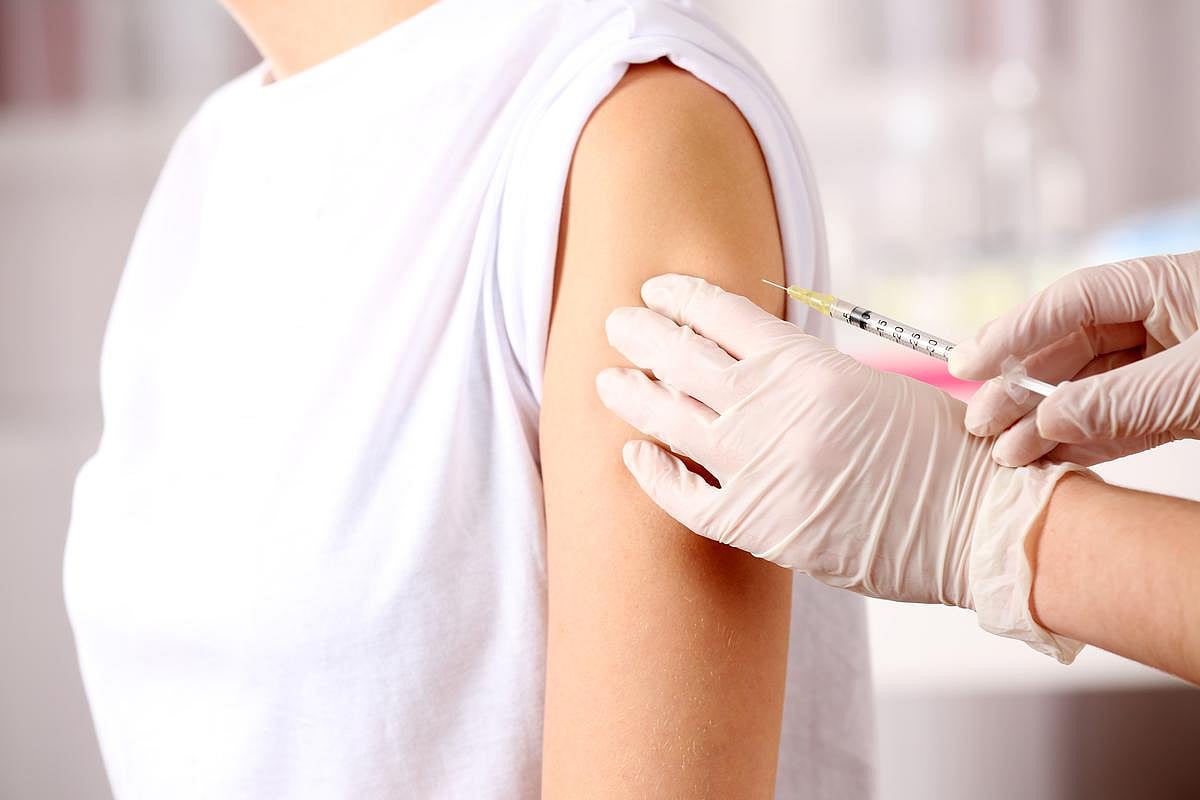
Vaccination remains the most effective way to prevent measles. Two doses of the measles, mumps and rubella (MMR) vaccine provide strong protection and help stop outbreaks. But vaccination rates have fallen in recent years.
During the 2024-25 school year, about 138,000 kindergartners nationwide received vaccine exemptions, the highest number ever recorded. Several states have loosened school vaccine requirements since 2020.
Public trust in vaccines has also been affected by mixed messaging from federal leaders. Health and Human Services Secretary Robert F. Kennedy Jr. has repeatedly questioned vaccine safety, despite decades of scientific evidence showing vaccines are safe and effective.
 Wastewater Surveillance Testing for Measles Can Guide Response
  Missing First MMR Shot Most Significant Predictor of Nonvaccination by Age 2 Years
  Measles Outbreak in Kentucky Confirmed
  Widespread Decline Seen in MMR Vaccination Rates After COVID-19
  4CMenB Vaccine Confers Modest Protection Against Gonorrhea in Teens
  AAP Releases Influenza Vaccine Recommendations for All Children 6 Months and Older
  Adverse Event Risk Not Up With Same Day COVID-19, Flu Vaccination