


Incremental cost-effectiveness ratios less than $75,000 per QALY for those with BMI ≥ 40kg/m2, diabetes, cardiovascular disease
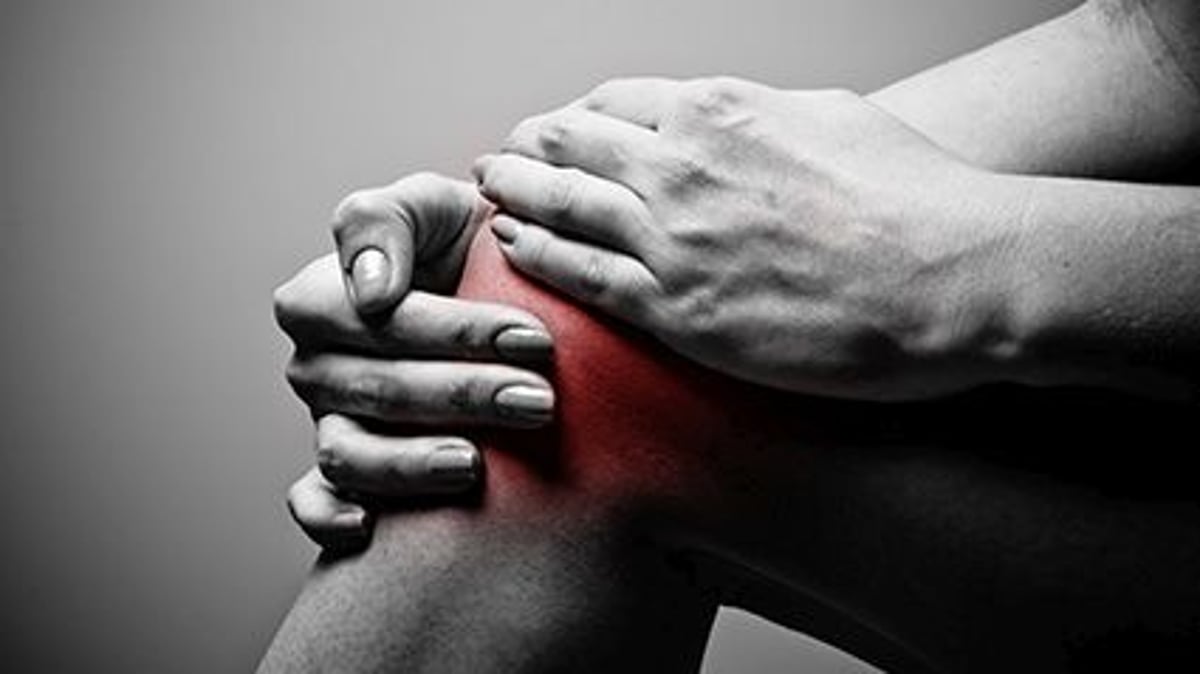
MONDAY, March 22, 2021 (HealthDay News) — Total knee replacement (TKR) seems to be good value from a cost-effectiveness perspective for patients with a body mass index (BMI) of ≥40 kg/m2, according to a study published online March 23 in the Annals of Internal Medicine.
Angela T. Chen, from Brigham and Women’s Hospital in Boston, and colleagues used a cost-effectiveness analysis to examine the value of TKR in recipients with a BMI of 40 kg/m2 or greater in the United States. Costs, quality-adjusted life years (QALYs), and incremental cost-effectiveness ratios (ICERs) were examined.
The researchers found that in the base-case analysis, among patients aged 50 to 65 years with a BMI ≥40 kg/m2, TKR increased QALYs by 0.71 year and lifetime medical costs by $25,200, resulting in an ICER of $35,200. For patients older than 65 years, TKR increased QALYs by 0.39 year and costs by $21,100, resulting in an ICER of $54,100. In the sensitivity analysis, for TKR recipients with a BMI ≥40 kg/m2 and diabetes and cardiovascular disease, ICERs were less than $75,000 per QALY. At a $55,000-per-QALY willingness-to-pay threshold, the likelihood of TKR being a cost-effective strategy for patients aged 50 to 65 years and those older than 65 years was 100 and 90 percent, respectively, in the probabilistic sensitivity analysis.
“Our analysis suggests that withholding TKR from persons with a BMI of 40 kg/m2 or greater may not be justified from an effectiveness or a cost-effectiveness perspective,” the authors write.
Abstract/Full Text (subscription or payment may be required)
 Implant, Patient Survival Do Not Differ for Robotic and Conventional Total Joint Replacement
  Physical Therapist-Supervised Exercise Improves Outcomes After ACL Reconstruction
  Early Complications Common in Older Kidney Transplant Recipients
  PET/MRI Offers Diagnostic, Prognostic Value in Pediatric Epilepsy
  Drug Interactions Reducing Contraceptive Effectiveness Common in Epilepsy
  Pre-Prostate Biopsy MRI Use Increased From 2017 to 2026
  Frequent Cannabis Use Linked to Epilepsy Severity
  Less Intraoperative Crystalloid Fluid Not Tied to Worse Surgical Outcomes


.jpg)
