



Overall incidence of treatment-related adverse events was 91.2 percent and included lymphopenia, nausea, neutropenia
MONDAY, Nov. 21, 2022 (HealthDay News) — Adverse effects associated with antibody-drug conjugates (ADCs) have been described in a review and meta-analysis published online Nov. 21 in Cancer.
Youwen Zhu, from Central South University in Changsha, China, and colleagues conducted a systematic review and meta-analysis of data obtained between Jan. 1, 2000, and June 7, 2022, to examine mechanisms of toxicity for ADCs. The primary outcome was the incidence of all-grade and grade ≥3 treatment-related adverse events. A total of 2,511 records were identified that included 169 clinical trials and 22,492 patients.
The researchers found that the overall incidence of treatment-related adverse events was 91.2 and 46.1 percent for all-grade adverse events and grade ≥3 adverse events, respectively. Lymphopenia, nausea, neutropenia, blurred vision, and peripheral neuropathy were the most common all-grade adverse events (53.0, 44.1, 43.7, 40.5, and 39.6 percent, respectively), while the most common grade ≥3 adverse events were neutropenia, hypoesthesia, thrombocytopenia, febrile neutropenia, and lymphopenia (31.2, 23.3, 22.6, 21.2, and 21.0 percent, respectively).
“Different ADCs appear to vary in their treatment-related adverse events,” one coauthor said in a statement. “Our results provide an important reference for clinicians and patients on how to address ADCs’ toxicity in clinical practice.”
 Rheumatic Immune-Related AEs With Immune Checkpoint Inhibitors More Severe Than Previously Reported
  Blinatumomab Improves Event-Free Survival in Children With High-Risk B-Cell ALL
  Study IDs Risk Factors for Ketoacidosis in Adults With T2D Receiving SGLT2 Inhibitors
 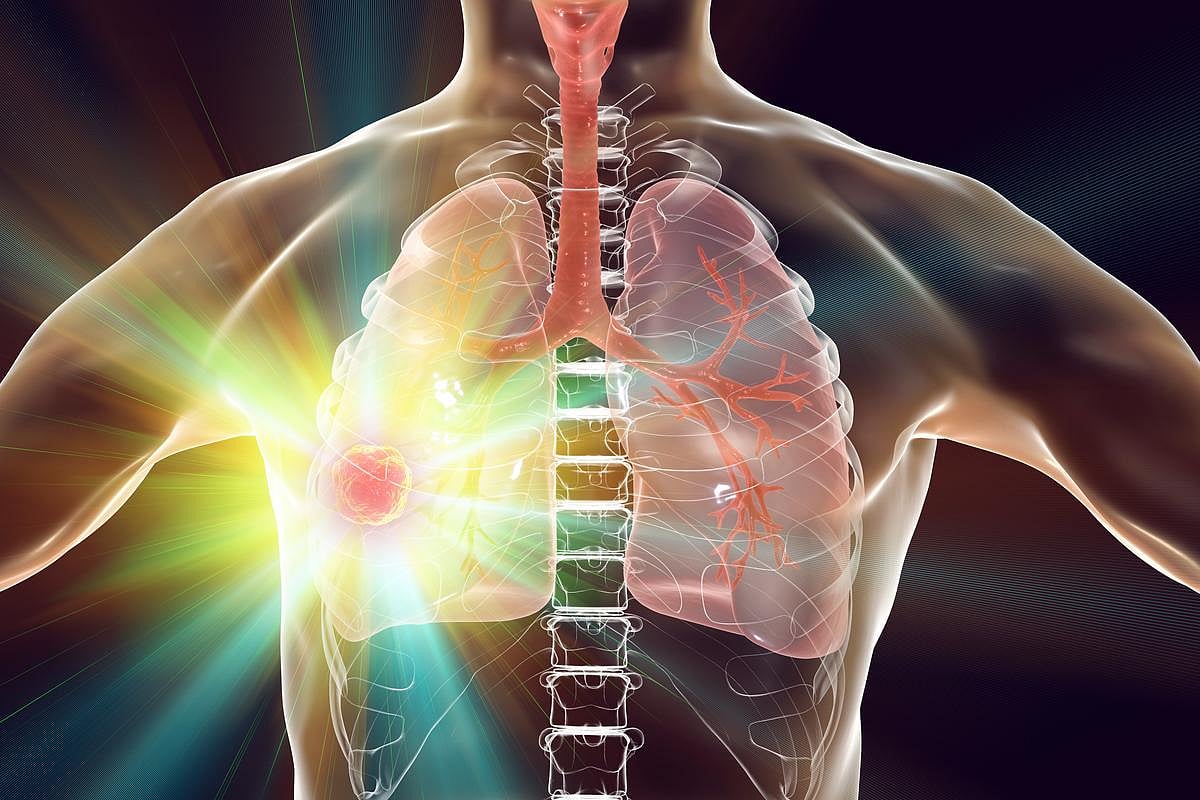 Thymic Radiation Linked to Worse Outcomes in Patients With NSCLC
 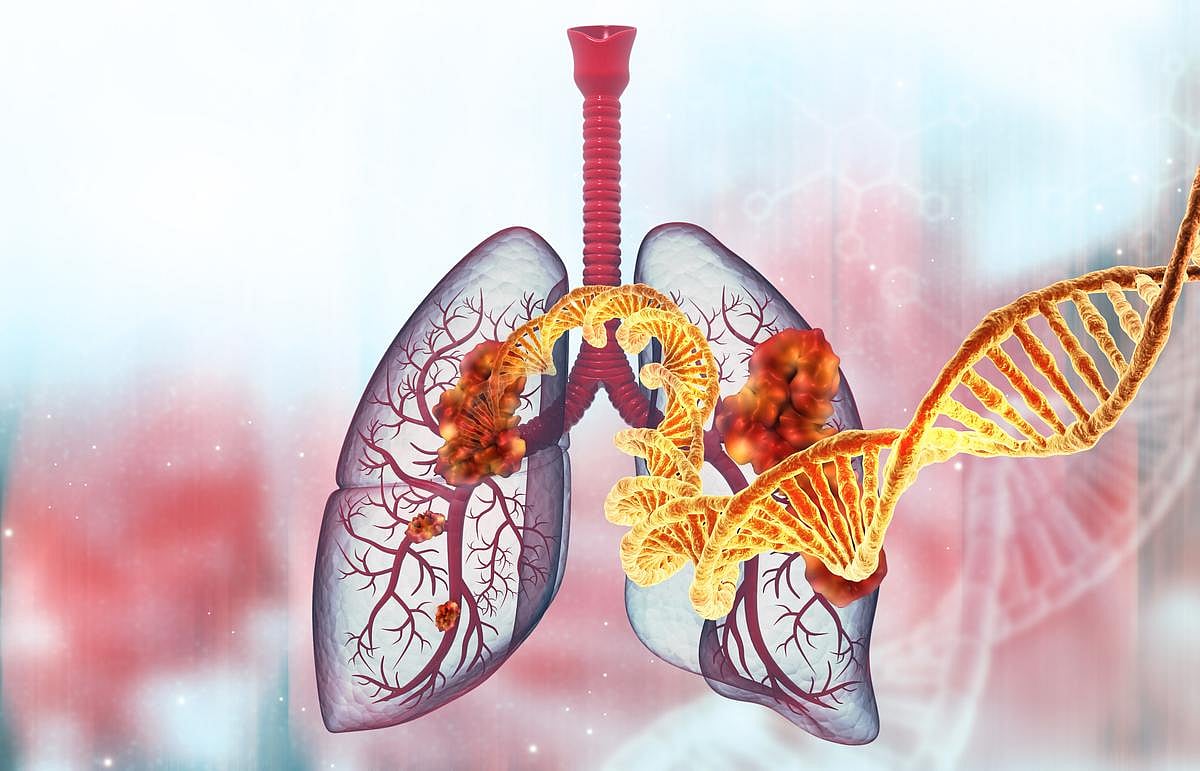 Gene Mutation Identified That Increases Lung Cancer Risk
  ASTRO Issues Guidance for Use of Radiation Therapy in Bladder Cancer
 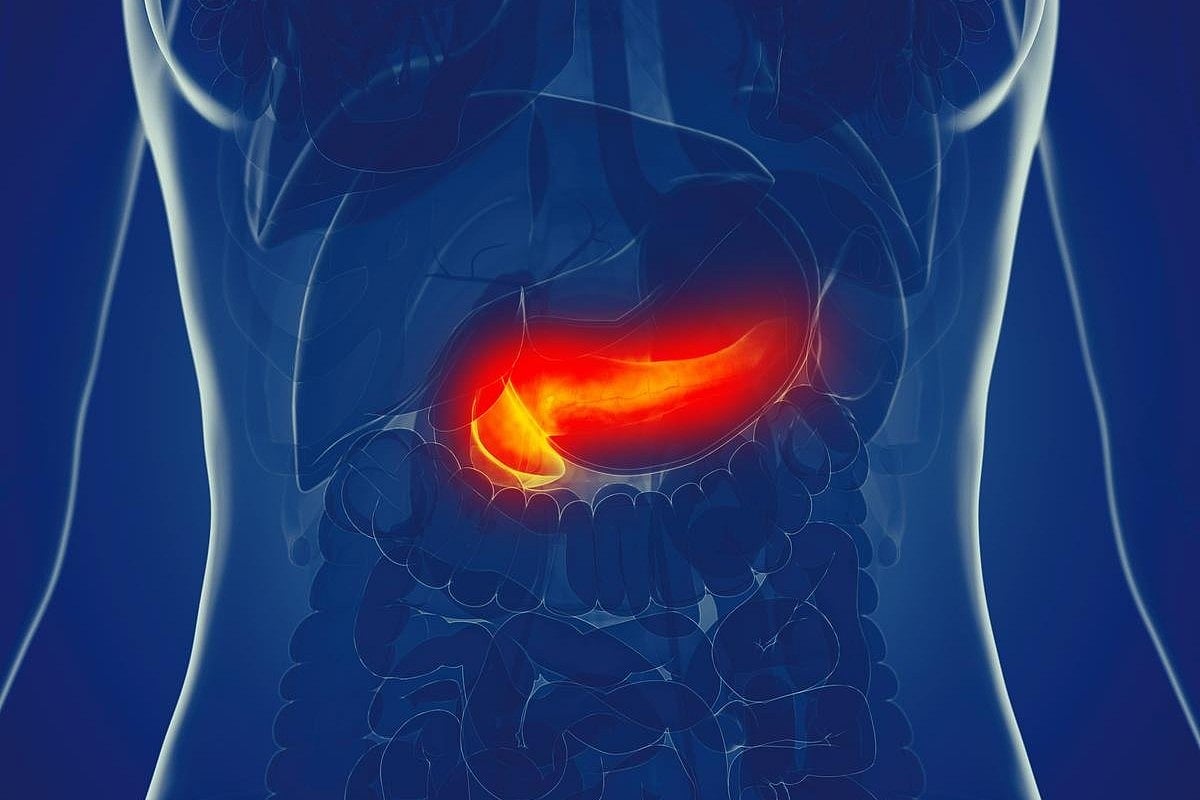 Recommendations Updated for Radiation Therapy in Pancreatic Cancer
  Aircrew Face Higher Odds of Radiation-Related Cancer Deaths


.jpg)

