


More women than men feel depressed, with lower mental component scores seen on the Short Form 36
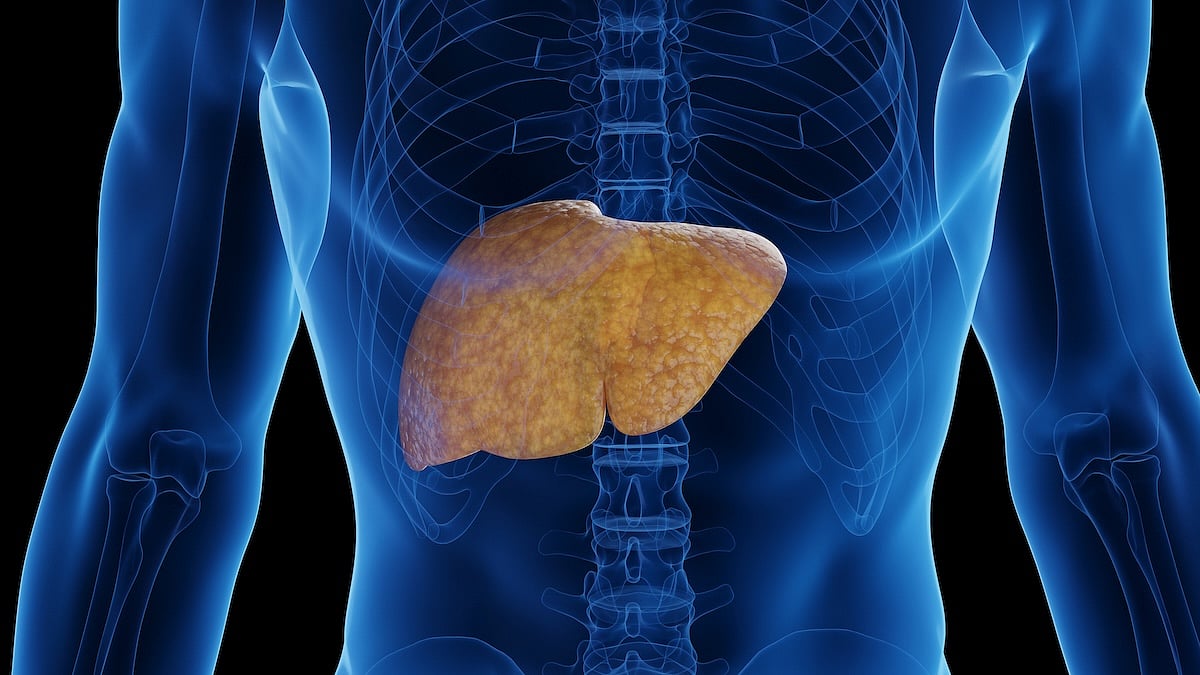
THURSDAY, Aug. 21, 2025 (HealthDay News) — Women with cirrhosis and ascites experience worse health-related quality of life (HRQoL) than men, although no difference is seen in daily function, according to a study published in the August issue of the American Journal of Gastroenterology.
Florence Wong, M.D., from the University of Toronto, and colleagues examined sex differences in perception of ascites burden and its impact on HRQoL in patients with recurrent or refractory ascites. The study included 392 men and 184 women outpatients with cirrhosis and large ascites requiring repeat large-volume paracenteses.
Similar comorbidities and cirrhosis complications, ascites duration and severity, and frailty scores were seen in both groups. The researchers found that compared with men, women had more symptoms related to their ascites (Ascites Questionnaire score, 66 ± 21 versus 60 ± 21). Feeling depressed was more common for women than men (35 versus 22 percent), and women had lower mental — but not physical — functioning components on the Short Form 36. As indicated by the Duke Status Activity Index and Godin Leisure Activity Index, women continued to conduct their daily activities as adequately as men.
“This study underscores the differences in the lived experience of women versus men with cirrhosis and highlights the need for both objective and patient-reported metrics to provide appropriate, patient-centered care for patients with cirrhosis,” the authors write. “It is not clear whether a reduced HRQoL in patients with ascites correlates with higher mortality.”
Abstract/Full Text (subscription or payment may be required)
 Genetics, Diabetes Tied to MASLD-Associated Cirrhosis Before Age 50
  2008 to 2023 Saw Shift in Causes of Cirrhosis
  Higher Coffee Consumption Linked to Favorable Indicators of Liver Health
  Mental Health Conditions May Increase Risk for Liver Cancer in Veterans With Cirrhosis
  Therapist-Led Online Cognitive Behavioral Therapy Aids Depression
  Extreme Heat Linked to 33 Clinically Reportable Diagnoses
  Bowel Urgency in Ulcerative Colitis Linked to Disease-Related Disability
  Couples" Coping Skills Help Reduce Depression in GI Cancer Survivors




.jpg)