


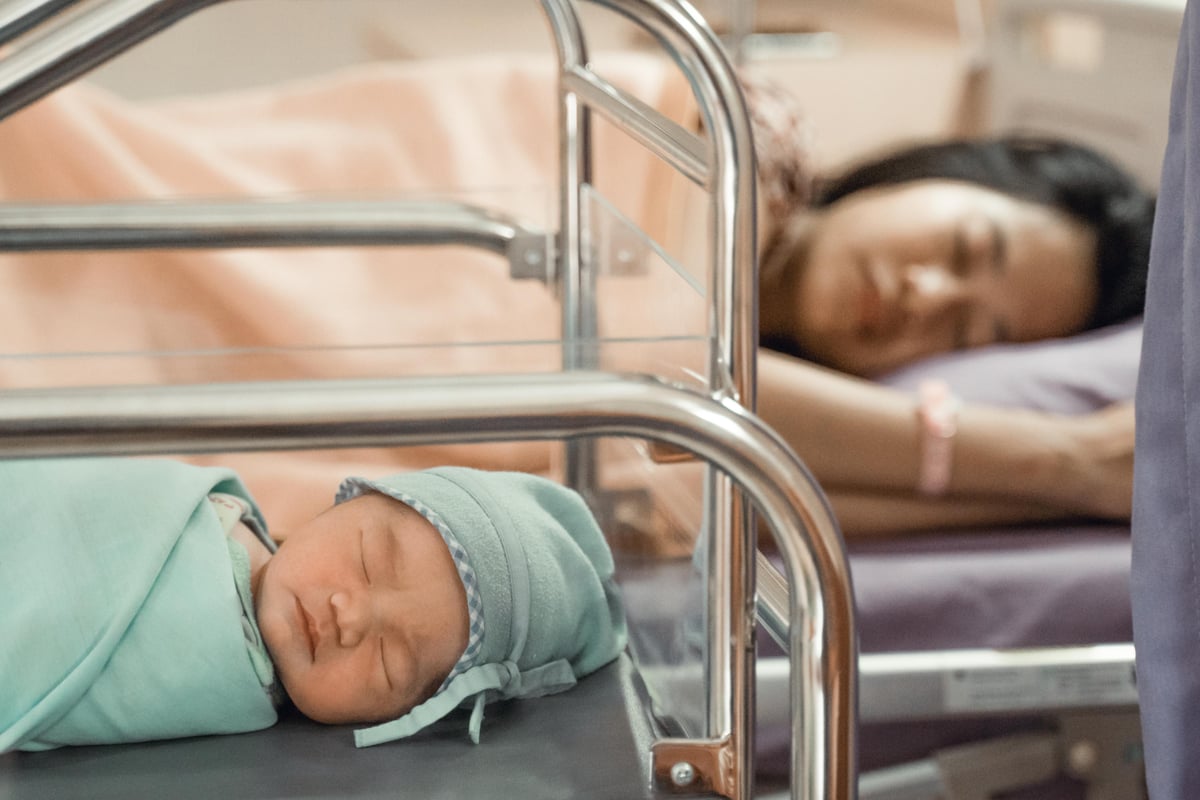
Increased risks observed for babies born to women from underserved and underrepresented racial and ethnic groups
MONDAY, Dec. 12, 2022 (HealthDay News) — In high- and upper-middle-income countries, babies born to women from underserved and underrepresented racial and ethnic groups have an increased risk for adverse perinatal outcomes, according to a study published in the Dec. 10 issue of The Lancet.
Jameela Sheikh, from the University of Birmingham in the United Kingdom, and colleagues examined the impact of race and ethnicity on perinatal outcomes in high- and upper-middle-income countries using data from 51 studies from 20 countries comprising 2,198,655 pregnancies.
The researchers found that neonatal death was significantly more likely in babies born to Black versus White women (odds ratio, 2.00), as were stillbirth, preterm birth, and being small for gestational age (odds ratios, 2.16, 1.65, and 1.39, respectively). The risk for neonatal death was significantly higher for babies of women categorized as Hispanic versus those born to White women (odds ratio, 3.34); those born to South Asian women had an increased risk for preterm birth and being small for gestational age (odds ratios, 1.26 and 1.61, respectively). Across regions, there was no variation observed in the effects of race and ethnicity on preterm birth and small-for-gestational-age babies.
“Our finding of disparities in perinatal outcomes across regions and over time in underserved racial and ethnic groups highlights the global need to address the structural, interpersonal, and internalized barriers faced by these women,” the authors write.
 Pre-Prostate Biopsy MRI Use Increased From 2017 to 2026
  Maternal Vitamin D Status Linked to Preterm Delivery
  MHT Initiation May Reduce Cardiovascular Risk in Women With Vasomotor Symptoms
  Residential Context Has Larger Impact on Ovarian Cancer Survival in Black Women
  Exercise Intervention Linked to Improved Attention, Memory in Breast Cancer
 .jpg) Cancer Survivors Have Lower Levels of Physical Activity
Cancer Survivors Have Lower Levels of Physical Activity  Childhood Cancer Survivors Often Have Mental Distress in Adulthood
 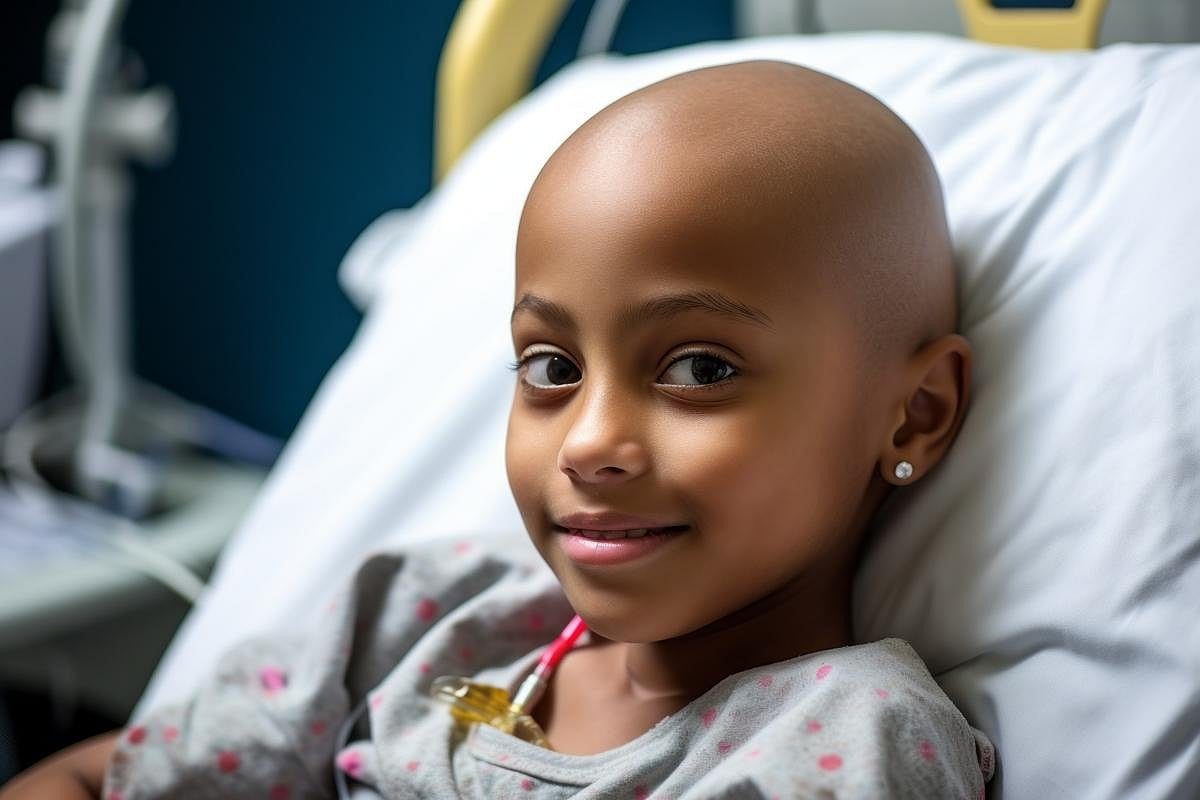 Blinatumomab Improves Event-Free Survival in Children With High-Risk B-Cell ALL




