


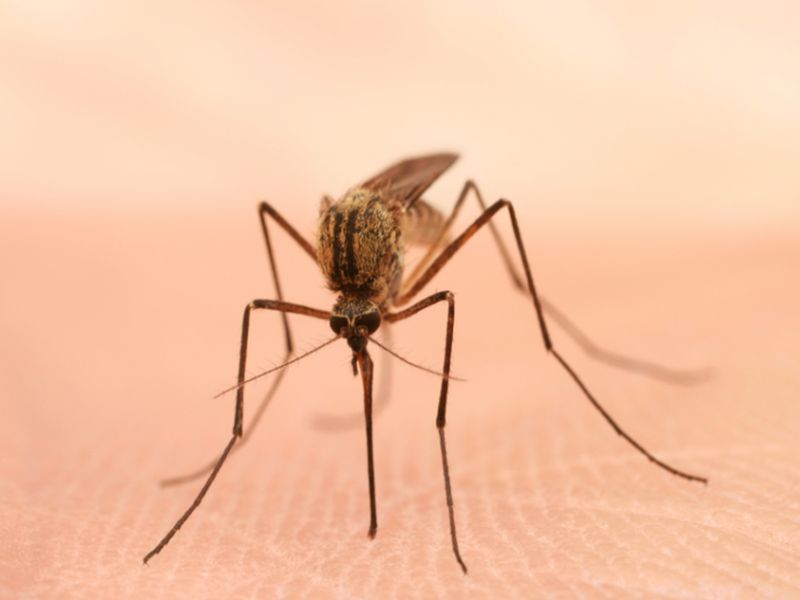
 State health officials note that Zika hasn’t been transmitted locally
TUESDAY, Aug. 14, 2018 (HealthDay News) — Multiple reports of Zika virus and West Nile virus are being investigated by Alabama health officials.
People can get Zika virus from mosquito bites, sex, and blood transfusions, and a pregnant woman can pass it to her baby, according to the U.S. Centers for Disease Control and Prevention.
West Nile is spread by mosquitoes. Most people who are infected have mild or no symptoms and fully recover, but about one in five develop a fever and may also have headaches, body aches, vomiting, diarrhea, or a rash, and about one in 150 develop serious illness such as inflammation of the spinal cord or brain, the CDC says.
“To date in Alabama, the Zika virus has only been identified in individuals known to have traveled to areas where Zika is known to be endemic. There has been no local transmission,” the state’s health agency said in a news release issued yesterday. “Infection with the Zika virus causes only mild symptoms in the majority of the cases, but the biggest risk is to pregnant women. Zika is now known to cause birth defects and other poor pregnancy-related outcomes if infection occurs during pregnancy.”
Alabama Public Health
More Information – Zika
More Information – West Nile
 CDC: 1,955 Arboviral Disease Cases Reported in 48 States, D.C. in 2024
  Risk Factors ID"d for Poor Outcomes After West Nile Virus Infection
  2,770 Cases of Arboviral Disease Reported in 48 States and D.C. in 2023
  1,173 Cases of Domestic Arboviral Disease Reported in 2019 in United States
  Few Staff Receive Formal Training on CLABSI Surveillance for Home Infusion
  7.7 Million Deaths Associated With 33 Bacterial Pathogens in 2019
  U.S. Deaths From Infective Endocarditis Increasing in the Young
  Antiseptics Work Equally Well in Preventing Infection After Surgery for Open Fractures


.jpg)

