Adding MBI to digital breast tomosynthesis provided incremental cancer detection rates of 6.7 and 3.5 percent at year 1 and year 2, respectively
THURSDAY, Sept. 25, 2025 (HealthDay News) — For women with dense breasts, the addition of molecular breast imaging (MBI) as a supplement to digital breast tomosynthesis (DBT) increases overall and invasive cancer detection, according to a study published online Sept. 23 in Radiology.
Carrie B. Hruska, Ph.D., from Mayo Clinic in Rochester, Minnesota, and colleagues examined the performance of MBI as a supplement to DBT in 2,978 women with dense breasts in a prospective, multicenter trial. Participants underwent two annual screening rounds of DBT and MBI to assess the incremental cancer detection rate (CDR; cancers per 1,000 screenings) of supplemental MBI.
The researchers found that the CDR was 5.0 and 11.8 percent with DBT and DBT plus prevalence screening MBI, respectively (incremental CDR, 6.7 percent), at year 1; the corresponding invasive CDR was 3.0 and 7.7 percent, respectively (invasive incremental CDR, 4.7 percent). At year 2, the CDR was 5.8 and 9.3 percent with DBT and DBT plus incidence screening MBI, respectively (incremental CDR, 3.5 percent), and invasive CDR was 1.5 and 3.9 percent with DBT and DBT plus incidence screening MBI, respectively (invasive incremental CDR, 2.3 percent). The one-year recall rate was 8.6 and 17.9 percent with DBT and DBT plus prevalence screening MBI, respectively; at two years, the recall rates were 8.9 and 13.8 percent with DBT and DBT plus incidence screening MBI, respectively. Overall, 29 individuals had cancer detected only with MBI: 72 percent had invasive cancers, 90 percent had node-negative cancers, and 20 percent had advanced cancers.
“DBT doesn”t find all cancers, and women need to understand its limitations and consider how supplemental screening can fill the gap,” Hruska said in a statement.
Several authors disclosed ties to CMR Naviscan.
 PET/MRI Offers Diagnostic, Prognostic Value in Pediatric Epilepsy
 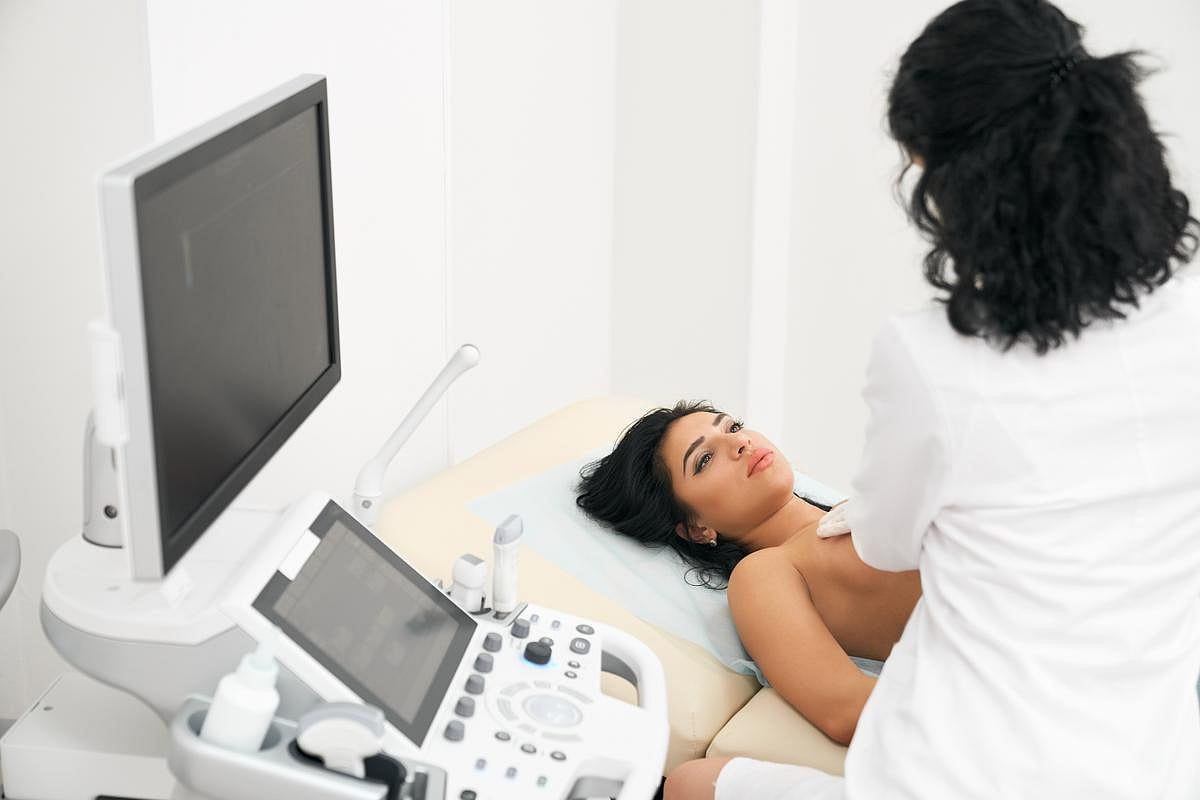 Dense Breast Notification Linked to Increase in Use of Supplemental Ultrasound
 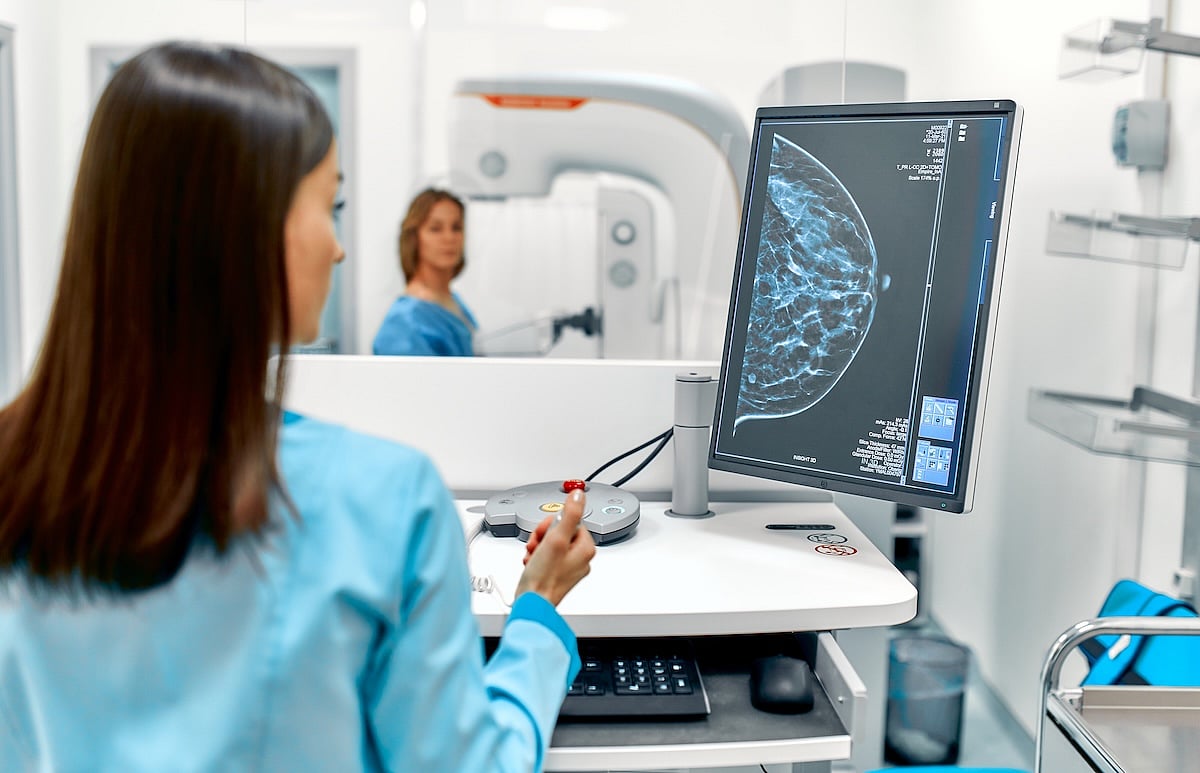 Mammography Trials Yield Excess-Incidence Patterns Consistent With Low Overdiagnosis
  Retinal Imaging Can ID Atrial Fibrillation Years Before Diagnosis
  U.S. Adults May Not Understand Their Risk for Vascular Disease
  NOACs Linked to Slower Cognitive Decline in Patients With A-Fib, Alzheimer Disease
  Machine Learning Model IDs Heart Failure With Reduced Ejection Fraction Using Routine Lab Indicators
  Addition of CAC to PREVENT-ASCVD Equations May Improve Predictive Utility in Certain Patients