


Greatest relative increases in AILD-related hospitalizations, liver transplants seen in younger individuals, especially women
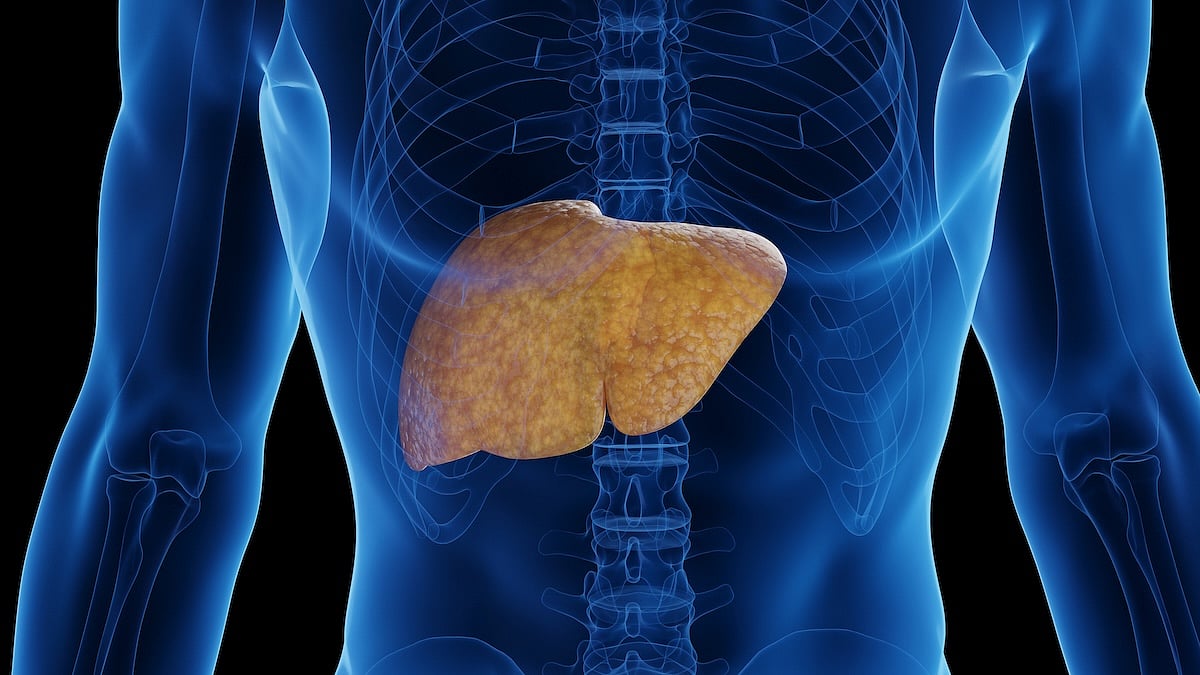
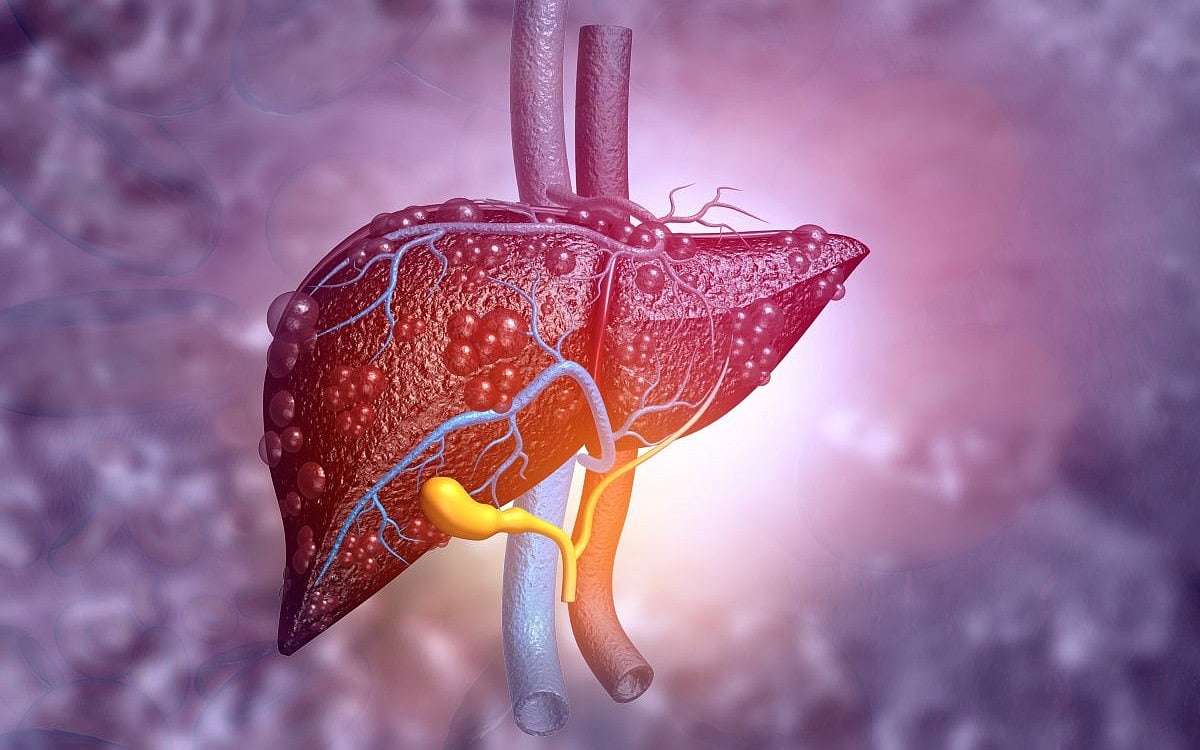
THURSDAY, Nov. 21, 2024 (HealthDay News) — From 2005 to 2021, alcohol-induced liver disease (AILD)-related hospitalizations and liver transplants (LTs) increased among women and men and in younger and older adults, according to a research letter published online Nov. 14 in the Journal of the American Medical Association.
Vrishketan Sethi, M.D., from the University of Pittsburgh Medical Center, and colleagues examined trends in hospitalizations and LTs associated with AILD in the United States from 2005 to 2021. The patient population was stratified into younger and older groups (younger than 40 years and 40 years and older), excluding those younger than 20 years.
The researchers found that per 100,000 individuals, the rates of AILD-related hospitalizations increased from 63.47 to 129.24 in women, from 186.84 to 301.72 in men, from 33.89 to 102.27 among younger patients, and from 177.93 to 273.48 among older patients, respectively, from 2005 to 2021. The greatest relative increases and mean annual percentage change (MAPC) were seen among younger women and younger men (relative increases, 283.21 and 169.07 percent, respectively; MAPCs, 8.93 and 6.34, respectively). Per 1 million people, the rates of AILD-related LT increased from 1.88 to 8.39, from 10.36 to 20.09, from 0.70 to 7.27, and from 9.23 to 17.78 among women, men, younger adults, and older adults, respectively, from 2005 to 2021. The highest relative increases and MAPCs occurred among younger women and younger men (relative increases, 2,283.96 and 683.54 percent, respectively; MAPCs, 19.71 and 14.84, respectively).
“These findings highlight an important need to elucidate the biopsychosocial factors driving alcohol use and formulate preventive strategies targeted to younger individuals, especially females,” the authors write.
One author disclosed ties to the pharmaceutical industry.
Abstract/Full Text (subscription or payment may be required)
 Steatotic Liver Disease Risk Scores Compared for Predicting Cirrhosis
  Prevalence of Any, Heavy Alcohol Use Has Decreased Since 2022
  Cirrhosis Can Recur After Liver Transplant
  Increase Seen in Rates of Xenobiotic-Induced Liver Injury From 2020 to 2024
  Impact of Alcohol Intake on Fibrosis Risk Varies by Sex, Liver Disease
  Link Between Liver Fibrosis in MASLD, ASCVD Varies by Glycemic Status
  Higher Coffee Consumption Linked to Favorable Indicators of Liver Health
  Stepped Alcohol Treatment Via Telehealth Reduces Alcohol Use


.jpg)

