


 Proven infections, antibiotic treatments in past three months tied to increased development of CDI
MONDAY, Aug. 13, 2018 (HealthDay News) — For solid organ transplant (SOT) recipients, Clostridium difficile infection (CDI) is associated with increased graft loss, according to a study published in the July issue of the American Journal of Transplantation.
Alexia Cusini, M.D., from the University of Bern in Switzerland, and colleagues examined the incidence, risk factors, and outcome of CDI within the Swiss Transplant Cohort Study (STCS). A case-control study of SOT recipients in the STCS diagnosed with CDI was performed. Two control subjects were matched to each case by age at transplantation, sex, and transplanted organ. Data were included for 2,158 SOT recipients (1,261 kidney, 454 liver, 224 lung, 164 heart, and 55 kidney-pancreas), including 87 CDI cases and 174 matched controls.
The researchers found that the overall rate of CDI was 0.47 per 10,000 patient days, with the highest rate found in lung recipients (1.48 per 10,000 patient-days). Proven infections and antibiotic treatments during the preceding three months were independently associated with CDI development, in multivariable analysis (hazard ratios, 2.82 and 4.51, respectively). Recipients acquiring CDI post-transplantation had an elevated risk of graft loss, despite mild clinical presentations (hazard ratio, 2.24).
“These data support the importance of restrictive antibiotic use in the prevention of CDI and underscores the need for close surveillance of graft function in SOT recipients developing CDI,” the authors write. “Further studies are needed to assess the impact of CDI on allograft function.”
The study was partially funded by Astellas.
Abstract/Full Text (subscription or payment may be required)
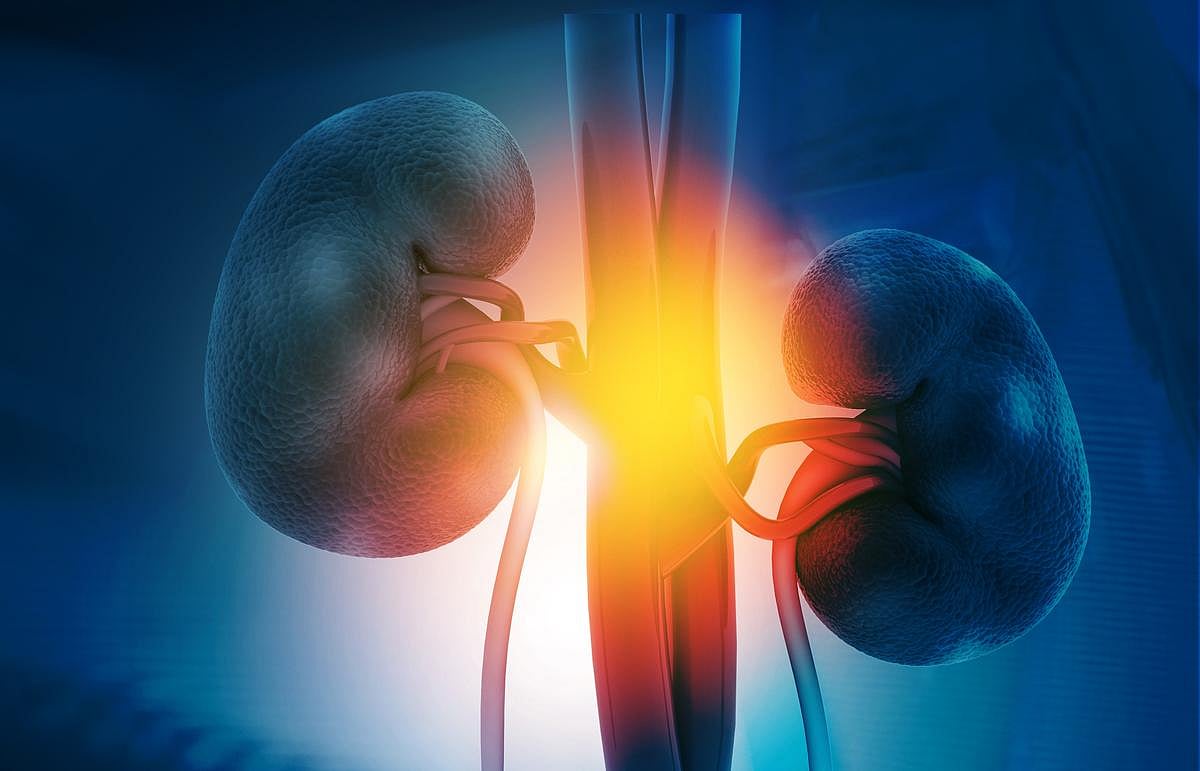 Early Complications Common in Older Kidney Transplant Recipients
 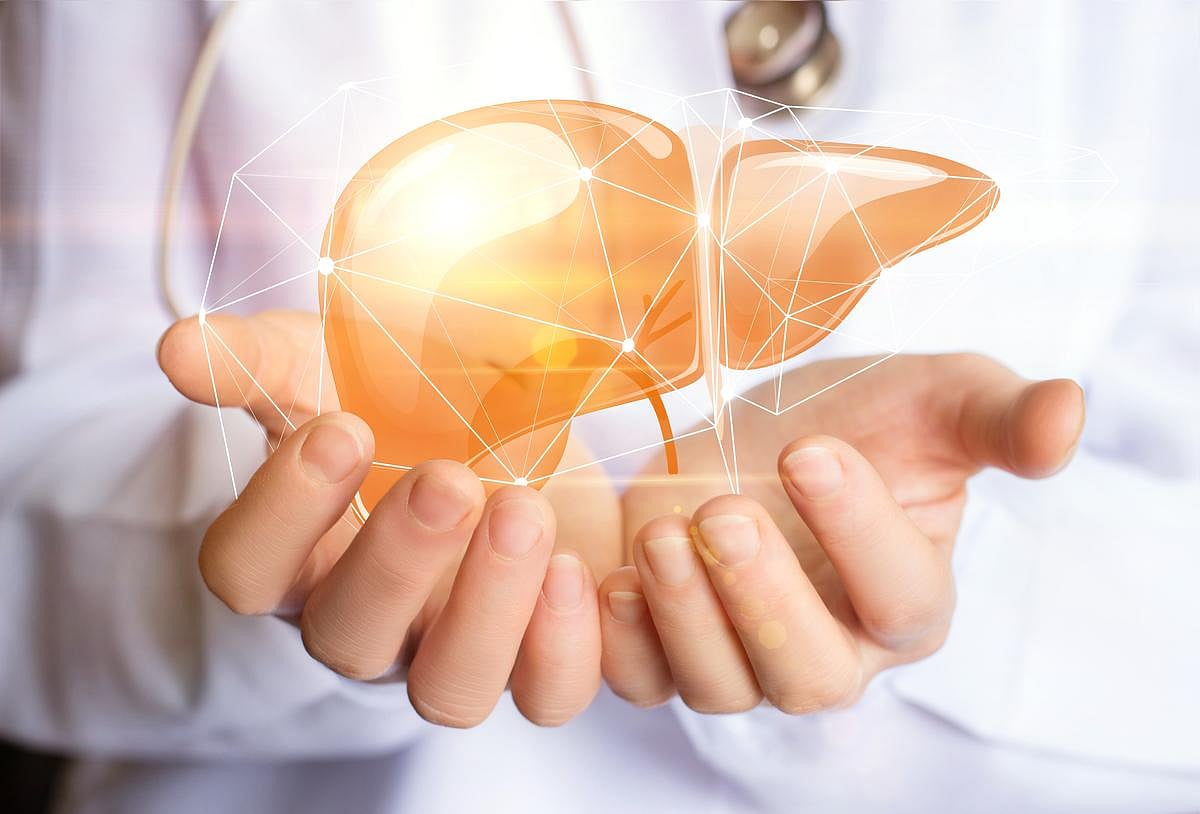 Cirrhosis Can Recur After Liver Transplant
  Distinct Skin Microbiome Features Emerge Before Atopic Disease Onset in Infants
 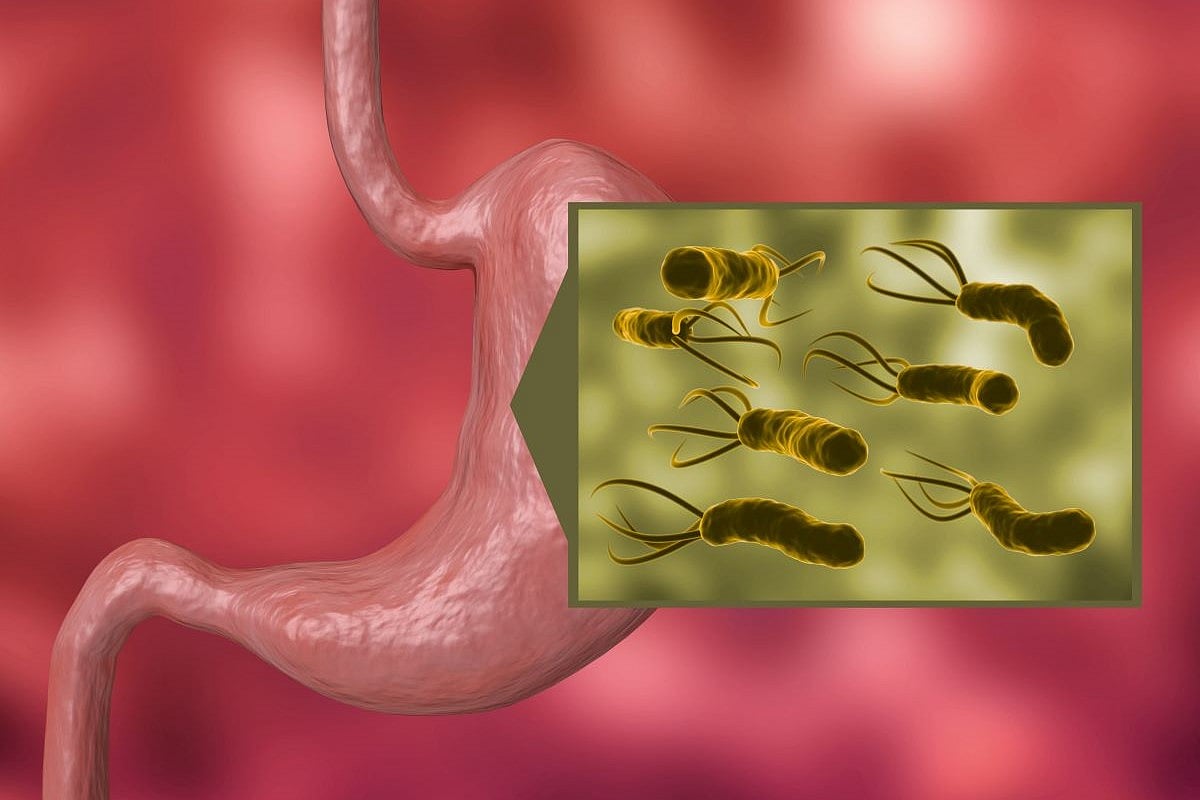 H. Pylori Exposure May Contribute to Global Burden of Colorectal Cancer
  Surveillance Colonoscopy at Five Years After Adenoma Removal Noninferior to Three Years
 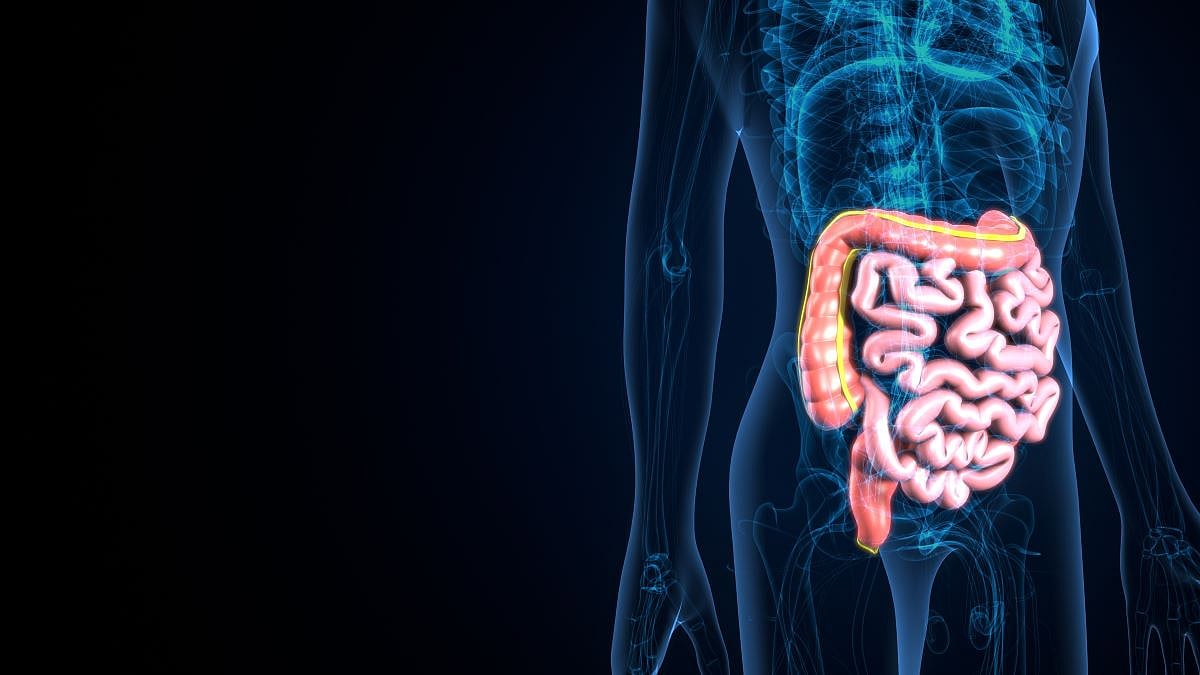 Family History of CRC Increases CRC Risk Similarly in IBD, General Population
  Freshwater Swimming Tied to Stomach Bugs, Skin Conditions
  Couples" Coping Skills Help Reduce Depression in GI Cancer Survivors
 .jpg)




