Findings more pronounced in children with higher mean HbA1c
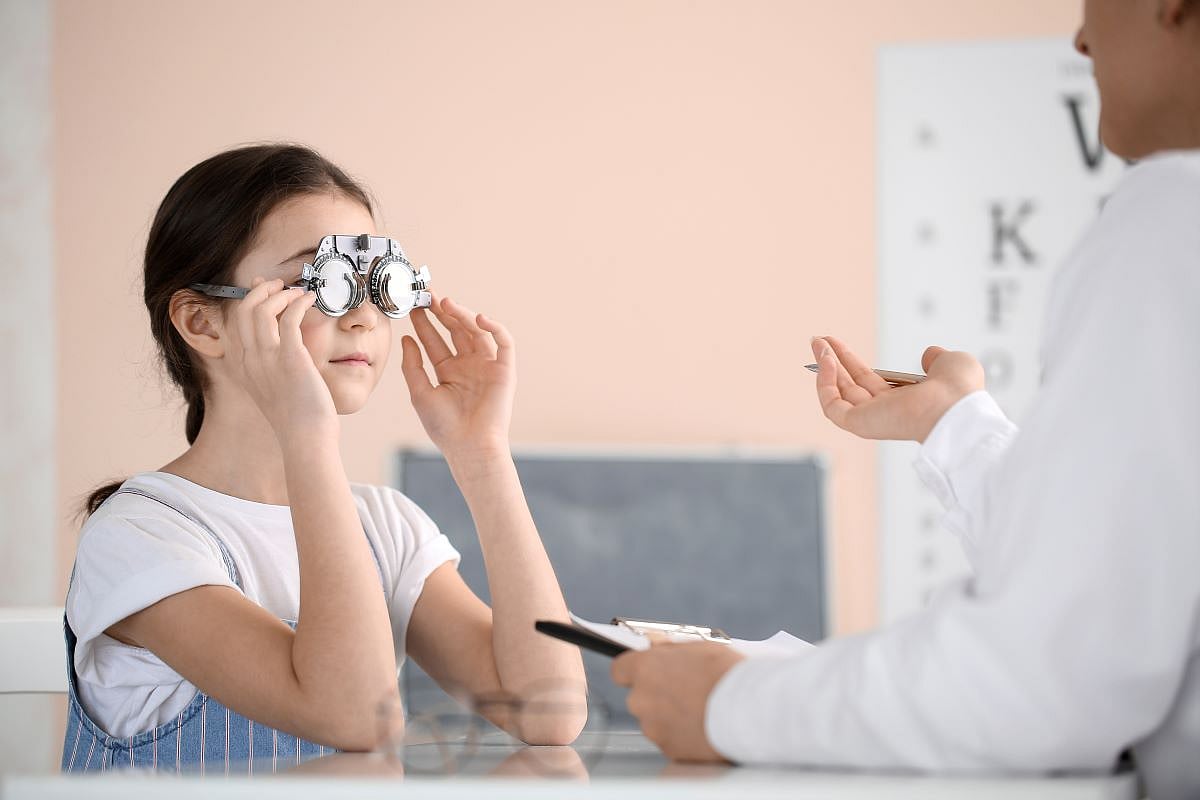
THURSDAY, Aug. 8, 2019 (HealthDay News) — Children with type 1 diabetes have worse education and health outcomes than their peers, according to a study published online July 15 in Diabetes Care.
Michael Fleming, from University of Glasgow in the United Kingdom, and colleagues linked nine Scotland-wide databases (diabetes register, dispensed prescriptions, maternity records, hospital admissions, death certificates, annual pupil census, school absences/exclusions, school examinations, and unemployment) to identify 766,047 singleton children born in Scotland who attended Scottish schools between 2009 and 2013. Health and education outcomes were compared for children receiving insulin versus their peers.
The researchers found that the 3,330 children (0.47 percent) treated for type 1 diabetes were more likely to be admitted to the hospital (adjusted hazard ratio [aHR], 3.97), die (aHR, 3.84), be absent from school (adjusted incidence rate ratio [aIRR], 1.34), and have learning difficulties (adjusted odds ratio [aOR], 1.19). There was an association seen between higher mean glycated hemoglobin (HbA1c) among children with type 1 diabetes and greater absenteeism (aIRR, 1.75), increased school exclusion (aIRR, 2.82), poorer attainment (aOR, 3.52), and higher risk of unemployment (aOR, 2.01), particularly for children with HbA1c in the highest quintile.
“Interventions are required to minimize school absence and ensure that it does not affect educational attainment,” the authors write.
Abstract/Full Text (subscription or payment may be required)
 Childhood-Onset Epilepsy Tied to Lower Rate of Educational Attainment
  Non-U.S.-Born Physicians Make Up Nearly Half of Internal Medicine Workforce
  Patient Education Increases Skin Cancer Screening in Stem Cell Transplant Survivors
  Limited Health Literacy Common in Middle-Aged Primary Care Patients
  ~20 Percent of Households Have Child Needing Mental Health Treatment
  Teens Reporting Academic Pressure Face Greater Depression Later in Life
  Patient Education Can Reduce Preference for Antibiotics for Asymptomatic Bacteriuria
  School Reopenings During Pandemic Linked to Decrease in Mental Health Diagnoses