
Receipt of educational leaflet also reduces misperception of asymptomatic bacteriuria as urinary tract infection
TUESDAY, Dec. 23, 2025 (HealthDay News) — Receipt of a patient-centered educational leaflet decreases the desire to take antibiotics for asymptomatic bacteriuria (ASB), according to a study published in the December issue of Open Forum Infectious Diseases.
Alistair Thorpe, from the Spencer Fox Eccles School of Medicine at the University of Utah in Salt Lake City, and colleagues tested whether a patient-focused educational leaflet improved reported willingness to avoid antibiotics when not clinically necessary. Analysis included 504 U.S. adults ≥65 years reading a scenario of an asymptomatic patient with a positive urine test prior to a nonurologic surgical procedure. Participants were randomly assigned to one of four conditions varying by leaflet receipt and surgeons” treatment recommendation for antibiotics.
The researchers found that after reading the vignette, respondents shown the leaflet were more comfortable not taking antibiotics, were less likely to misperceive ASB as a urinary tract infection (UTI), and displayed greater knowledge. When told the surgeon recommends antibiotics, respondents were less comfortable not taking antibiotics and more likely to misperceive ASB as a UTI.
“These findings offer important preliminary evidence on the potential for patient-centered education to prepare patients and their caregivers to engage in ASB-related treatment decisions,” the authors write.
 Socioeconomic Status Linked to Mortality After Acute Hip Fracture Surgery
  U.S. Adults May Not Understand Their Risk for Vascular Disease
  Distinct Skin Microbiome Features Emerge Before Atopic Disease Onset in Infants
 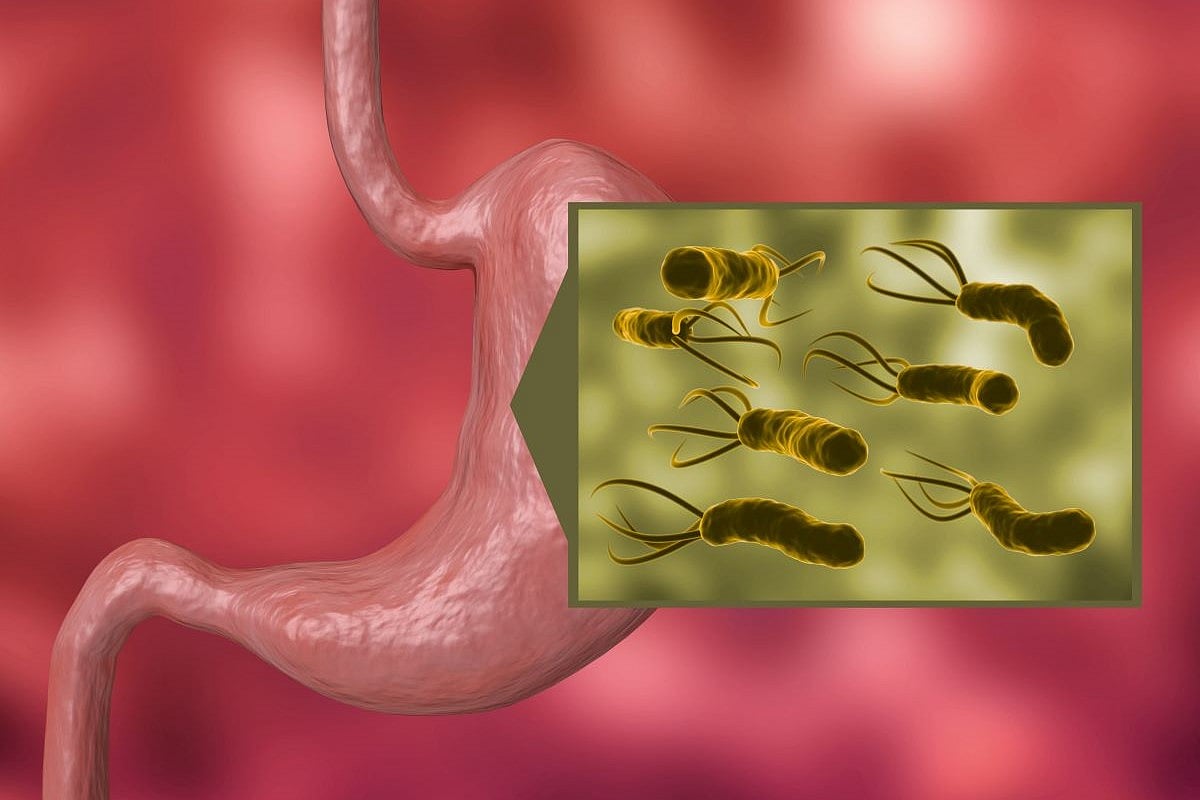 H. Pylori Exposure May Contribute to Global Burden of Colorectal Cancer
  Family History of CRC Increases CRC Risk Similarly in IBD, General Population
  Freshwater Swimming Tied to Stomach Bugs, Skin Conditions
  Couples" Coping Skills Help Reduce Depression in GI Cancer Survivors
  Organized, Biennial FIT-Based Screening Linked to Lower Colorectal Cancer Mortality