


Findings seen for restricting salt, caffeine, and alcohol intake
FRIDAY, Nov. 1, 2024 (HealthDay News) — Dietary restrictions do not aid treatment of Meniere disease, according to a study published online Sept. 15 in Frontiers in Nutrition.
Wei Gao, from The Fourth Military Medical University in Xi”an, China, and colleagues conducted a bidirectional two-sample Mendelian randomization analysis to evaluate the relationship between dietary modifications and Meniere disease.
The researchers found that using the inverse-variance weighted approach showed no significant corrections with Meniere disease for salt added to food (odds ratio [OR], 0.719; 95 percent confidence interval [CI], 0.429 to 1.206; P = 0.211), alcohol consumption (OR, 0.834; 95 percent CI, 0.427 to 1.628; P = 0.595), or coffee consumption (OR, 0.852; 95 percent CI, 0.555 to 1.306; P = 0.461). There was no evidence of a significant effect found in a reverse analysis for Meniere disease for salt added to food (OR, 1.000; 95 percent CI, 0.993 to 1.007; P = 0.957), alcohol consumption (OR, 0.998; 95 percent CI, 0.987 to 1.008; P = 0.682), or coffee consumption (OR, 0.998; 95 percent CI, 0.985 to 1.011; P = 0.72).
“This Mendelian randomization analysis did not identify convincing evidence to support the idea that restricting salt, caffeine, and alcohol intake is beneficial for the treatment of Meniere disease,” the authors write.
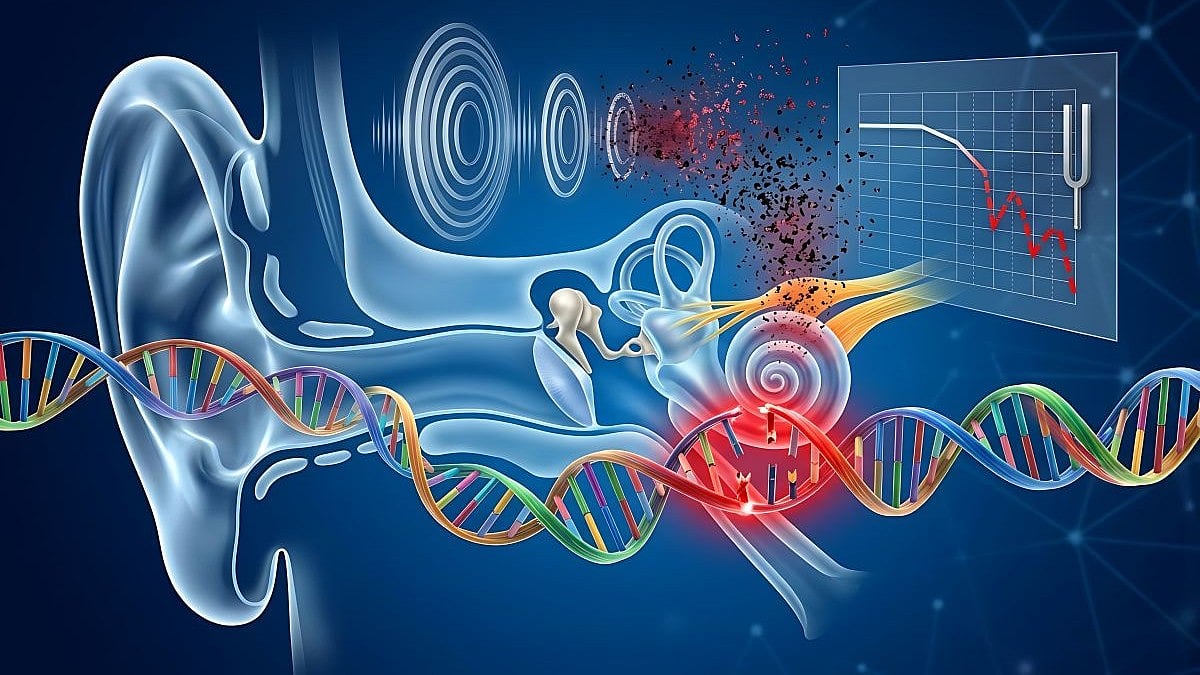 Genome-Wide Significant Loci Identified for Meniere Disease Risk
  Age, Hearing Status Linked to Long-Term Outcomes in Meniere Disease
  Contralateral Endolymphatic Hydrops ID"d in One in Four Patients With Unilateral Meniere Disease
  PET/MRI Offers Diagnostic, Prognostic Value in Pediatric Epilepsy
  Cortical Atrophy in Early-Onset Alzheimer Disease Signature Can Predict Progression to Dementia
  Real-World ARIA Incidence With Lecanemab Aligns With Clinical Trial Findings
  Shorter Disease Duration Seen With Eustachian Tube Dysfunction in Meniere Disease


.jpg)

