


Association seen between HDL cholesterol and greater grey matter volume in midlife independent of traditional risk factors
TUESDAY, Jan. 7, 2025 (HealthDay News) — High-density lipoprotein (HDL) cholesterol may help conserve healthy brain matter in middle-aged adults, according to a study published online Oct. 18 in the Journal of Clinical Medicine.
John M. Giacona, Ph.D., from University of Texas Southwestern Medical Center in Dallas, and colleagues examined associations between HDL measures and brain structure and function. The analysis included data from 1,826 adult participants (47 percent Black; mean age, 51.0 years) in the Dallas Heart Study.
The researchers found that higher HDL cholesterol efflux capacity and small HDL particle (HDL-P) concentration were positively associated with higher whole-brain grey matter volume normalized to total cranial volume (GMV/TCV) when adjusting for traditional risk factors such as age, smoking status, time spent in daily physical activity, and education level (β = 0.078 and 0.063, respectively). There were no associations between HDL measures and white matter hyperintensities or Montreal Cognitive Assessment scores. These associations between HDL cholesterol efflux capacity and small HDL-P with GMV/TCV were not modified by apolipoprotein E-ε4 status or race/ethnicity.
“Having higher GMV in midlife may aid in preventing cognitive decline associated with brain atrophy as part of normal aging in late life,” the authors write. “Additional studies are needed to explore the potential neuroprotective functions of HDL.”
 Eating More Whole Grains Daily Linked to Cardiometabolic Benefits
  Considerable Gaps Identified in LDL Cholesterol Control
 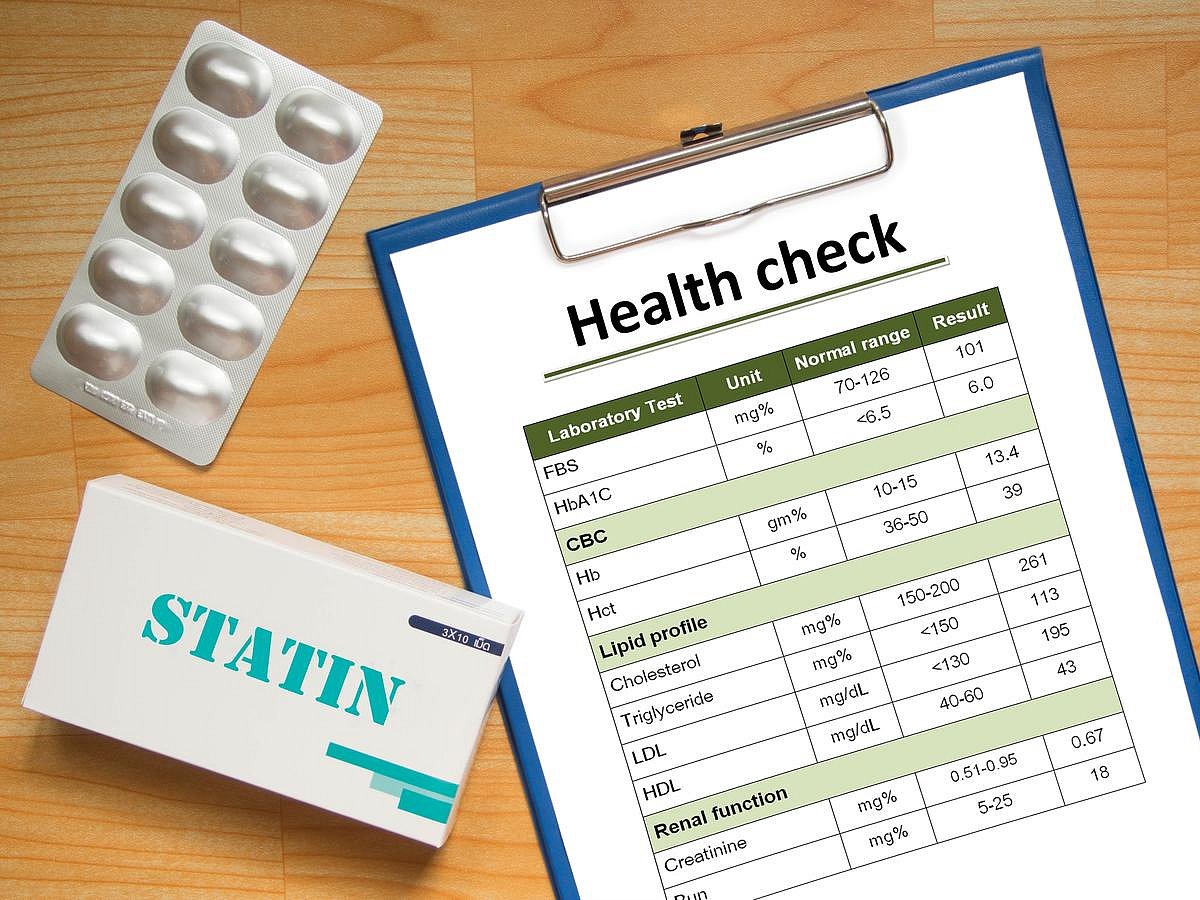 Machine Learning LDL-C Equation Comparable to Original Martin-Hopkins
  Cardiovascular Risk Factors Linked to Increased Plaque Burden
  Low Hydroxychloroquine Intake, Blood Levels Linked to ASCVD Risk in Lupus
  Add-On Tirzepatide May Reduce MACE Risk in People With T2D, ASCVD
  Link Between Liver Fibrosis in MASLD, ASCVD Varies by Glycemic Status
  87.5 Million U.S. Adults Now Eligible for Statins Under New Guidelines
 .jpg)




