Illness severity, comorbidities, and prior exposure to antibiotics associated with hospital-onset antimicrobial resistant infections
MONDAY, May 5, 2025 (HealthDay News) — Hospital-onset antimicrobial-resistant infections increased across U.S. hospitals during and beyond the COVID-19 pandemic, according to a study published online April 29 in the Annals of Internal Medicine.
Christina Yek, M.D., Ph.D., from the National Institutes of Health Clinical Center in Bethesda, Maryland, and colleagues examined the incidence of antimicrobial-resistant infections in U.S. hospitals during and beyond the pandemic in a retrospective cohort study conducted in 243 U.S. hospitals.
The researchers found that antimicrobial-resistant infections increased from 182 to 193 per 10,000 hospitalizations during the peak of the COVID-19 pandemic (6.5 percent increase). There was a 31.5 percent increase in hospital-onset antimicrobial-resistant infections, from 28.9 to 38.0 per 10,000 hospitalizations. Illness severity (intensive care unit admission, mechanical ventilation, vasopressors, COVID-19 diagnosis), comorbidities (Elixhauser Comorbidity Index), and prior exposure to antibiotics were factors associated with hospital-onset antimicrobial resistance (AMR), but no association was seen for hospital factors. As the pandemic waned, the prevalence of AMR returned to prepandemic levels (182 per 10,000 hospitalizations); however, hospital-onset AMR remained above baseline (32.3 per 10,000 hospitalizations).
“Antibiotic exposure in the preceding three months had incremental and sizable population-level impact on AMR increases, reinforcing the scope of this modifiable factor in potentially mitigating the ongoing crisis,” the authors write.
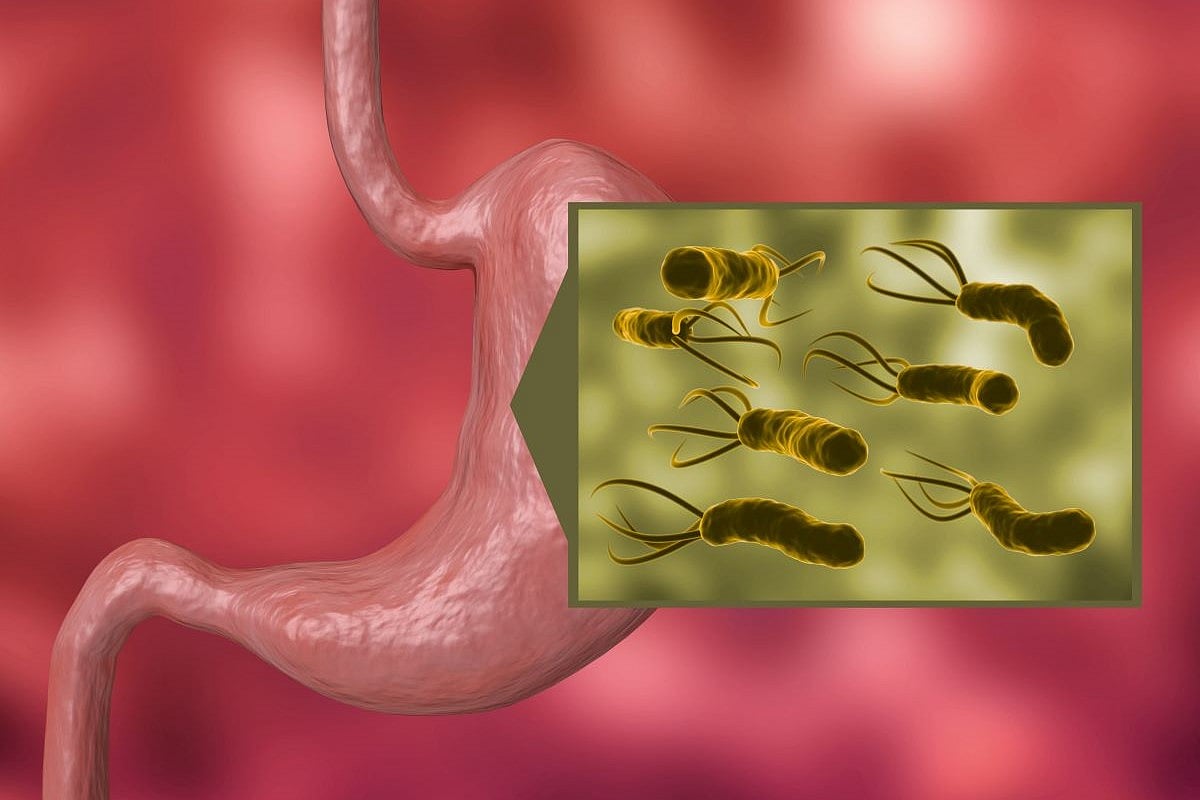 H. Pylori Exposure May Contribute to Global Burden of Colorectal Cancer
  Distinct Skin Microbiome Features Emerge Before Atopic Disease Onset in Infants
  About 1 in 20 Hospitalized U.S. Adults With Firearm Injuries Develop Bacterial Infections
  Freshwater Swimming Tied to Stomach Bugs, Skin Conditions
 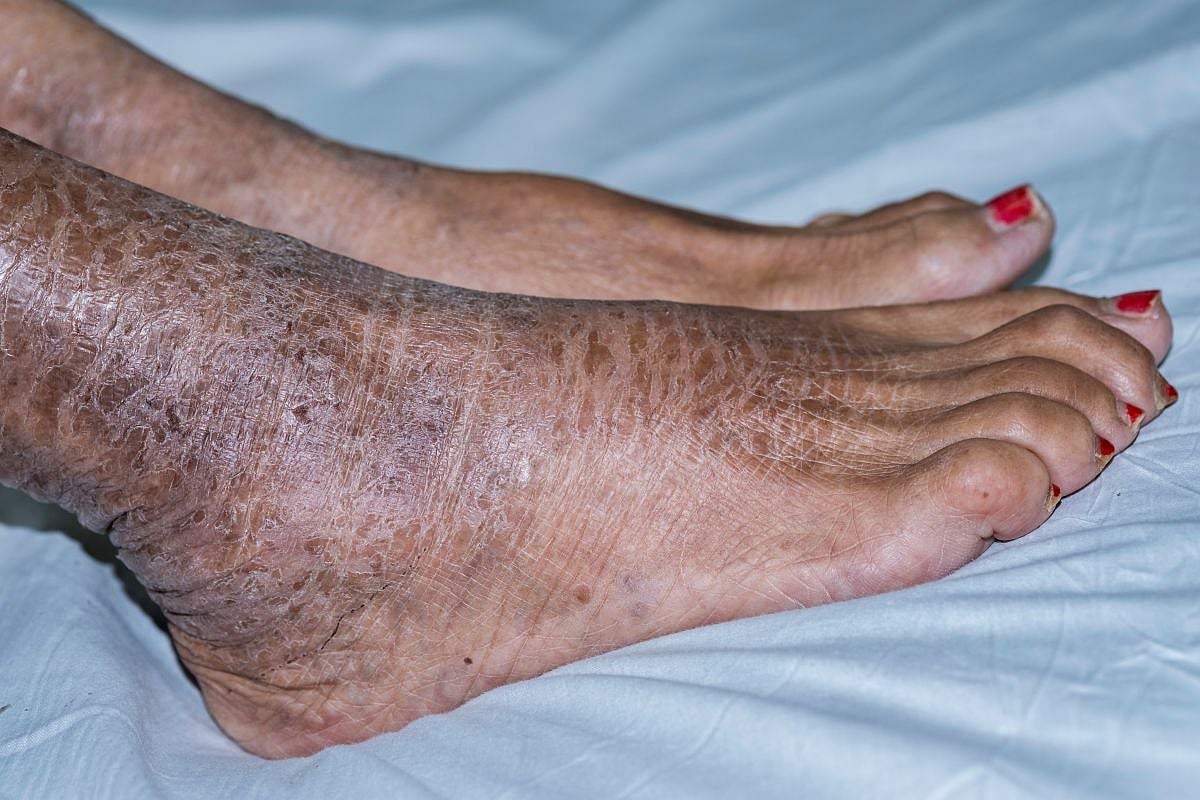 Congenital Ichthyosis Linked to Allergic Disorders
  Considerable Global Disparities Found in Access to Dermatological Care
  Extreme Heat Linked to 33 Clinically Reportable Diagnoses
  Early-Life PFAS Exposure Tied to Intestinal Inflammation in Childhood