


More recent cohorts also have lower levels of fasting triglycerides, but higher levels of fasting glucose
FRIDAY, Dec. 6, 2024 (HealthDay News) — More recent birth cohorts have lower levels of total cholesterol and fasting triglyceride levels, and higher levels of fasting glucose, according to a study published online Dec. 6 in JAMA Network Open.
Xiaoning Huang, Ph.D., from the Northwestern University Feinberg School of Medicine in Chicago, and colleagues quantified national trends in total cholesterol, fasting triglyceride, and fasting glucose levels among cohorts born between 1920 and 1999 to examine the association of these patterns with body mass index (BMI) using data from the National Health and Nutrition Examination Survey 1999-2000 to 2017-2020 cycles.
Data were included for 52,006 participants, weighted to represent 264,664,915 U.S. adults. The researchers found that the mean difference per one-decade younger birth cohort was −7.1, −13.1, and 2.7 mg/dL for total cholesterol level, fasting triglyceride level, and fasting glucose level, respectively, for the 50th percentile of measures. The associations between birth cohort and lipid levels were attenuated by BMI, while the association with fasting glucose levels was enhanced by BMI. However, of the associations between birth cohorts and cardiometabolic outcomes, up to 80 percent were not mediated through BMI.
“While the mean lipid profile in younger generations was improved compared with older generations, this improvement hinges on an ongoing push to continue to educate the public and health care professionals about modifying risk even at a young age,” the authors write.
One author disclosed ties to Omron Healthcare and Ciconia Medical.
 Eating More Whole Grains Daily Linked to Cardiometabolic Benefits
  Considerable Gaps Identified in LDL Cholesterol Control
 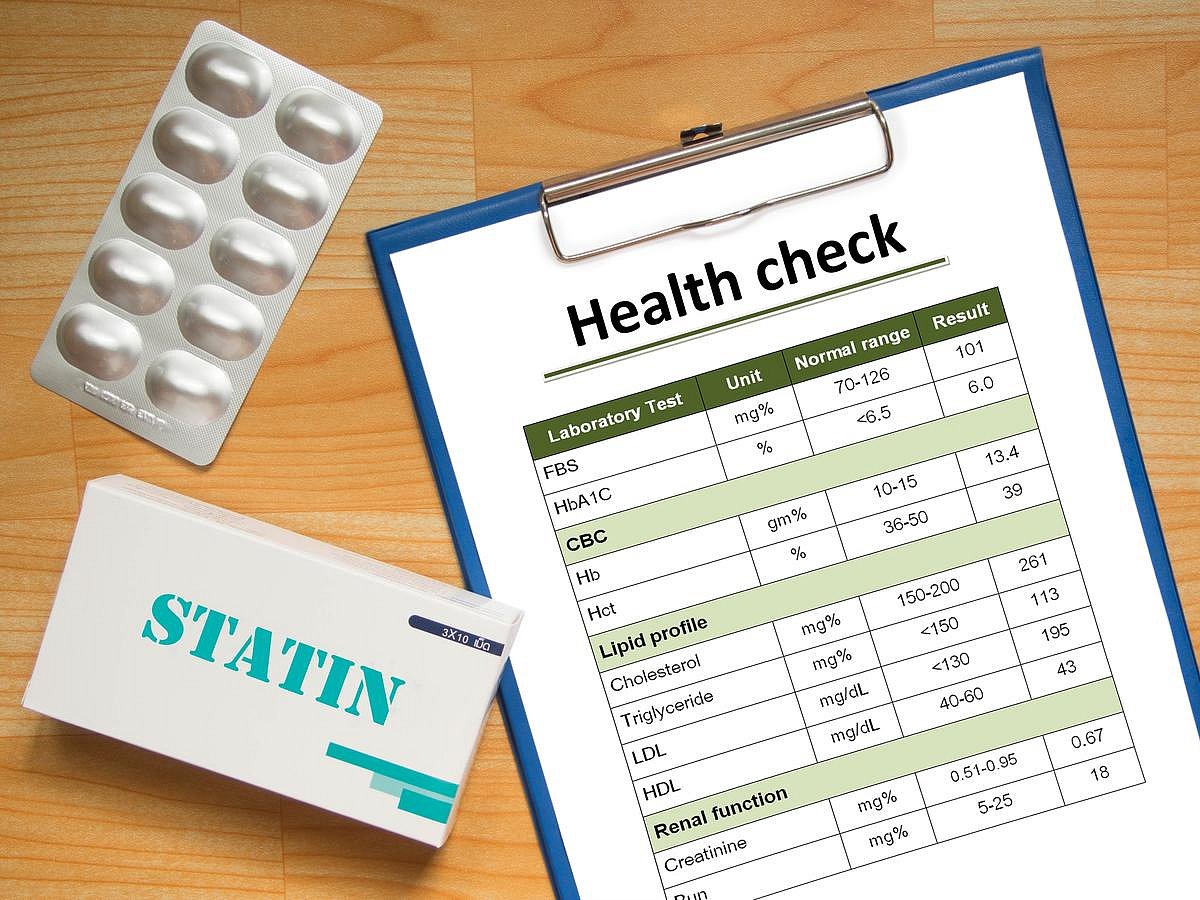 Machine Learning LDL-C Equation Comparable to Original Martin-Hopkins
  Cardiovascular Risk Factors Linked to Increased Plaque Burden
  Low Hydroxychloroquine Intake, Blood Levels Linked to ASCVD Risk in Lupus
  Add-On Tirzepatide May Reduce MACE Risk in People With T2D, ASCVD
  Link Between Liver Fibrosis in MASLD, ASCVD Varies by Glycemic Status
  87.5 Million U.S. Adults Now Eligible for Statins Under New Guidelines
 .jpg)




