


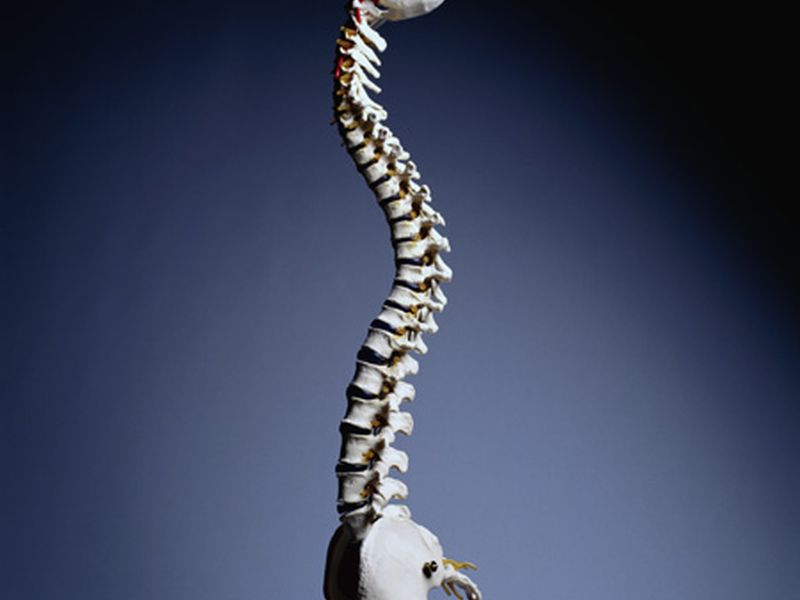
 Low-virulent microorganisms detected using sonication on extracted hardware
WEDNESDAY, June 12, 2019 (HealthDay News) — Low-virulent microorganisms frequently detected on pedicle screws may be an important cause of spinal implant loosening and failure in patients without signs of infection, according to a study recently published in the Journal of Neurosurgery: Spine.
Vincent Prinz, M.D., from Charité-Universittsmedizin Berlin, and colleagues used sonication to assess microbial colonization of extracted hardware from 82 patients (mean age, 65 years) undergoing revision surgery and removal of spinal implants. Consecutive patients between January 2015 and December 2017 were evaluated, including those with pedicle screw loosening but no clinical signs of infection.
The researchers found that 22 (40.7 percent) of the 54 patients with screw loosening had a positive sonication result, whereas none of the 28 patients without screw loosening had a positive sonication result. Among the 22 patients with positive sonication results, 24 microorganisms were detected. Coagulase-negative staphylococci (62.5 percent) and Cutibacterium acnes (formerly known as Propionibacterium acnes, 25 percent) were the most common isolated microorganisms. Duration of previous spine surgery was significantly longer among patients with a positive microbiological result (288 minutes) versus those with a negative result (201 minutes).
“Sonication is a highly sensitive approach to detect biofilm-producing bacteria, and it needs to be integrated into the clinical routine for optimized treatment strategies,” the authors write.
 Implant, Patient Survival Do Not Differ for Robotic and Conventional Total Joint Replacement
 Physical Therapist-Supervised Exercise Improves Outcomes After ACL Reconstruction
 Chronic Migraines More Common in Women With Enlarged Breast Tissue
 Early Complications Common in Older Kidney Transplant Recipients
 GLP-1 Receptor Agonists, SGLT-2is Slow Renal Function Decline in T2D With Albuminuria
.jpeg) 1997 to 2022 Saw Increase in Pediatric Hospitalizations With AKI
 Frailty Linked to Incident Cognitive Decline in Men With CKD
 PET/MRI Offers Diagnostic, Prognostic Value in Pediatric Epilepsy




.jpg)
