


Risks were significantly greater than when body mass index and body surface area were discordant
TUESDAY, May 27, 2025 (HealthDay News) — Combined body mass index (BMI)-body surface area (BSA) obesity is associated with an increased risk for post-kidney transplant (KT) adverse outcomes, according to a study published online May 21 in Transplantation Direct.
Roxaneh Zaminpeyma, from Dalhousie University in Halifax, Nova Scotia, Canada, and colleagues examined post-KT adverse outcomes associated with obesity, defined using combined BMI-BSA parameters, in a cohort of adult KT recipients across the United States.
A total of 242,432 patients were included in the final study: 32.0 and 28.6 percent had obesity based on BMI and BSA, respectively. The researchers found that the adjusted risk for death-censored graft loss, all-cause graft loss, and delayed graft function was greatest when both BMI and BSA indicated obesity compared with nonobese BMI and BSA (adjusted hazard ratios, 1.23, 1.09, and 1.58, respectively); the risk was significantly greater than when BMI and BSA were discordant.
“Patients with discordance between obesity-defined BMI and BSA are at significantly lower risk than those categorized as obese by both BMI and BSA metrics,” the authors write. “Combined BMI-BSA-defined obesity should be considered when defining obesity-related risk at the time of kidney transplantation.”
Several authors disclosed ties to the biopharmaceutical industry.
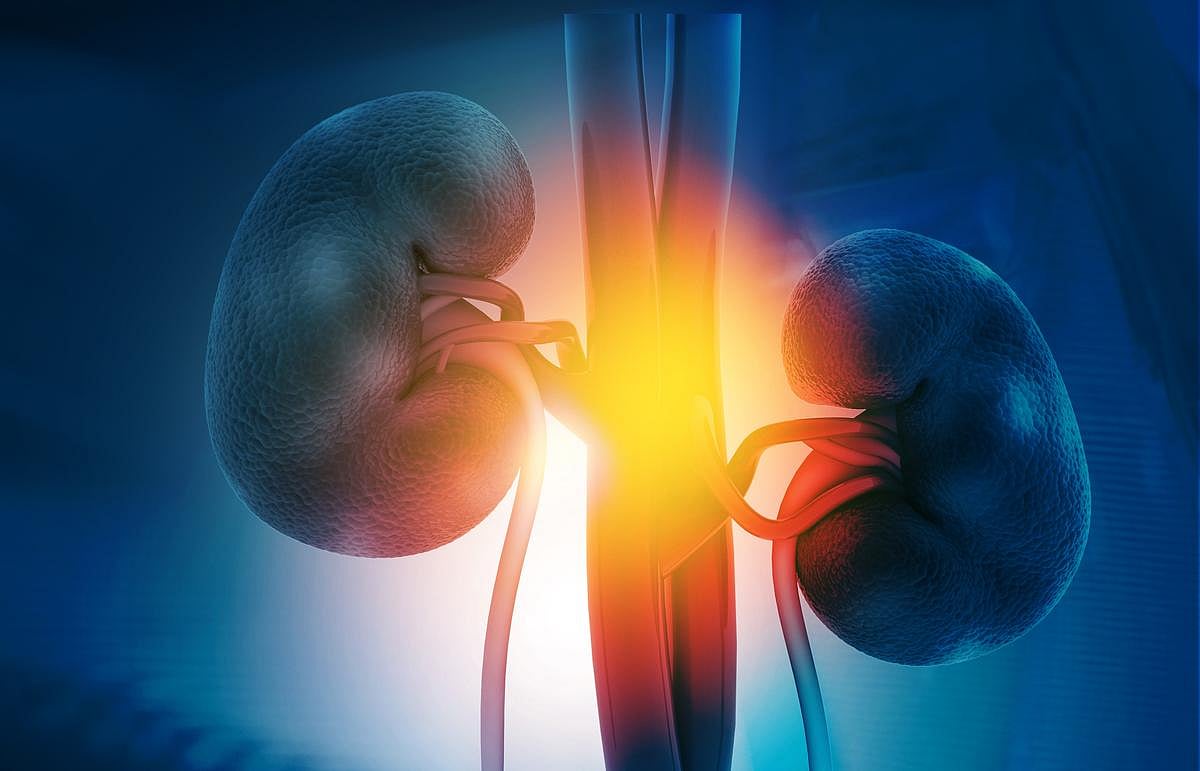 Early Complications Common in Older Kidney Transplant Recipients
  Cirrhosis Can Recur After Liver Transplant
  Very Low-Carb Diet Shows Greater Cardiometabolic Benefits Than Other Diets
 .jpg) Time-Restricted Eating May Help Patients With Type 1 Diabetes
Time-Restricted Eating May Help Patients With Type 1 Diabetes  Spinal Cord Stimulation Cuts Pain, Improves Sensation With Diabetic Nerve Damage
  GLP-1 Receptor Agonists Tied to Increased Risk for Alopecia
  Food-Based Support Aids Type 2 Diabetes Outcomes
  Hypoglossal Nerve Stimulation May Offer Long-Term Cardiovascular Benefits in OSA




.jpg)