More prominent increase in mortality risk seen for younger adults aged 20 to 39 years
FRIDAY, Nov. 15, 2024 (HealthDay News) — Adults with type 2 diabetes (T2D) have an increased risk for mortality in association with low income, with the most prominent increase seen for adults aged 20 to 39 years, according to a study published online Nov. 12 in JAMA Network Open.
Ji Yoon Kim, M.D., Ph.D., from the Korea University College of Medicine in Seoul, and colleagues estimated the overall and cause-specific mortality risks among patients with T2D according to income and age in a retrospective nationwide cohort study involving 604,975 adults aged 20 to 79 years diagnosed with T2D between Jan. 1, 2008, and Dec. 31, 2013, who were followed until Dec. 31, 2019, and 635,805 age- and sex-matched controls without diabetes.
The researchers found that among patients with T2D, the risk for mortality increased with lower income overall and compared with controls without diabetes. An inverse association was seen between income and mortality risk among younger individuals (adjusted hazard ratios for all-cause mortality in the low- versus high-income subgroups, 2.88, 1.90, and 1.26 for those aged 20 to 39 years, 40 to 59 years, and 60 to 79 years, respectively). The pattern of income-related disparities among younger individuals was also seen for cardiovascular mortality, but less so for cancer mortality.
“Individual income level was an independent risk factor for mortality in patients with T2D, and the income-related disparity in mortality was pronounced in young people,” the authors write.
 GLP-1 Receptor Agonists, SGLT-2is Slow Renal Function Decline in T2D With Albuminuria
  Socioeconomic Status Linked to Mortality After Acute Hip Fracture Surgery
  Study IDs Risk Factors for Ketoacidosis in Adults With T2D Receiving SGLT2 Inhibitors
 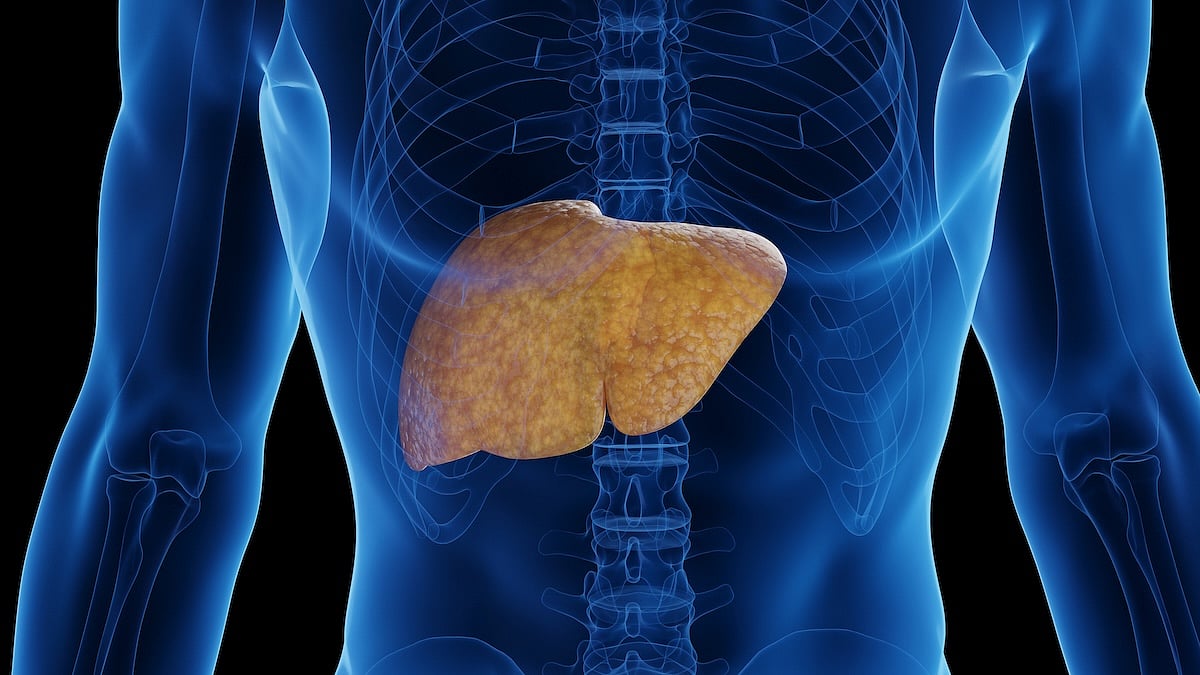 Genetics, Diabetes Tied to MASLD-Associated Cirrhosis Before Age 50
  Steatotic Liver Disease Risk Scores Compared for Predicting Cirrhosis
  Cirrhosis Can Recur After Liver Transplant
 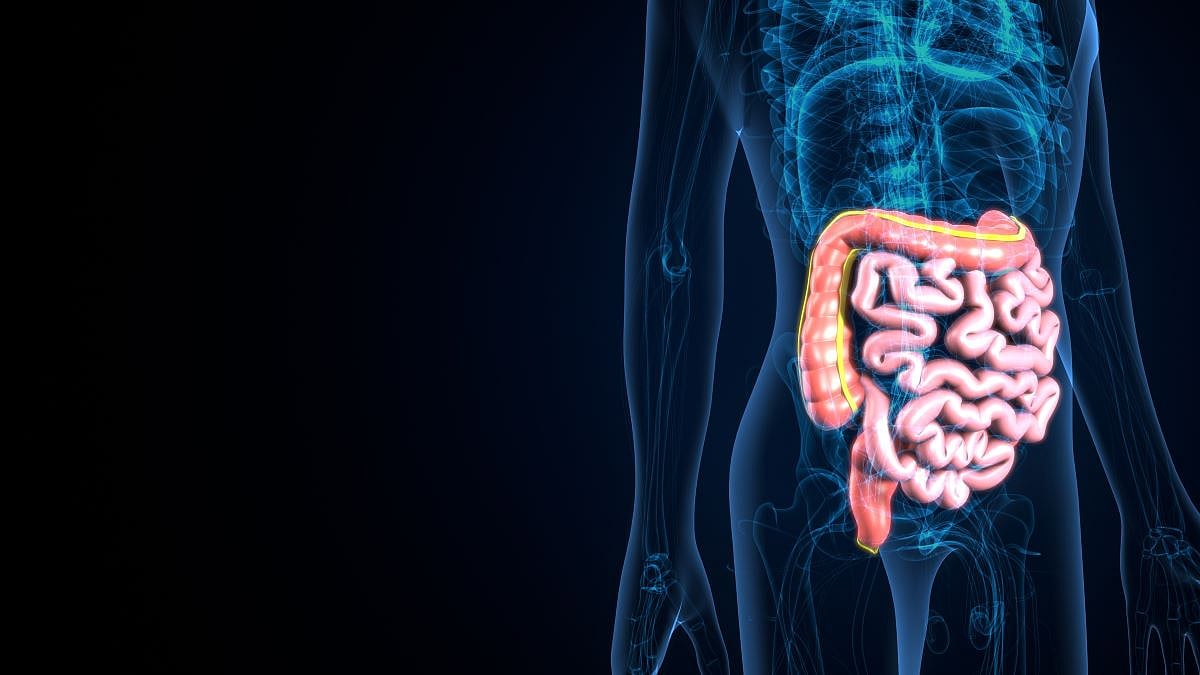 Family History of CRC Increases CRC Risk Similarly in IBD, General Population
 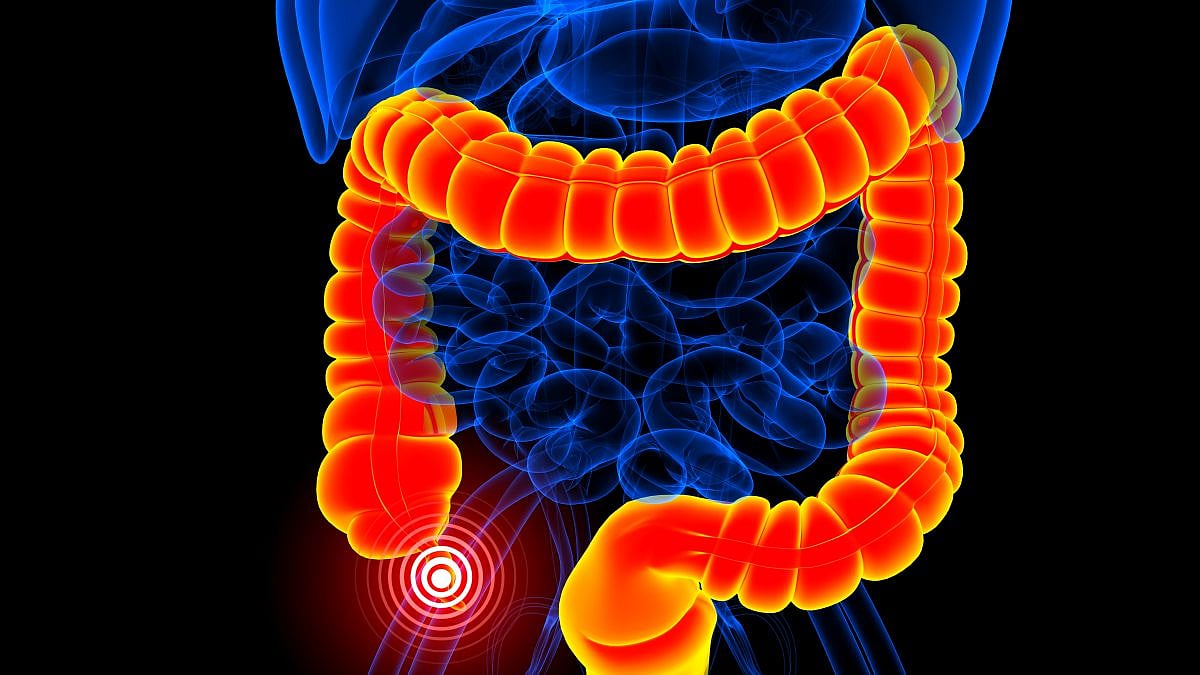 Relapse Rare After Appendiceal Adenocarcinoma Resection

.jpg)